Travel · · 4min read
Cycling past Unesco World Heritage in Wallonia
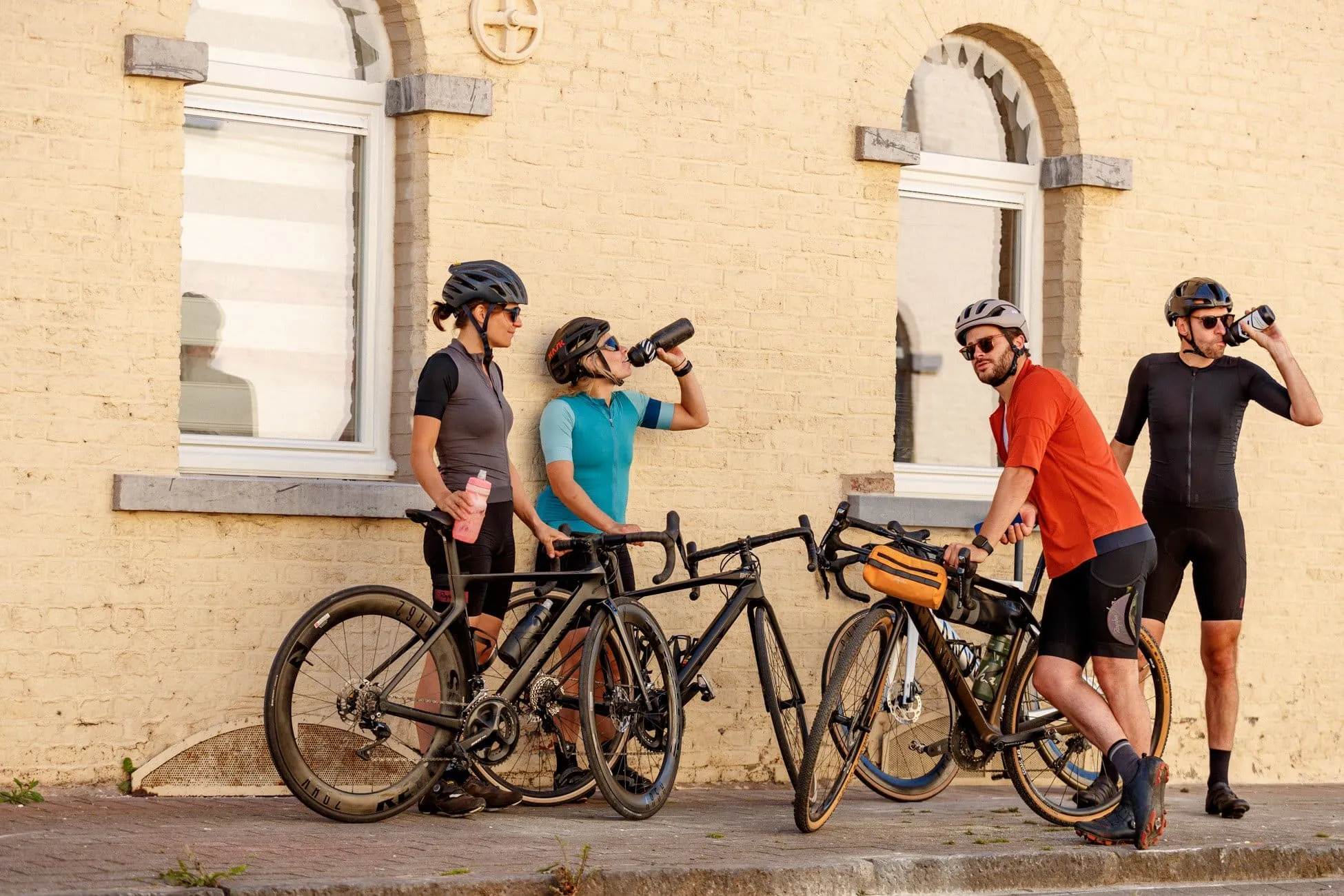
When you get to enjoy the landscape gliding slowly past as a cyclist, you’d better make sure the surroundings have something to offer. We take you past Unesco World Heritage in Wallonia. Get on our wheel and let yourself be carried through the rich history of some magnificent heritage.
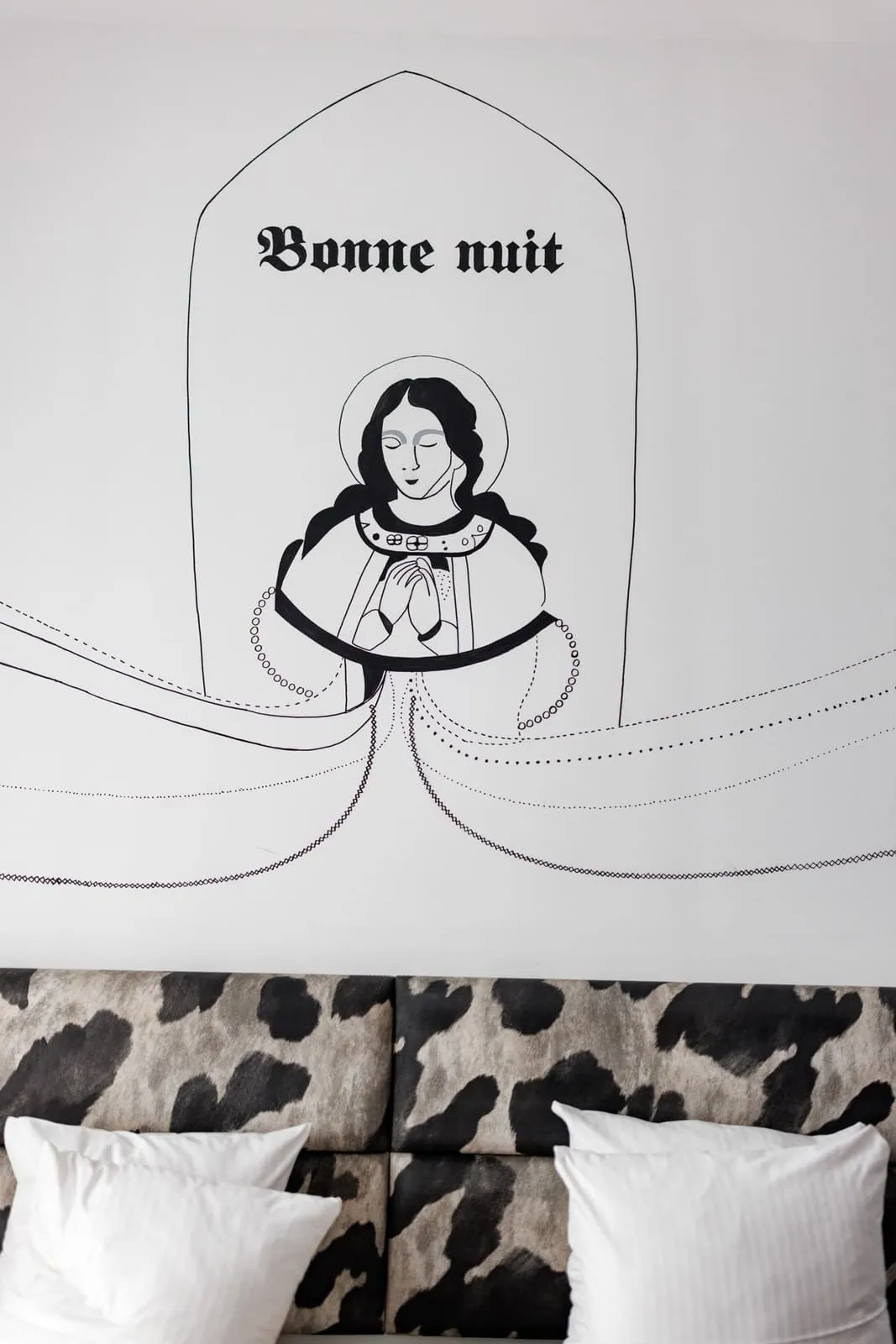
A night at Martin’s Dream Hotel
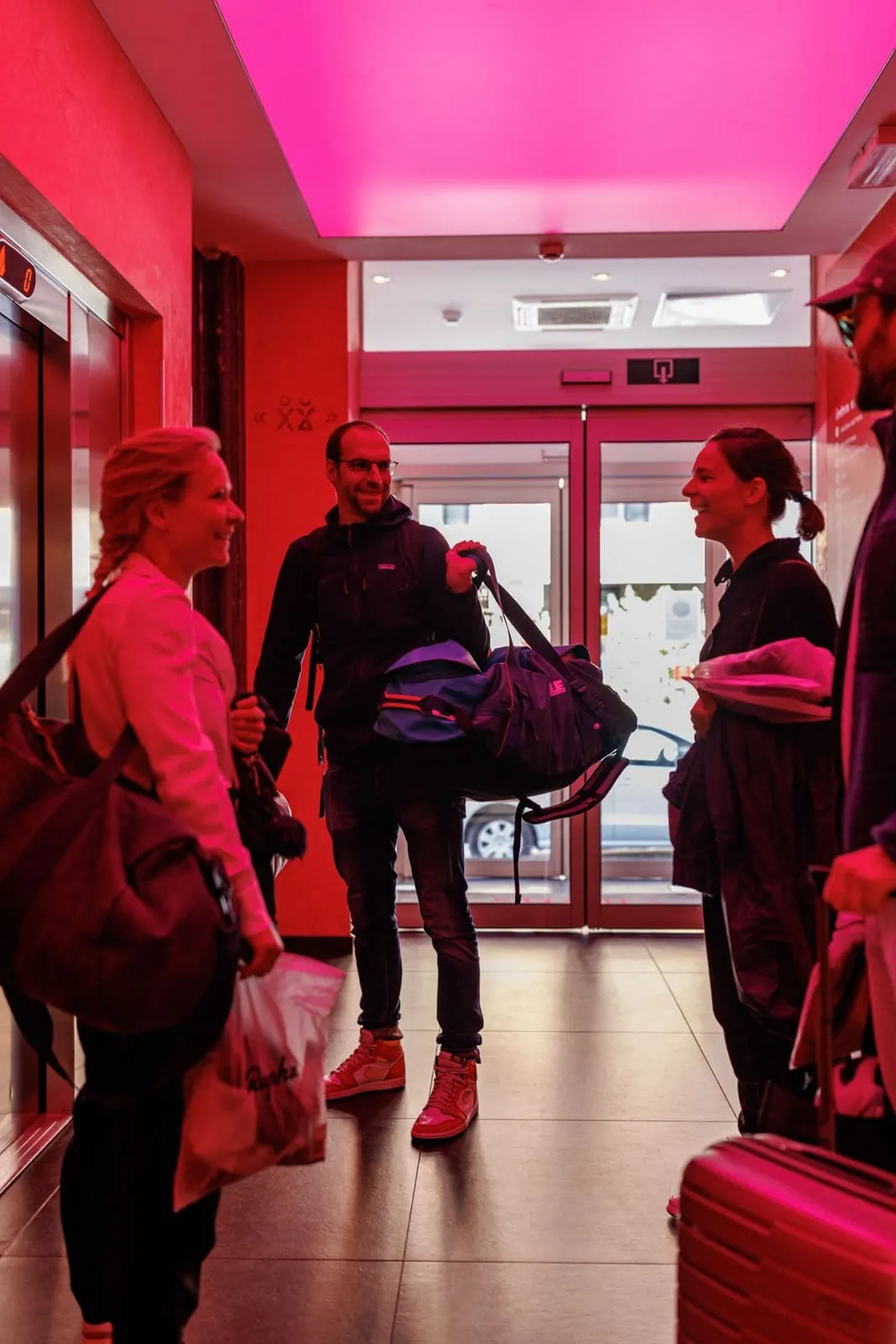
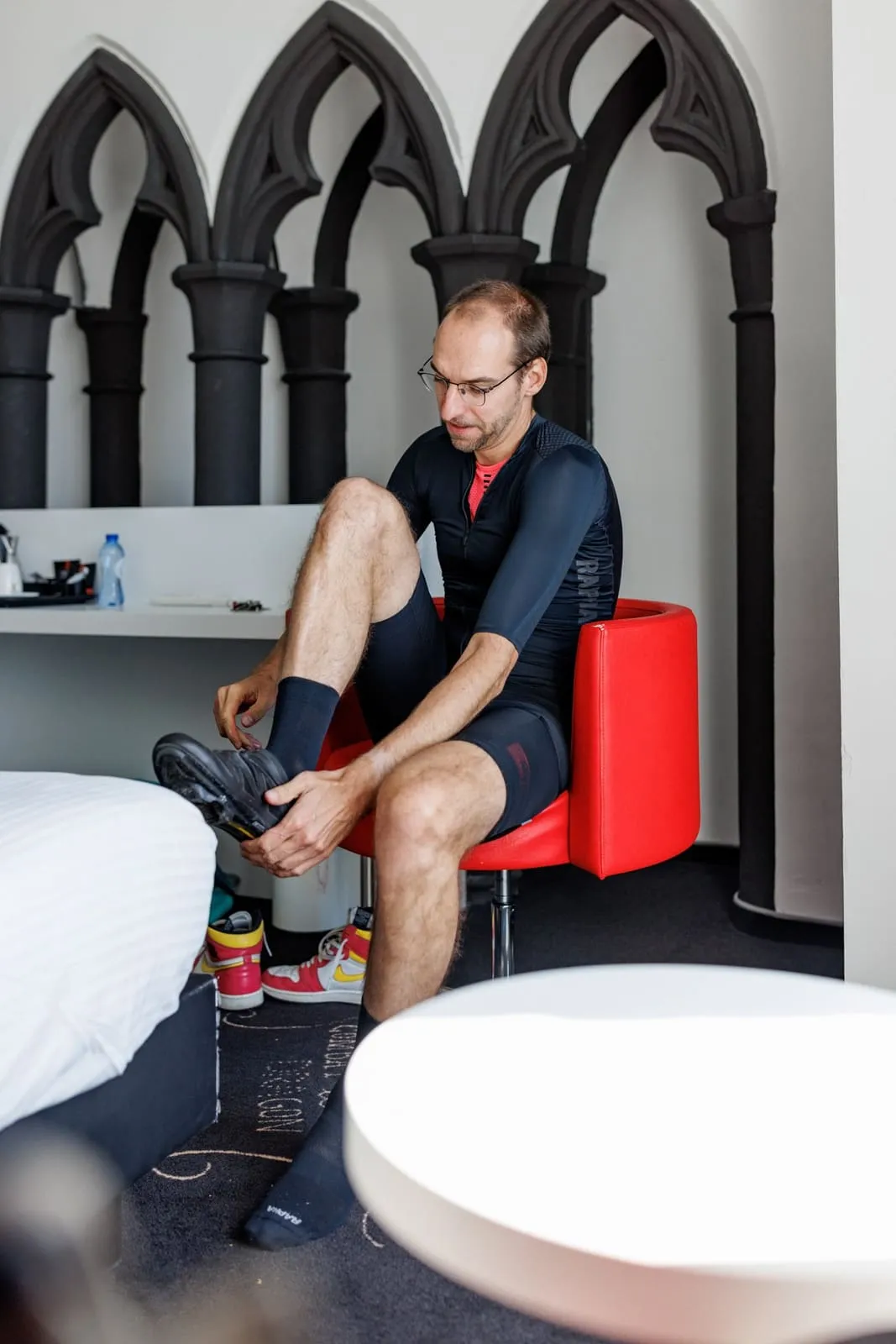
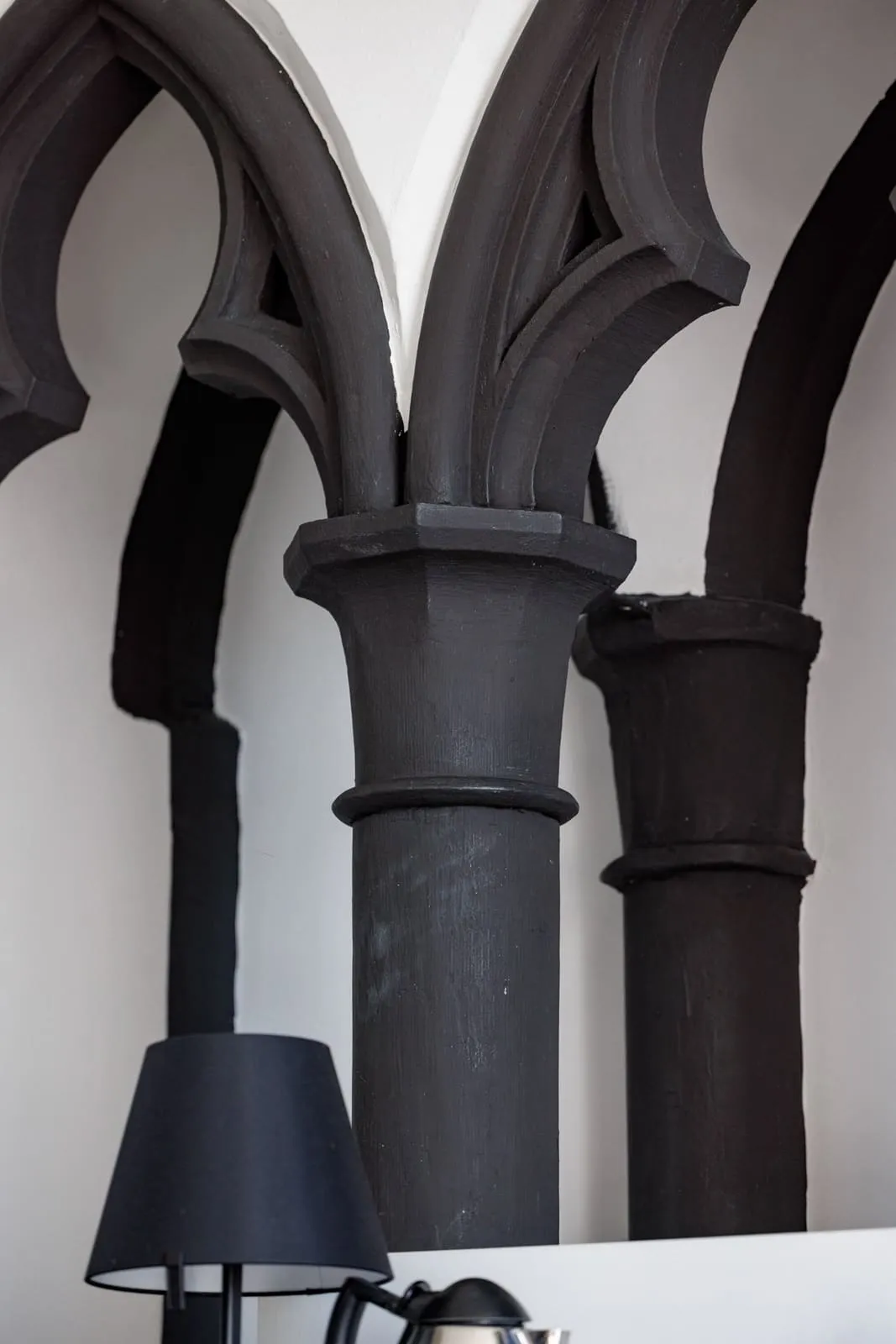
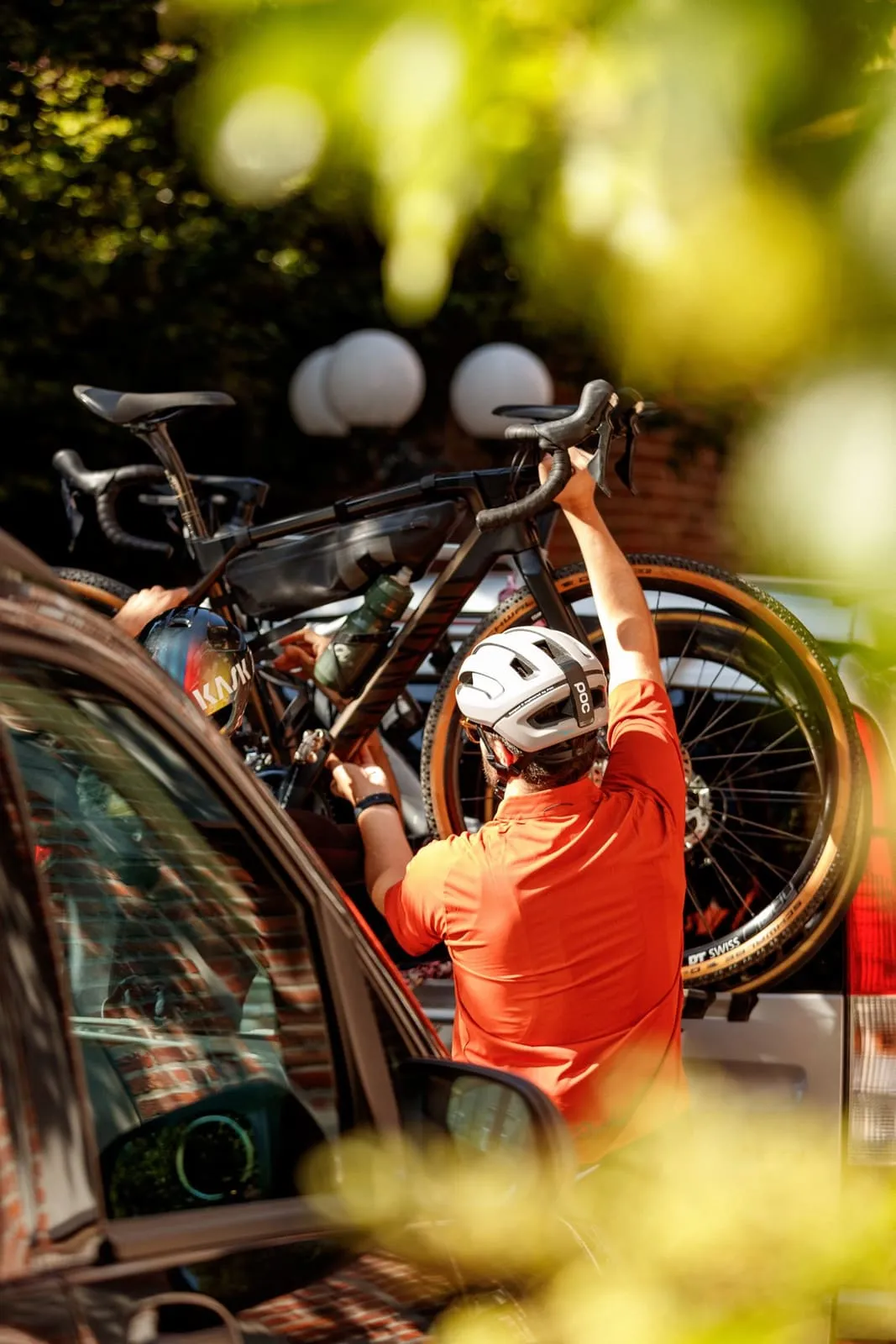
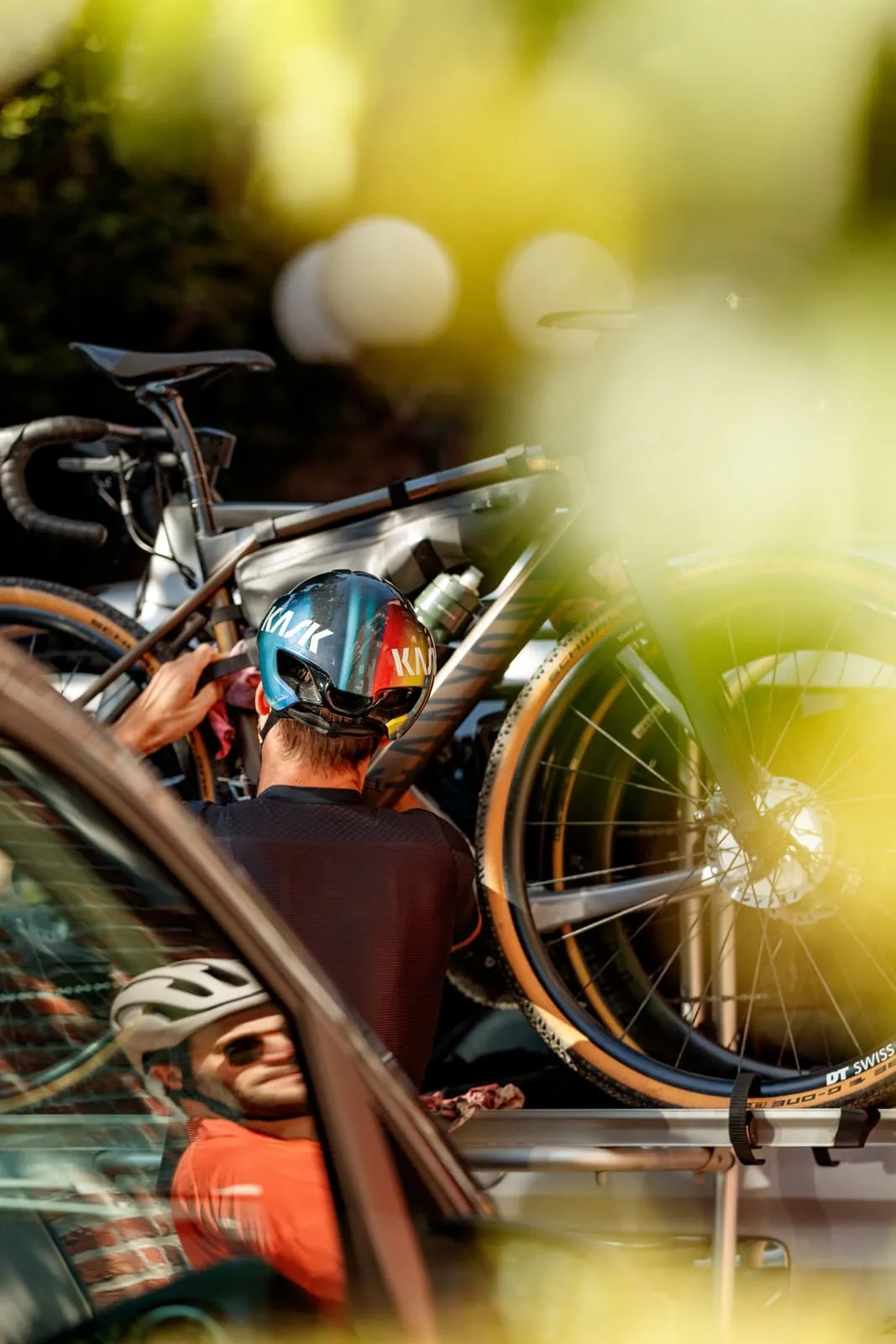
We spend the night somewhere with historic character: a church converted into a (dream) hotel. Right in the centre, wedged between other classic buildings, you can stay in full luxury with a lovely breakfast. We choose to have breakfast at MoMA Coffee Mons, though. The coffee hotspot in the centre where you can tuck into delicious bagels and cappuccinos.






Mons
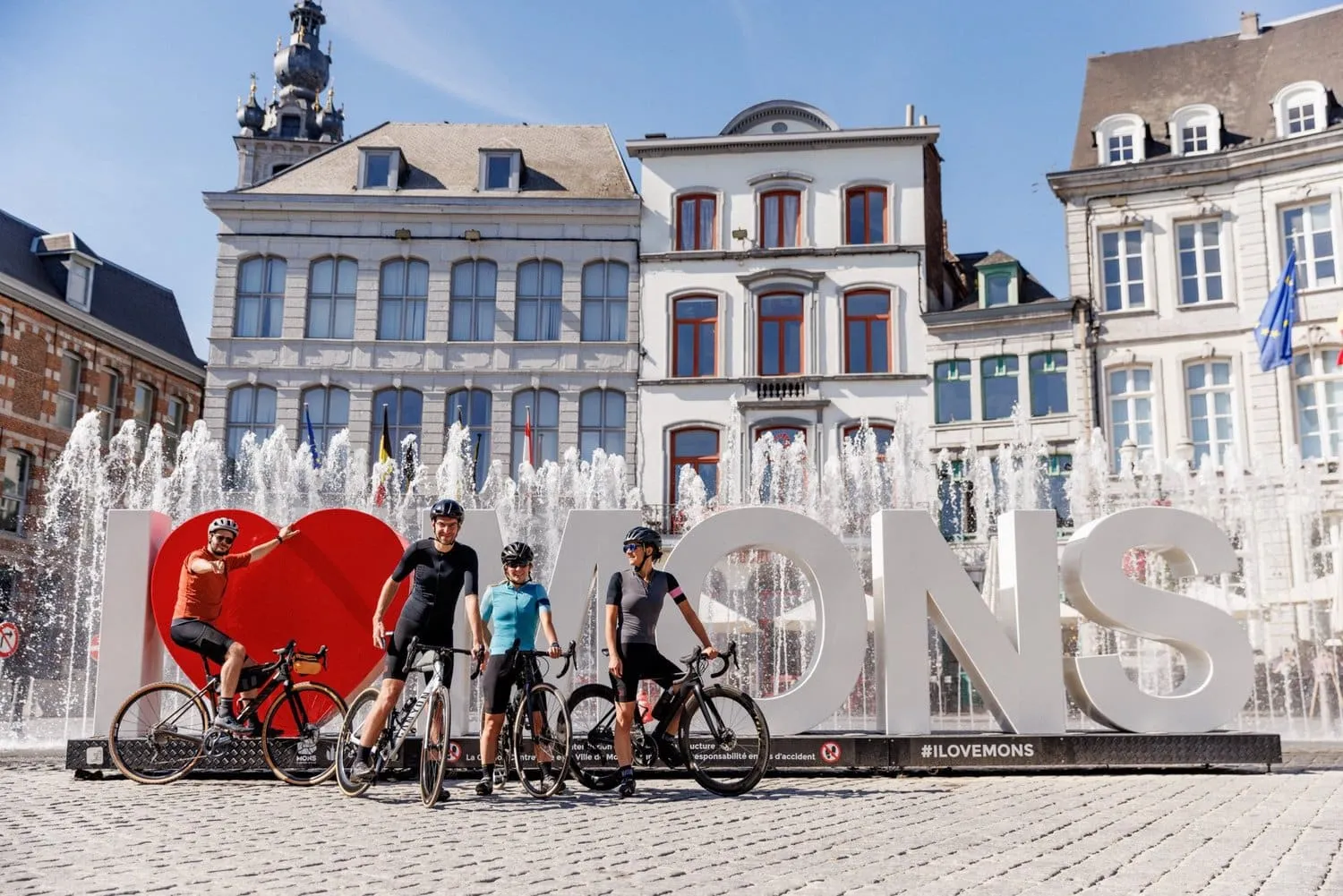
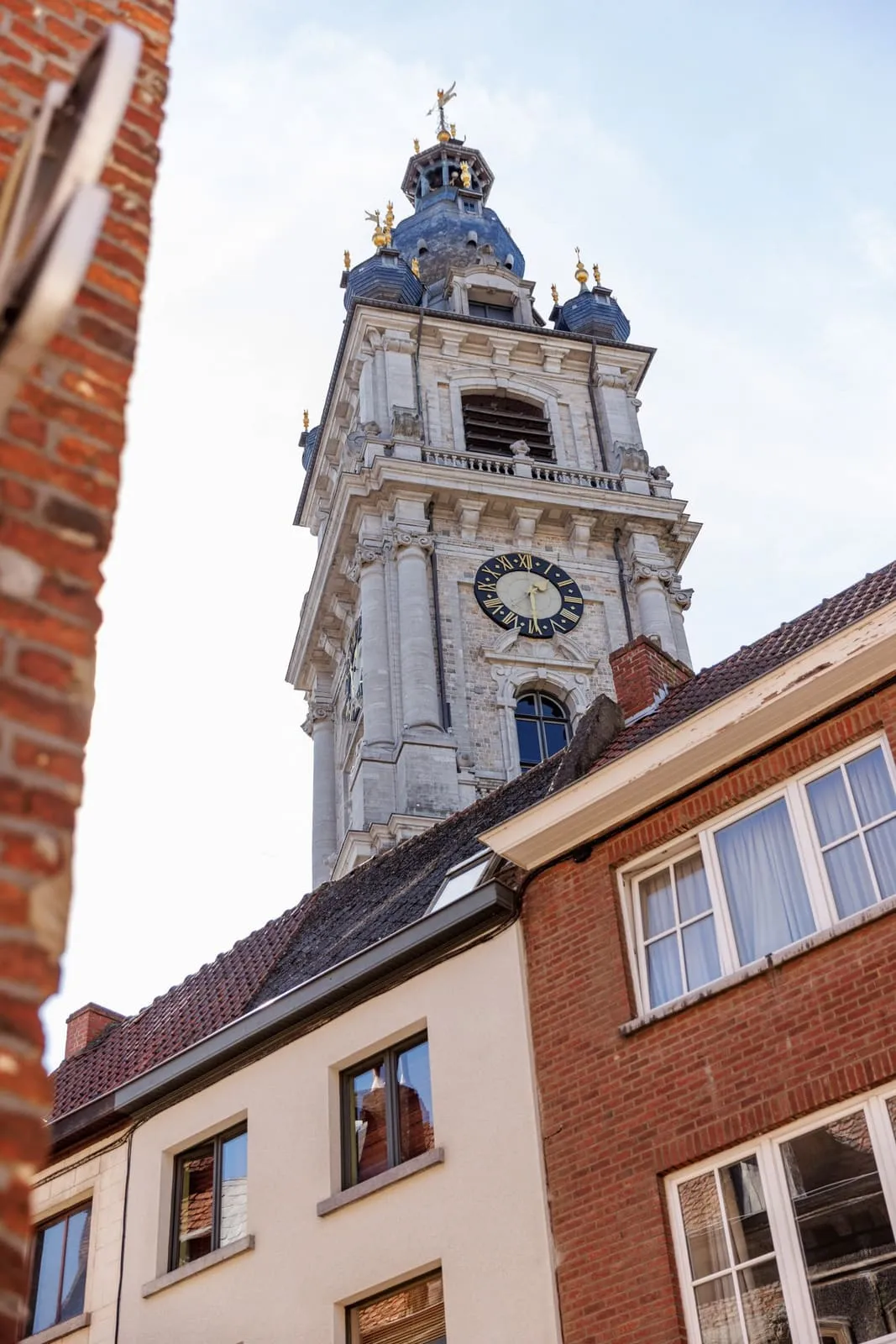
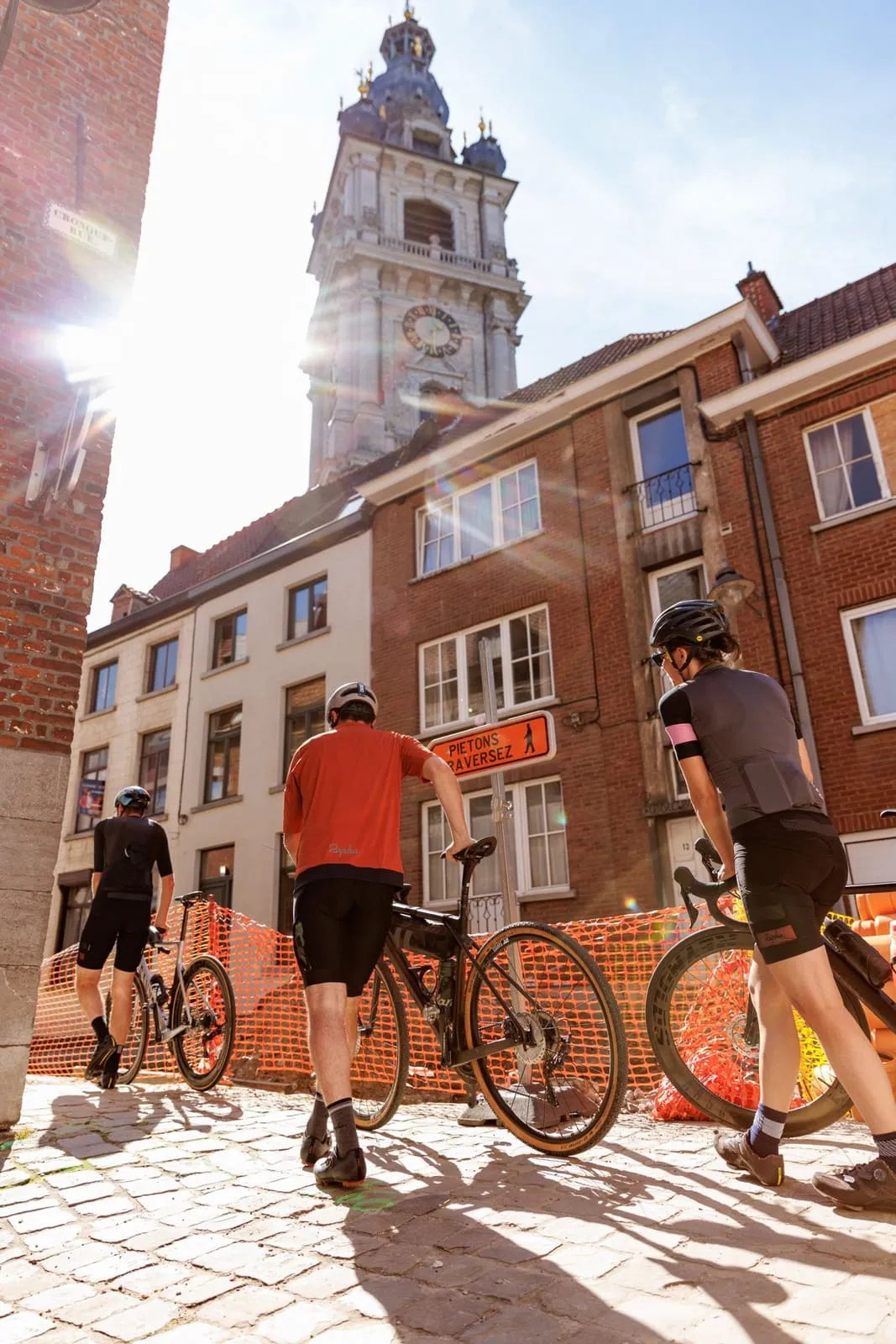
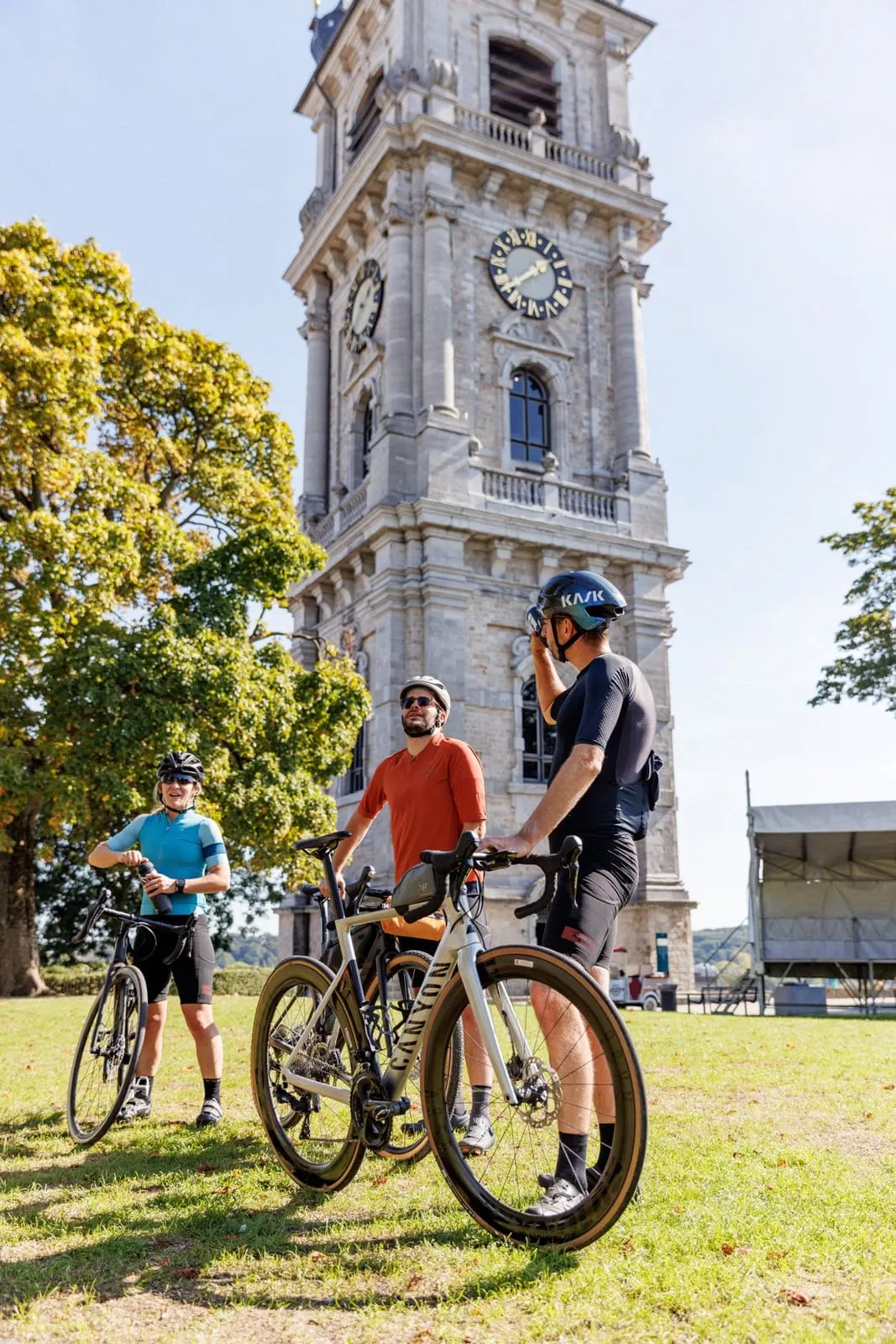
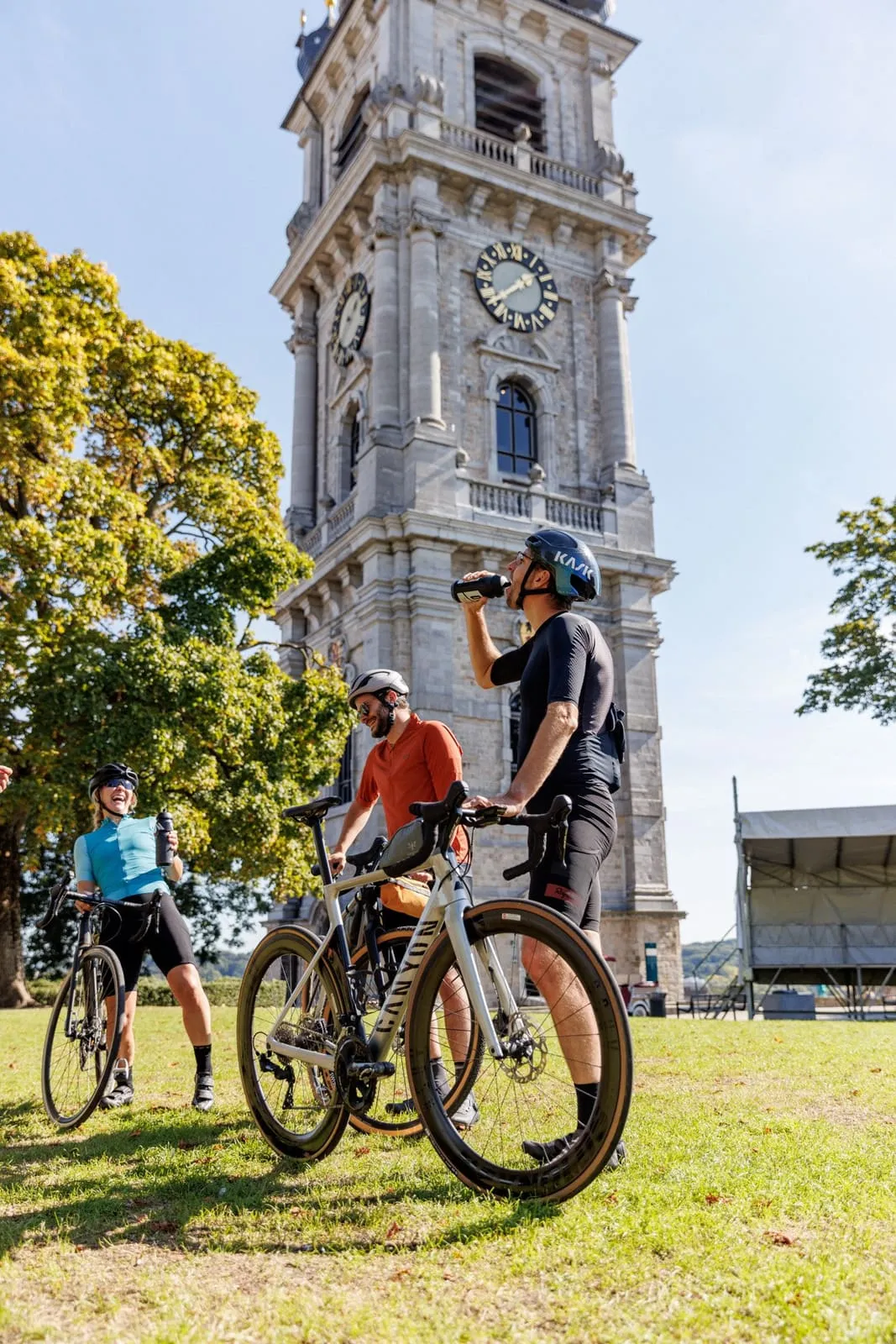
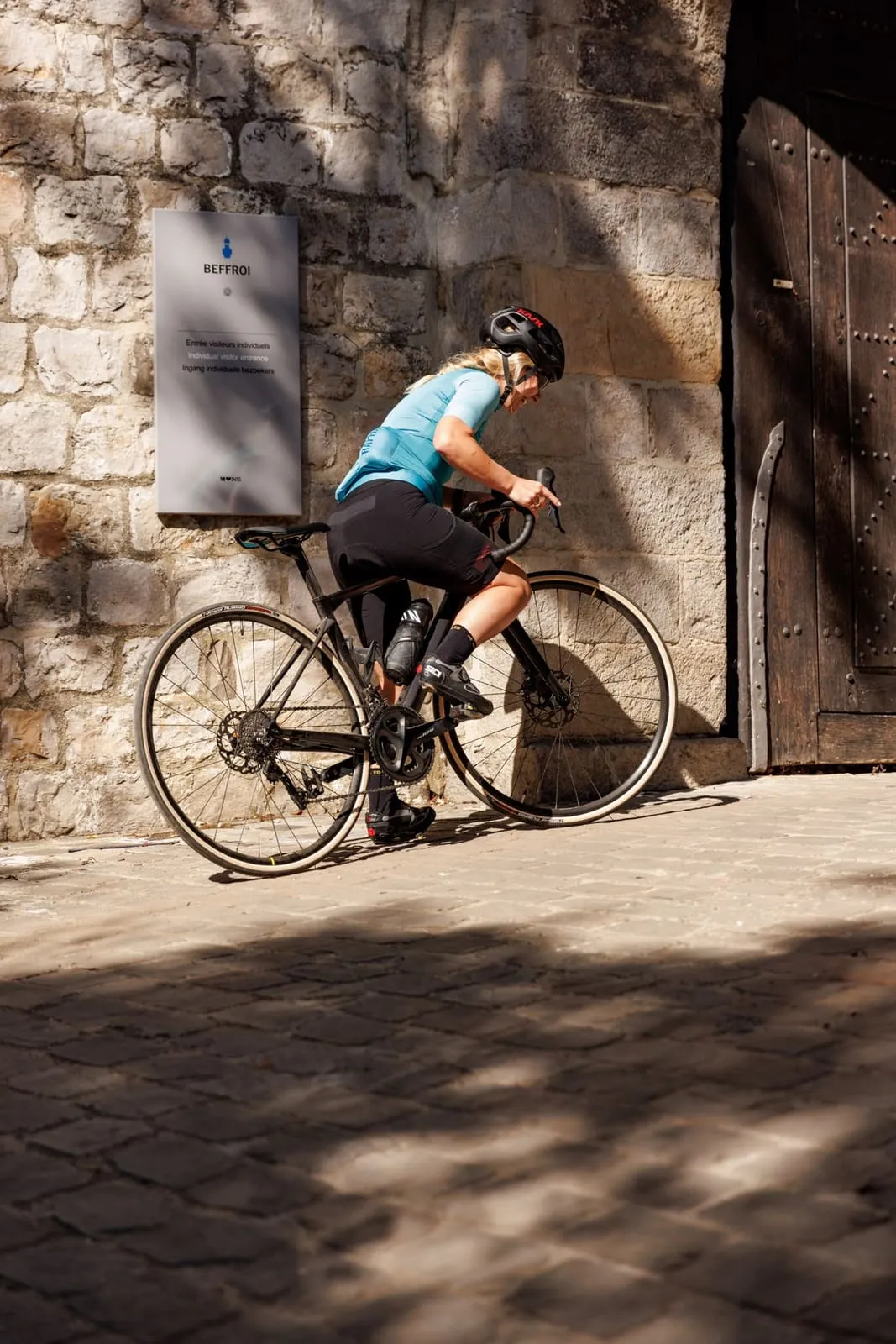
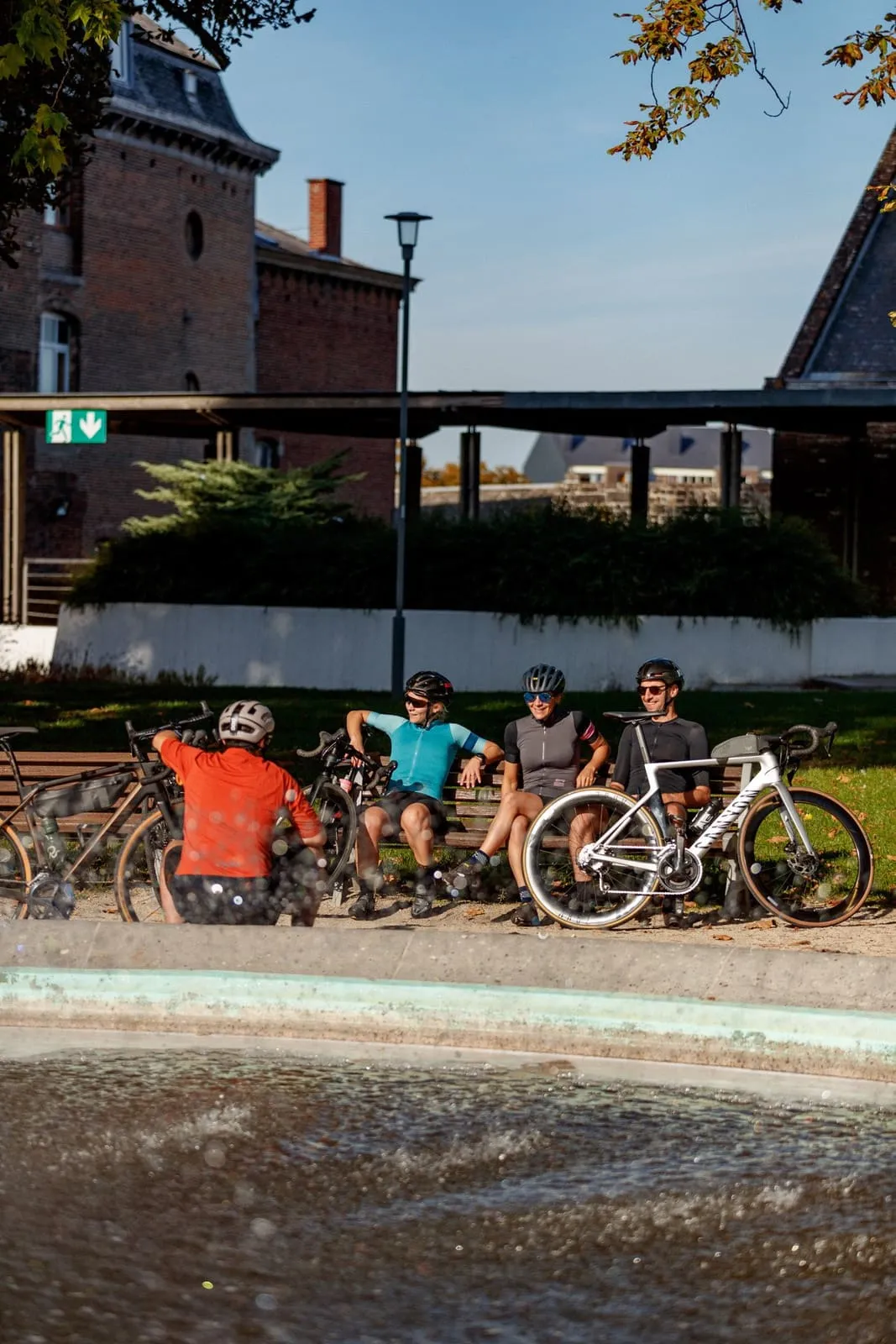
We roll out in Mons (Bergen in Dutch) to begin our trip past glorious heritage. Mons is a city with age. You can feel it. It’s a city that breathes history, and the townhouses line up one after another as you ride through the streets. We set course for the Belfry of Mons, which marks our starting point through Wallonia. The climb to the top is short but punchy. The belfry looks out over the city and the surrounding woods. We’re ready for our encounter with history.
Château d’Havré
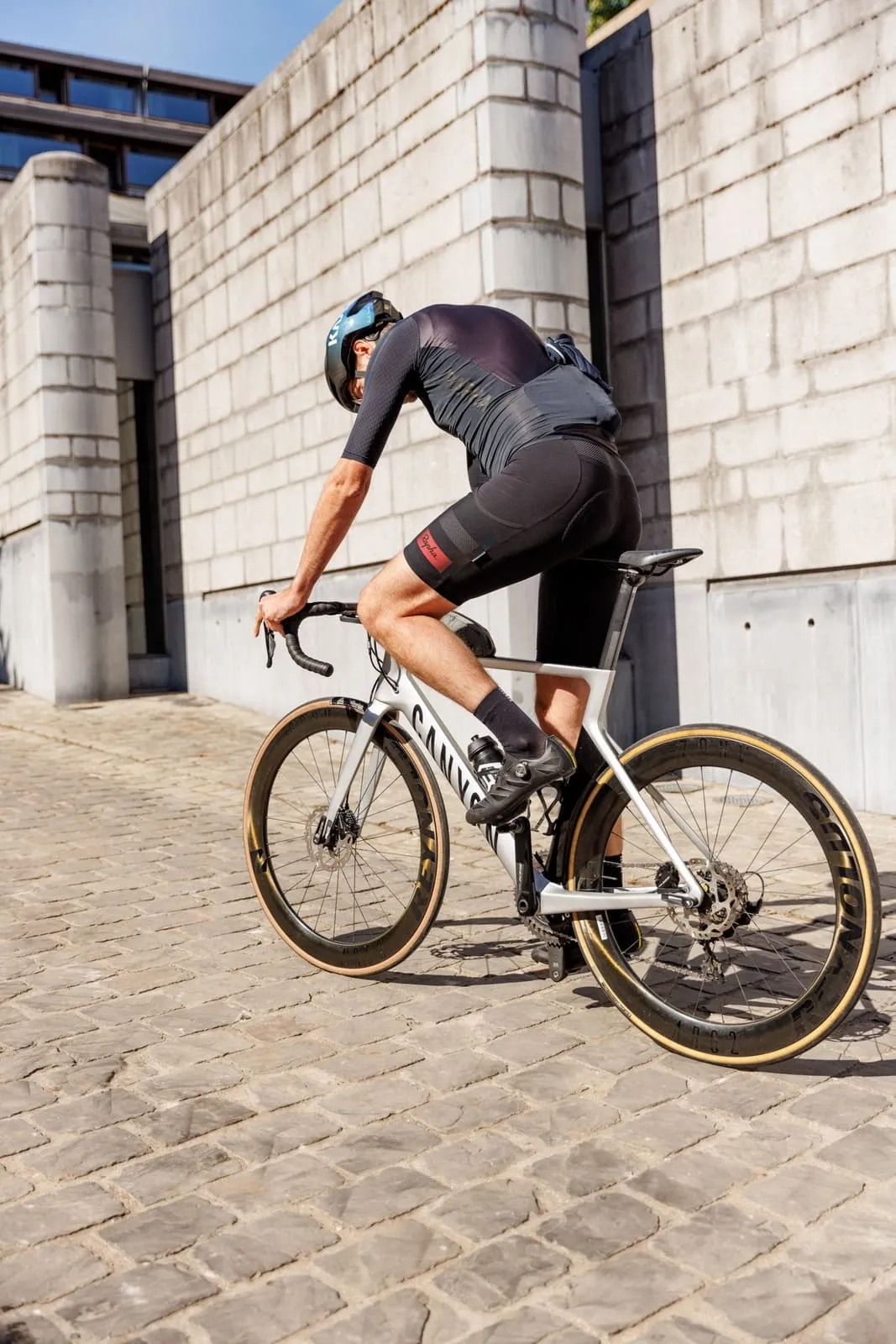
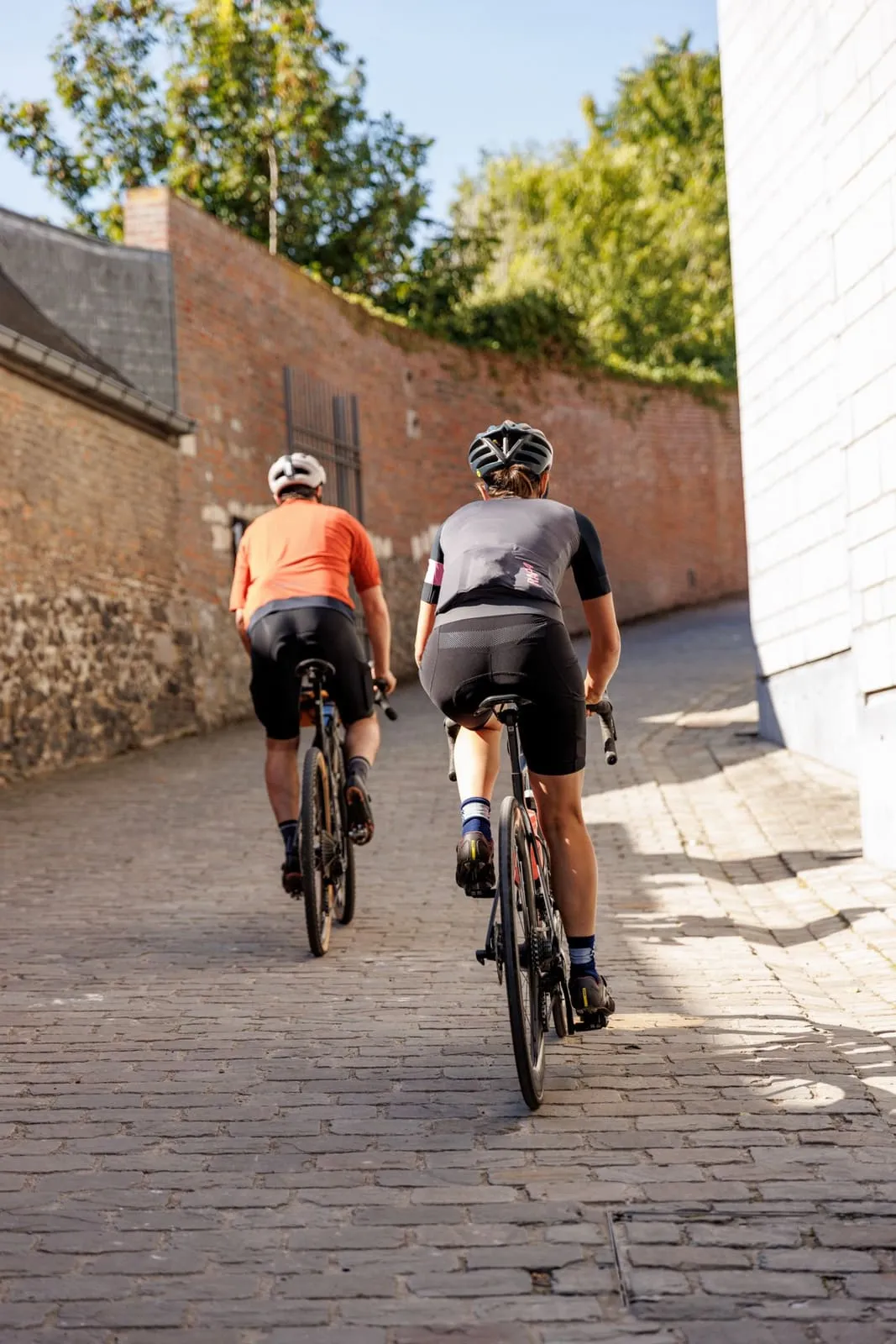
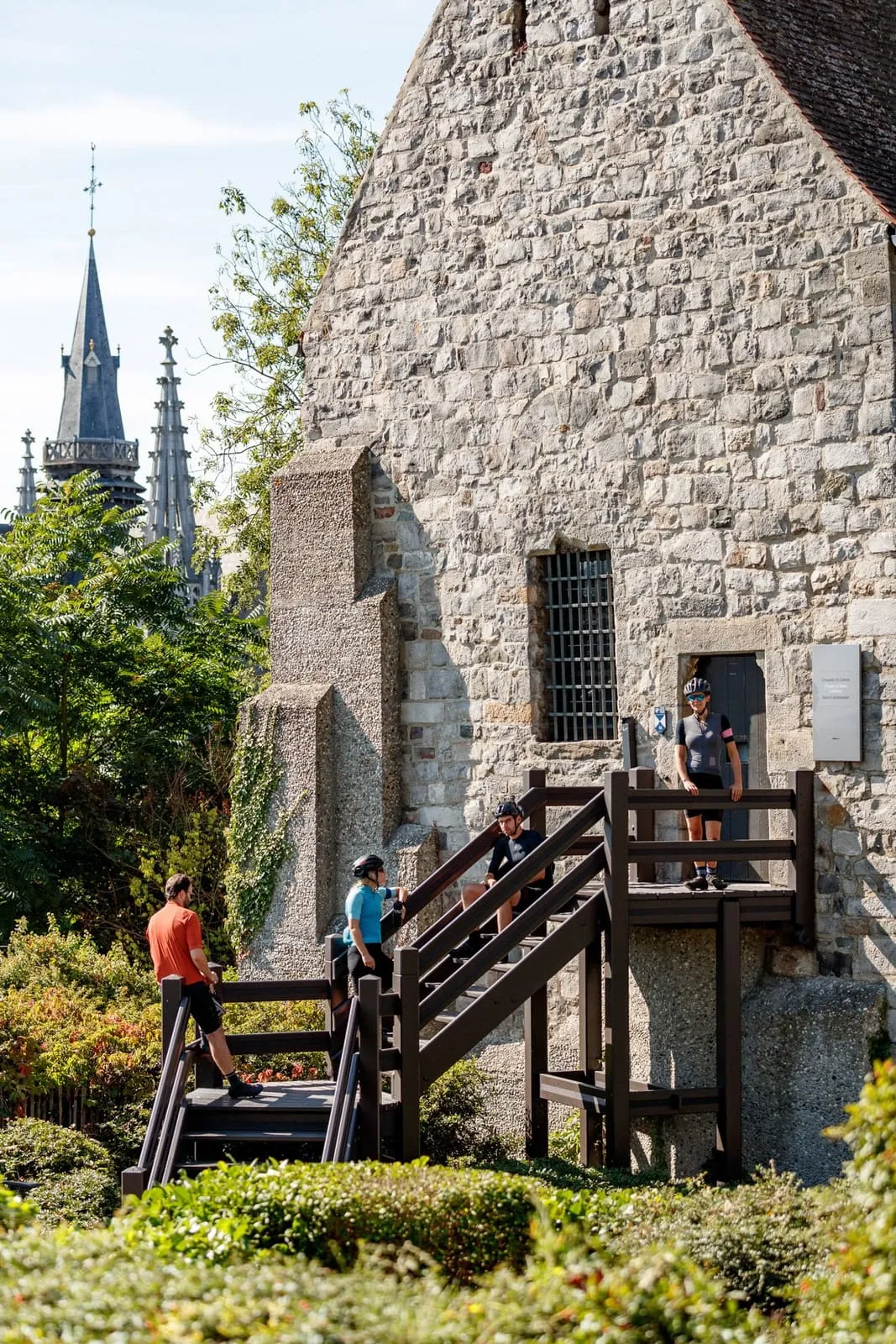
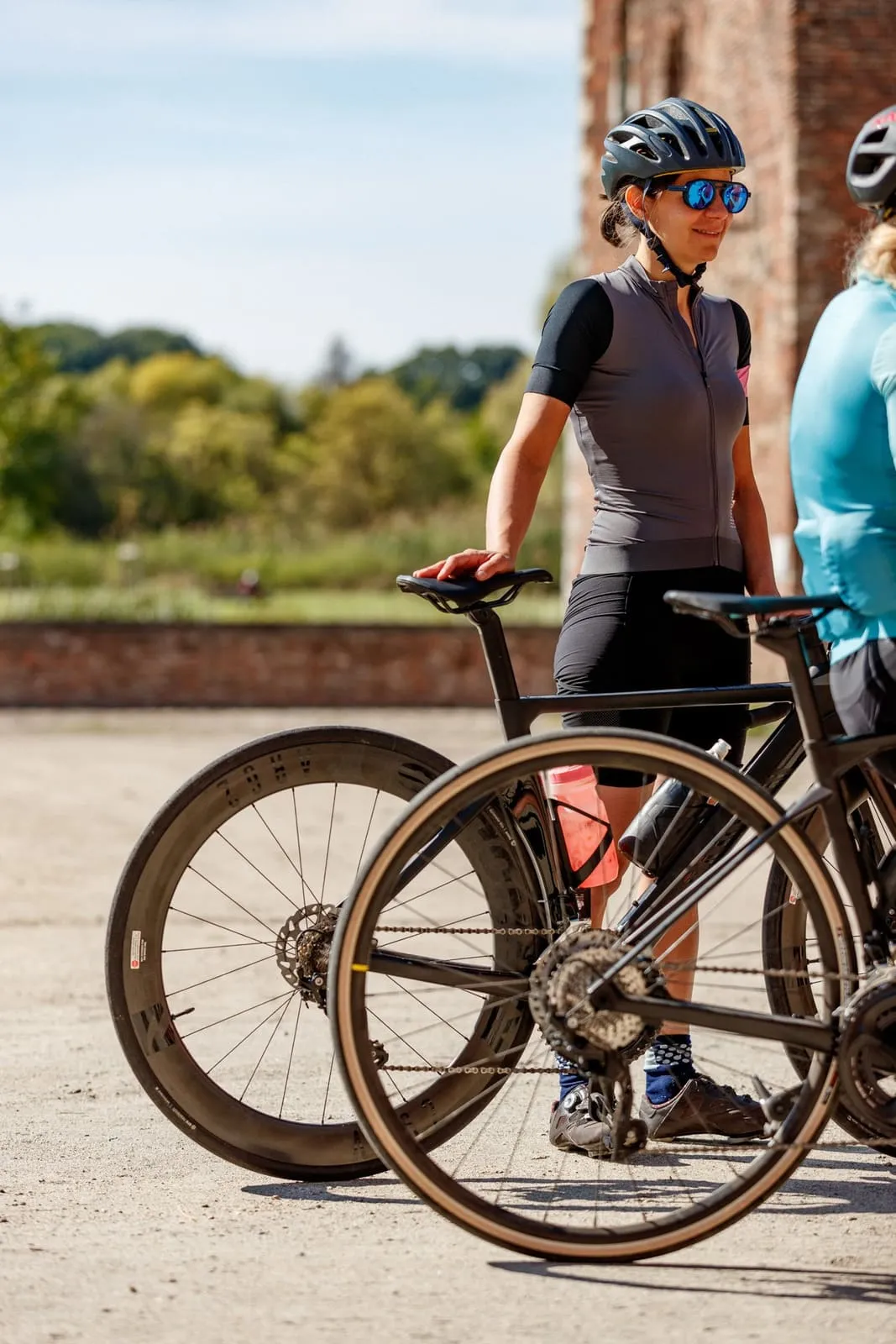
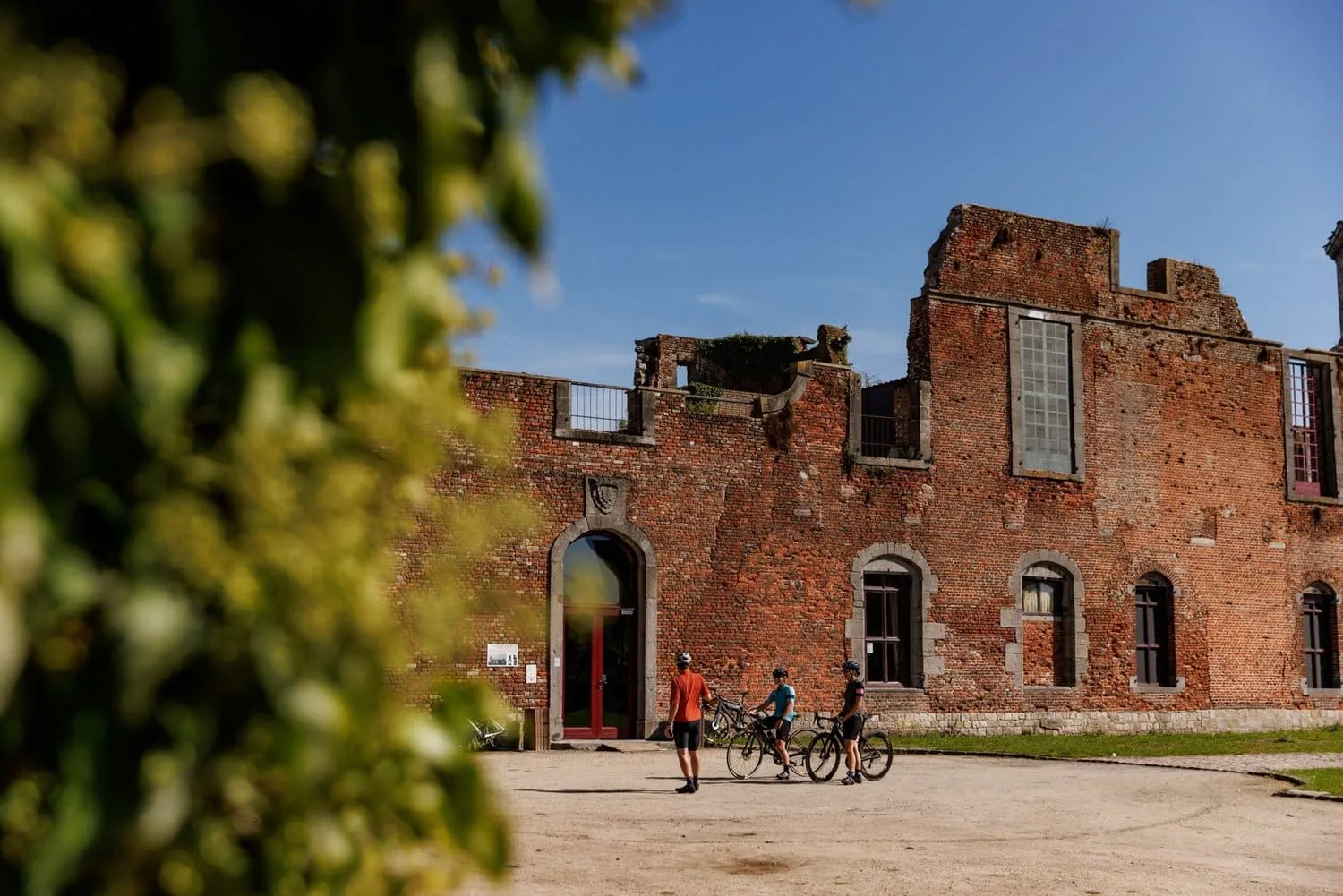
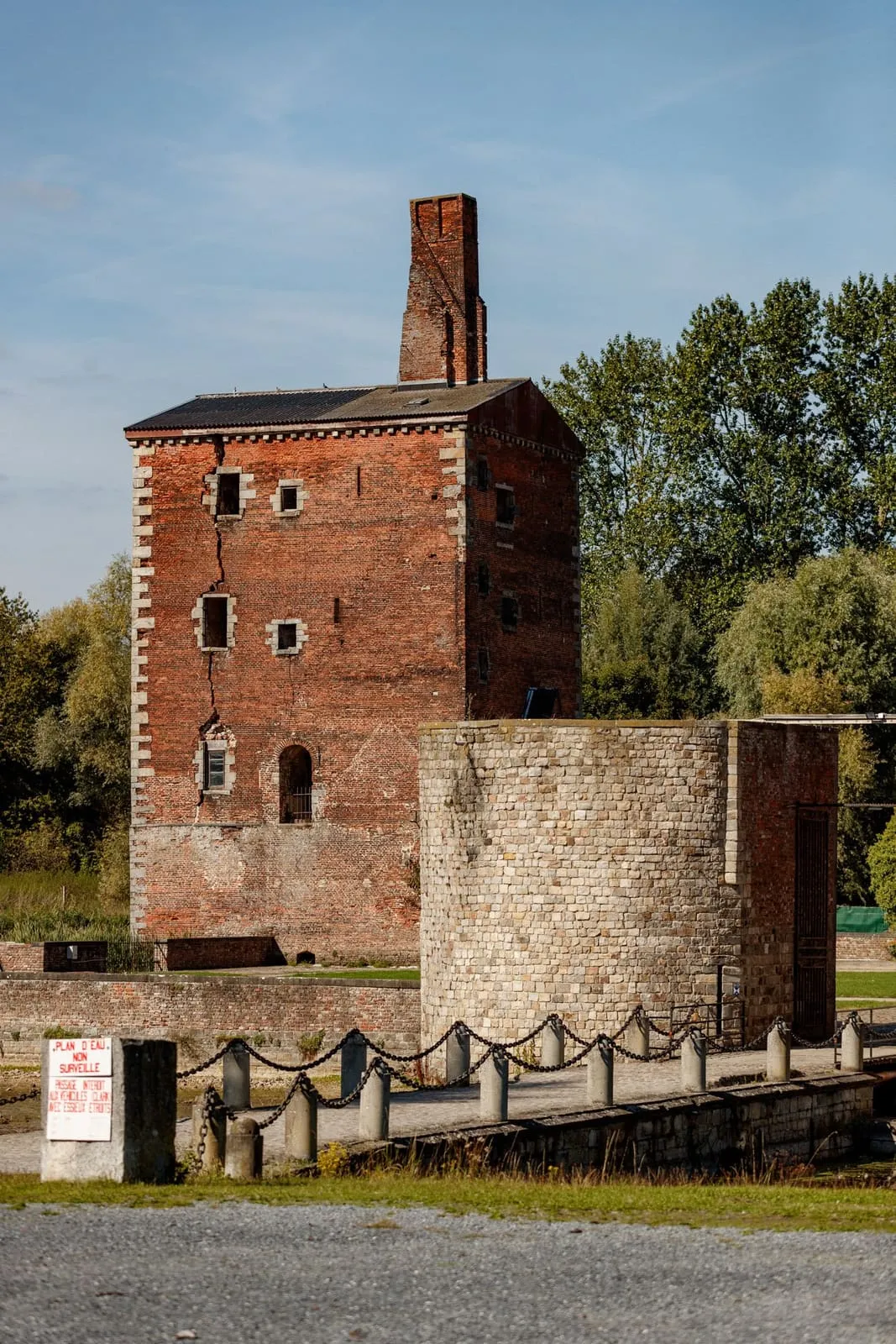
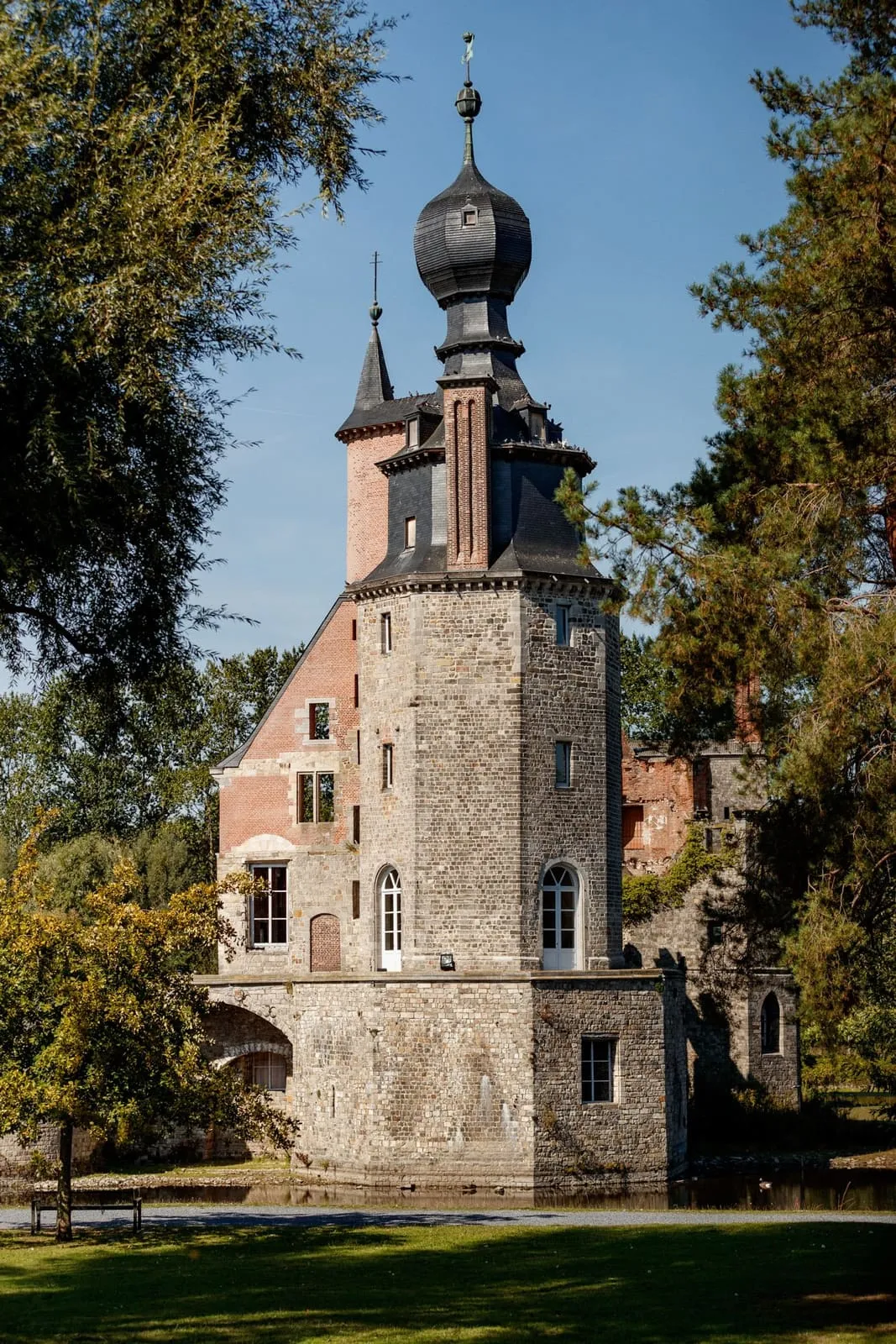
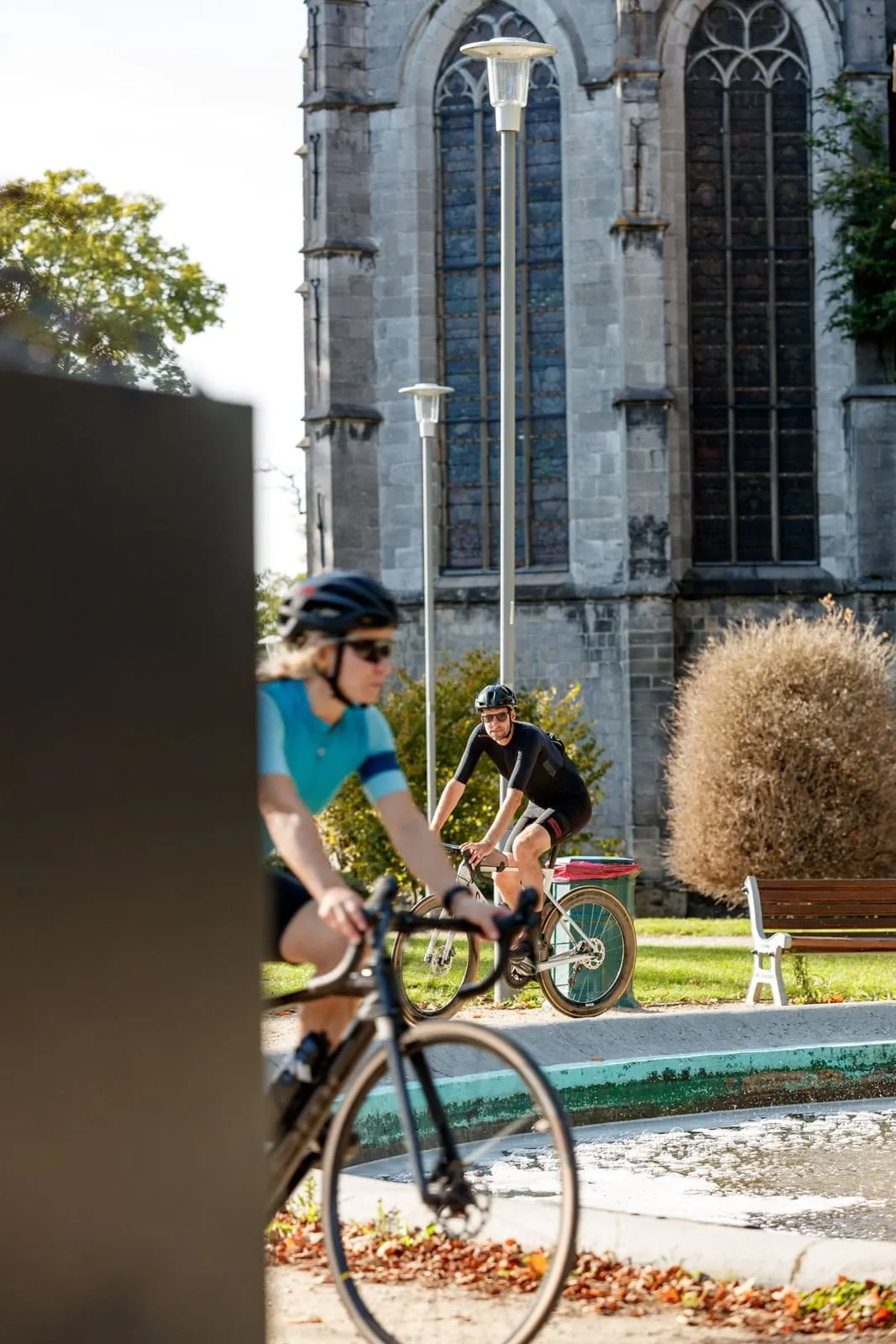
Leaving Mons, we ride a few dead-straight cobbled roads to the Château d’Havré. The beautiful castle ruin in Havré is surrounded by a moat. In its garden you’ll find a colourful rose garden, and the courtyard breathes a history of romantic castle life alongside a medieval past of war. It combines several different styles. The courtyard welcomes us with a sun-drenched glow that warms both us and the castle walls.
Waterways and old boat lifts
From here on we leave the cobbled roads behind and dive onto lovely cycle paths that follow the bed of the canal. With our own eyes we can see how engineers of the past managed to conquer the relief of Hainaut to let ships pass smoothly. On the Canal du Centre there are four old boat lifts that can raise boats metres high so they can sail on.
The four hydraulic boat lifts on the short stretch of the historic Canal du Centre are Unesco industrial monuments. They form a remarkably well-preserved ensemble of lifts and bridges, and take you back to the industrial landscape of the late 19th century.
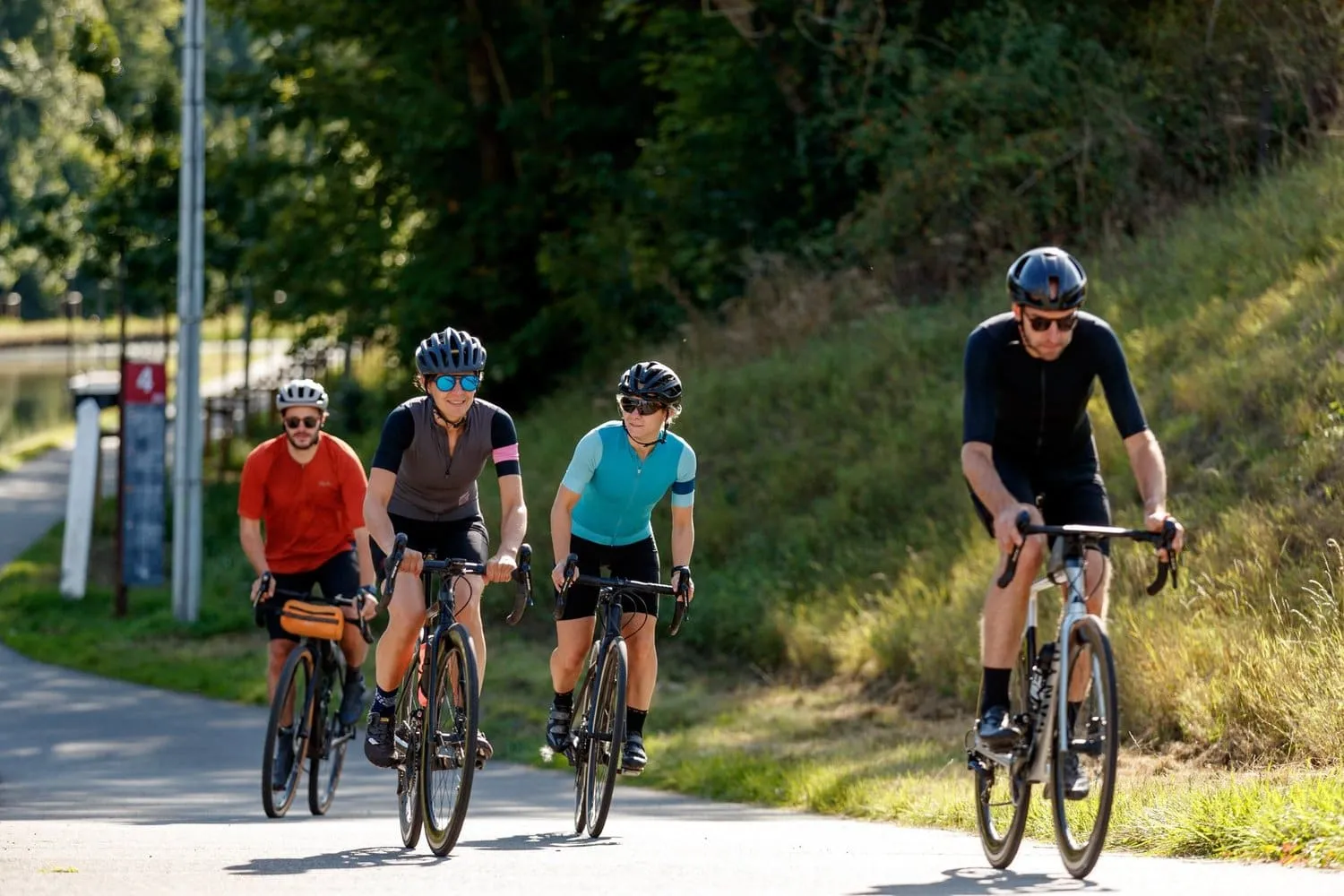
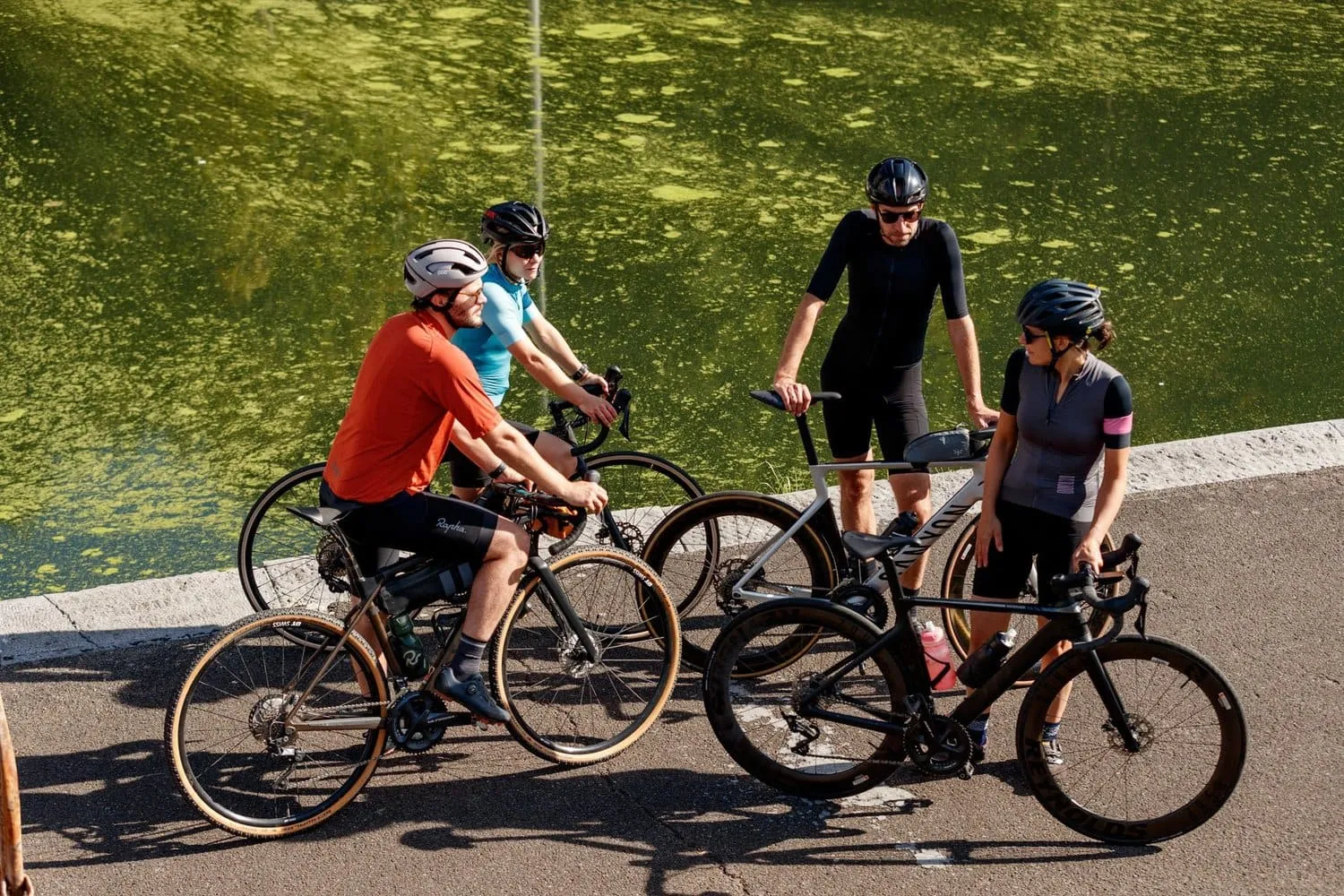
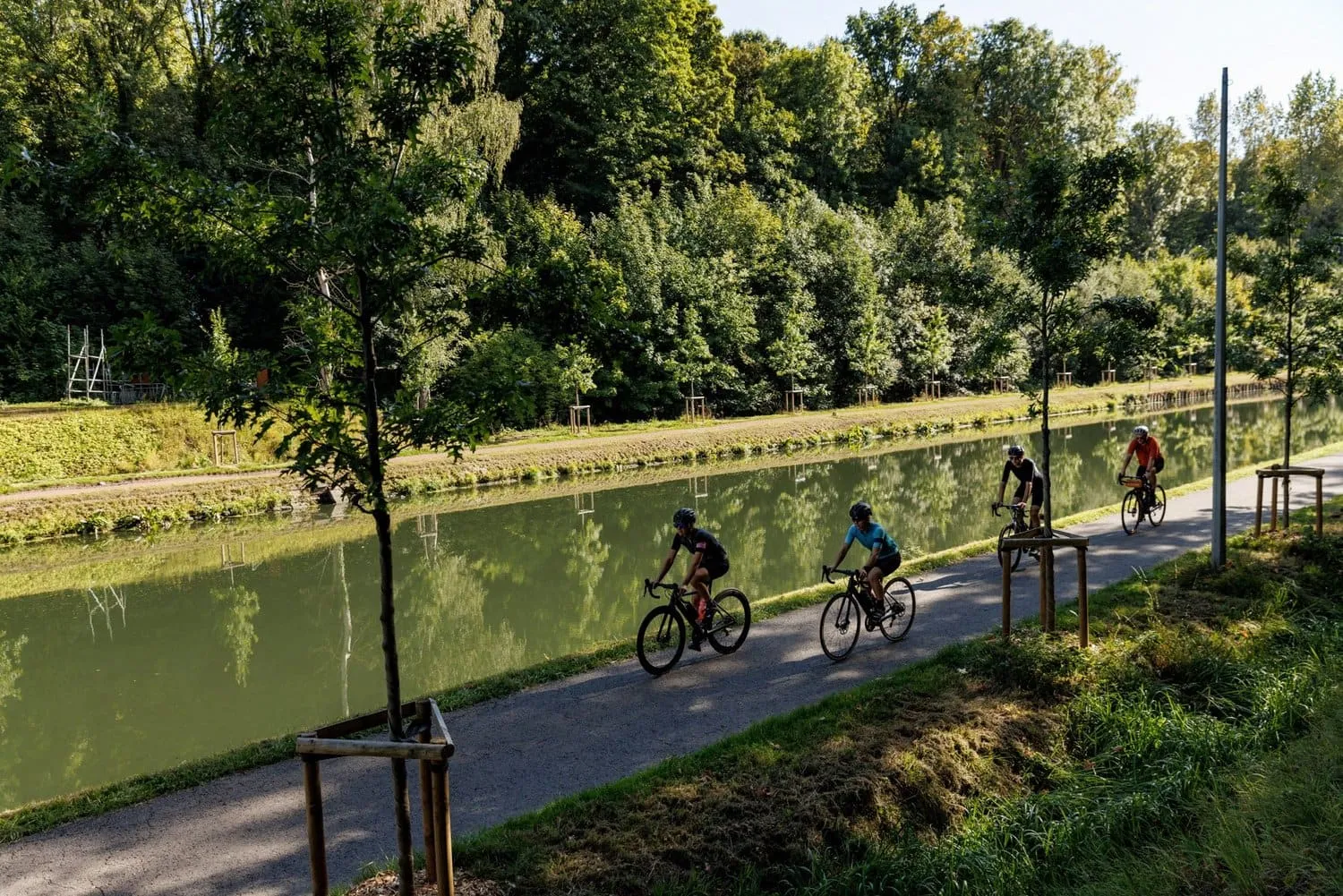
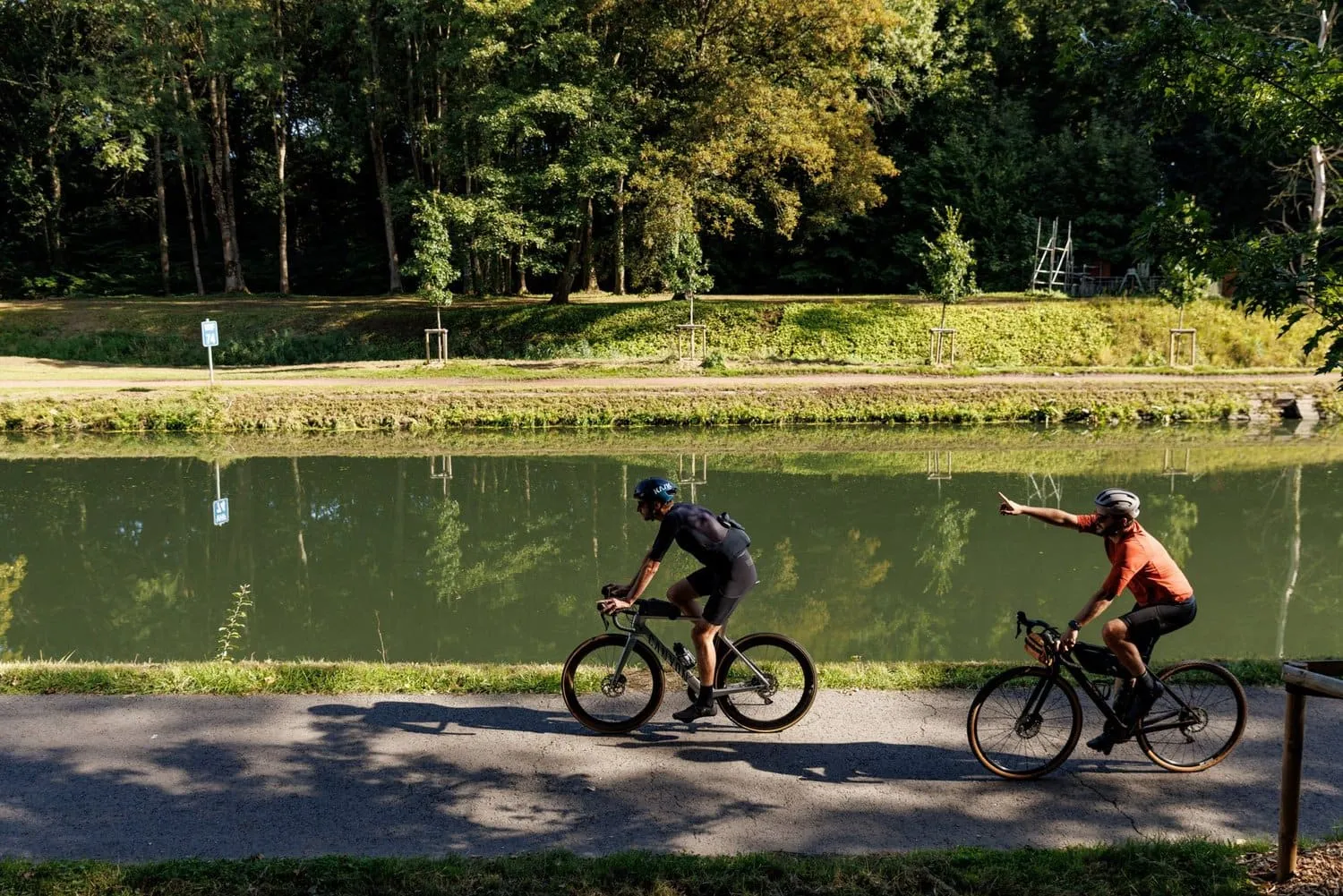
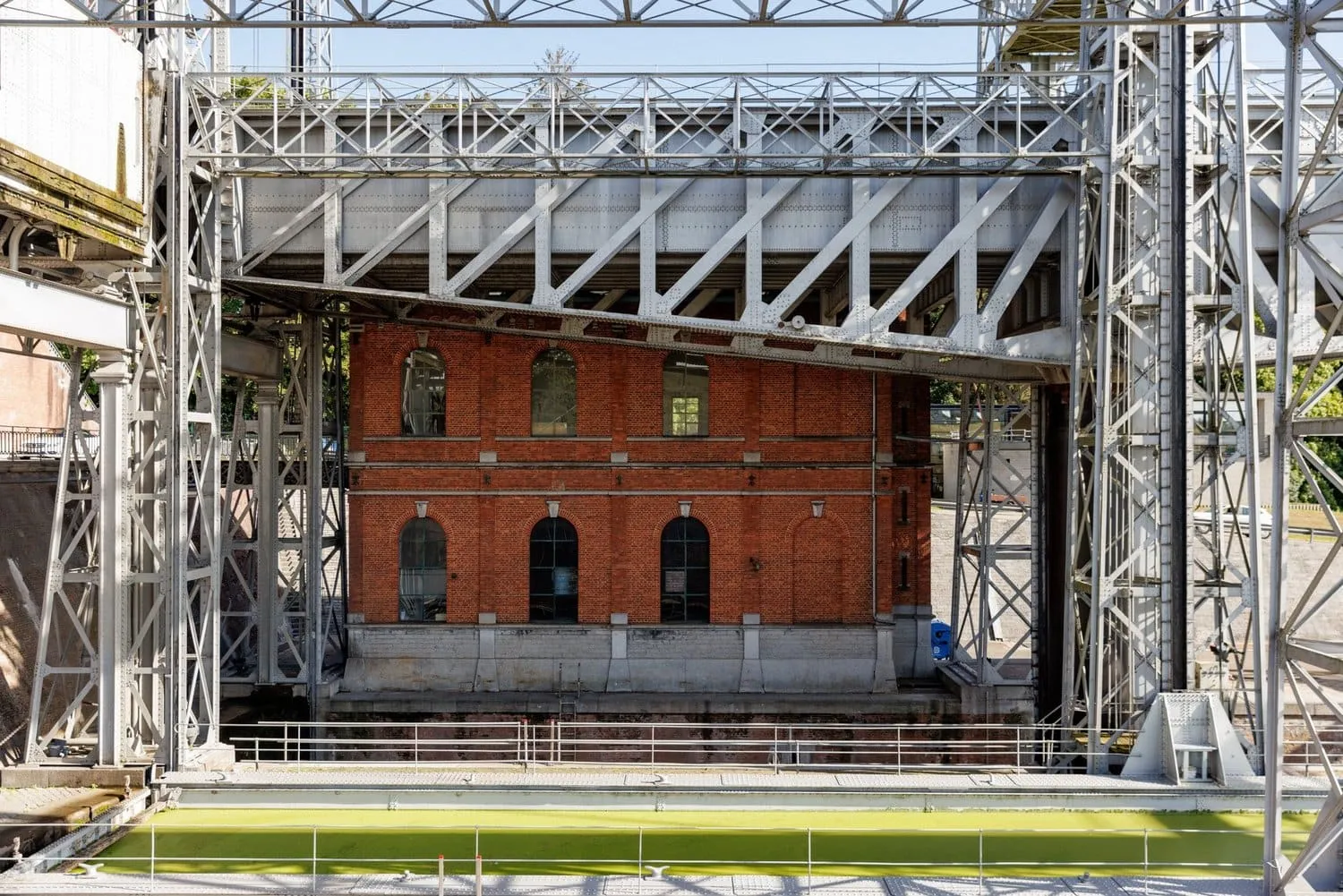
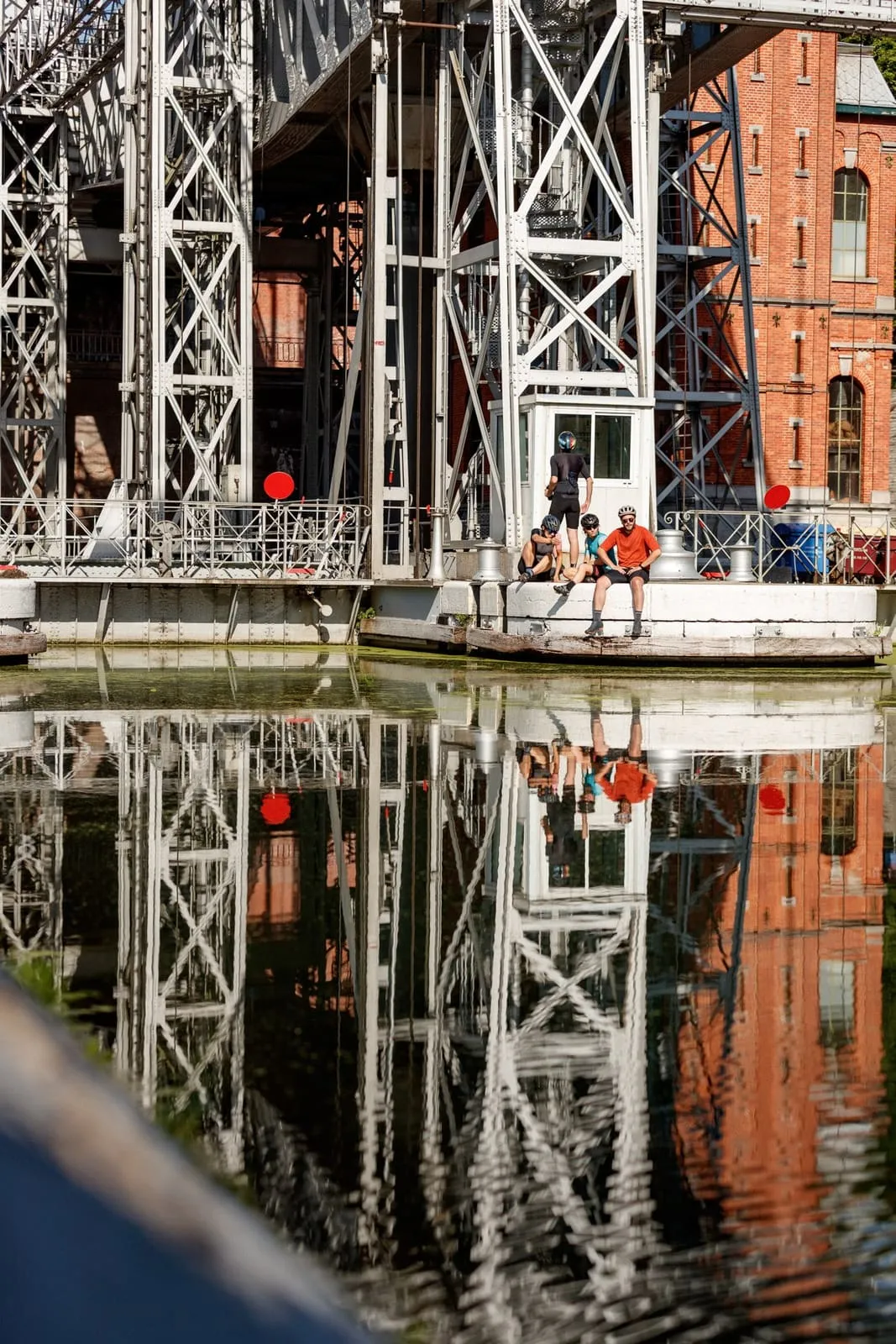
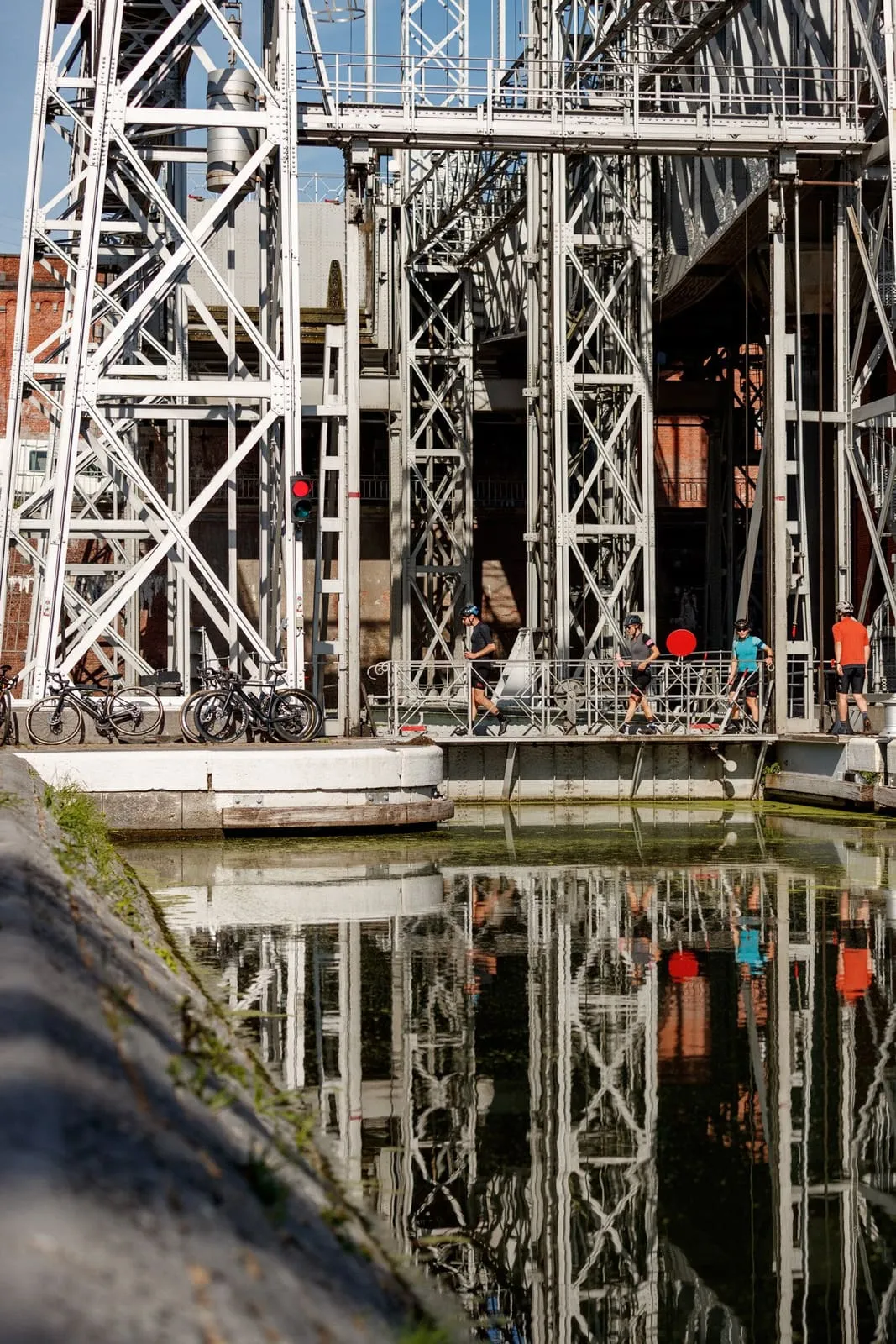
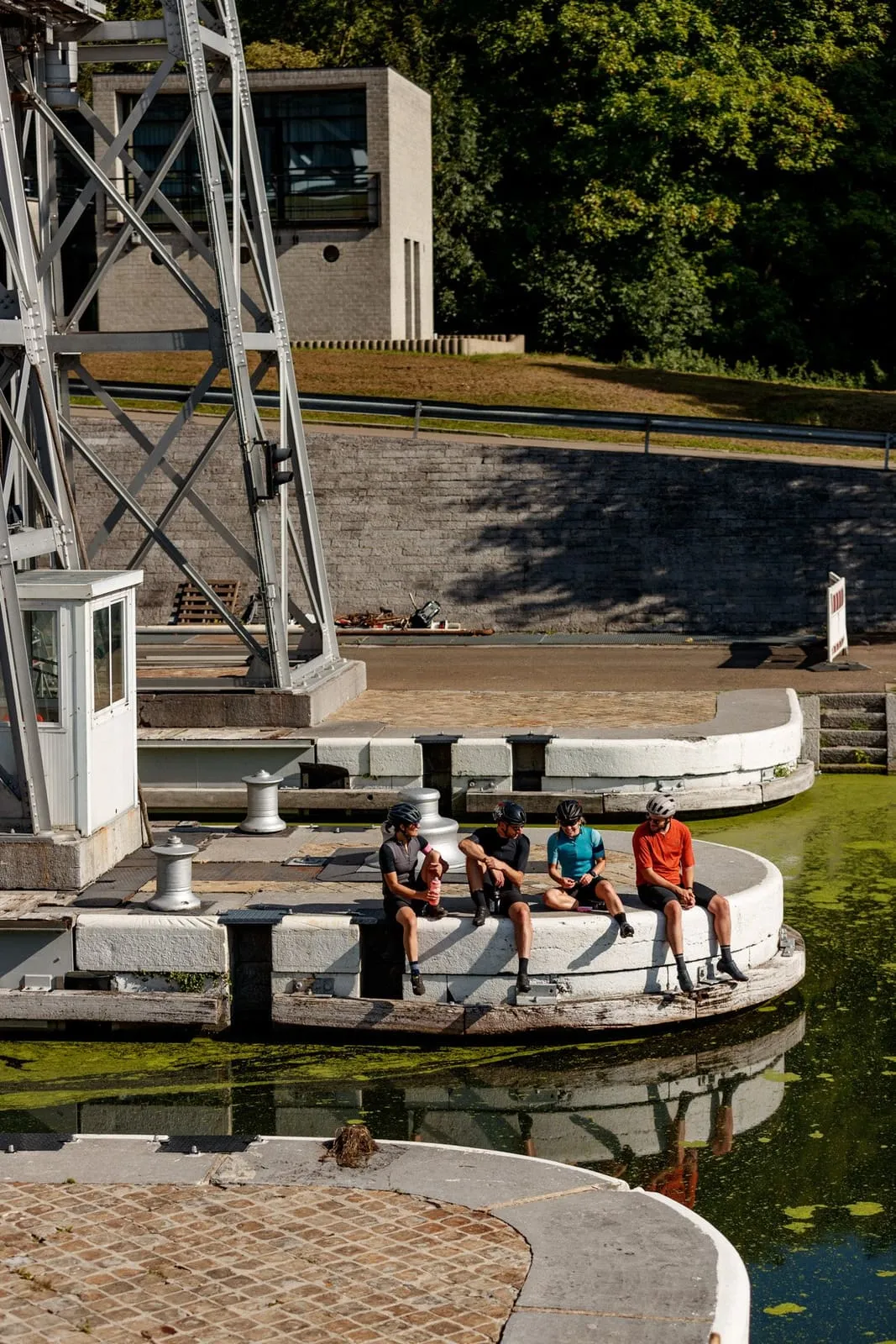
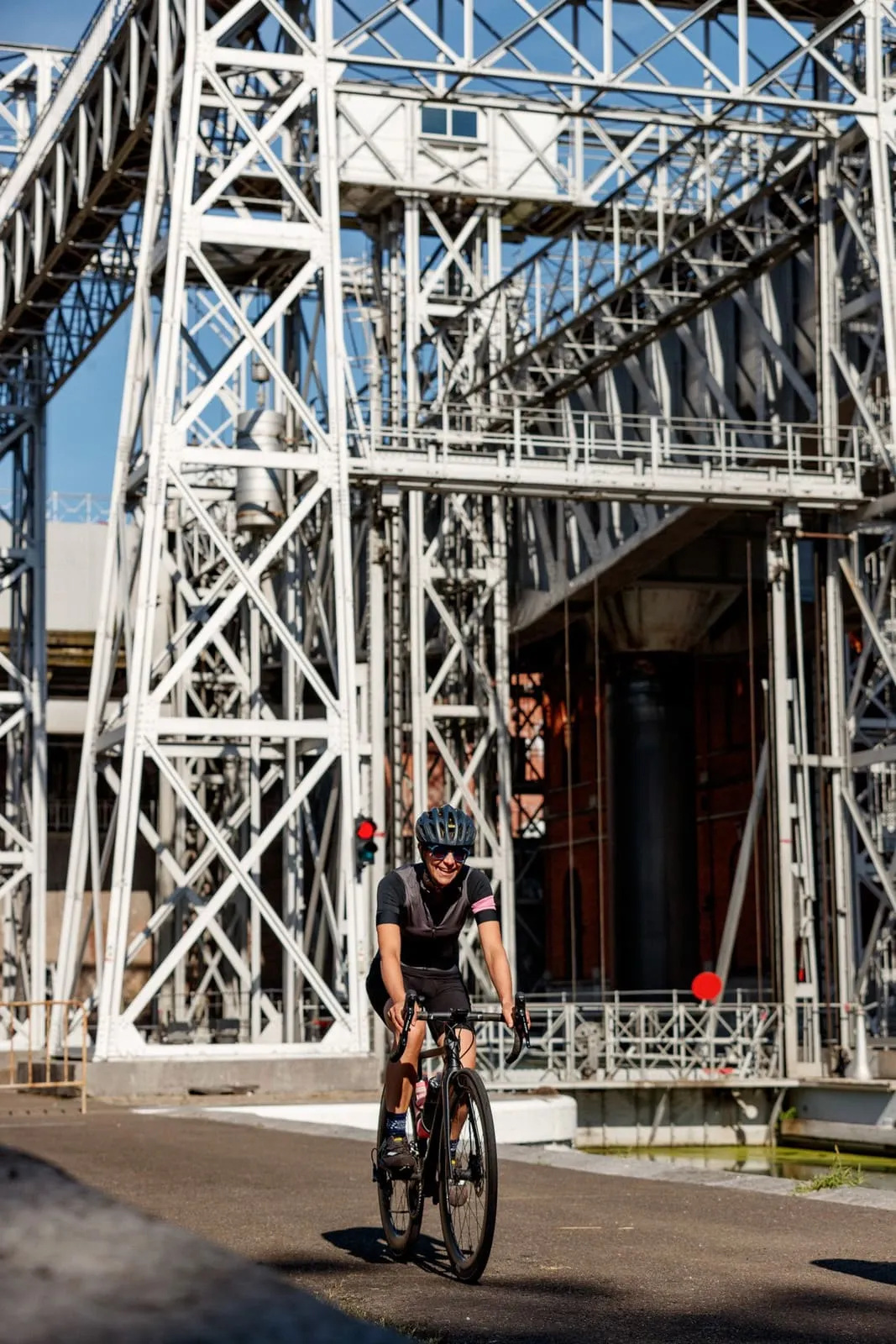
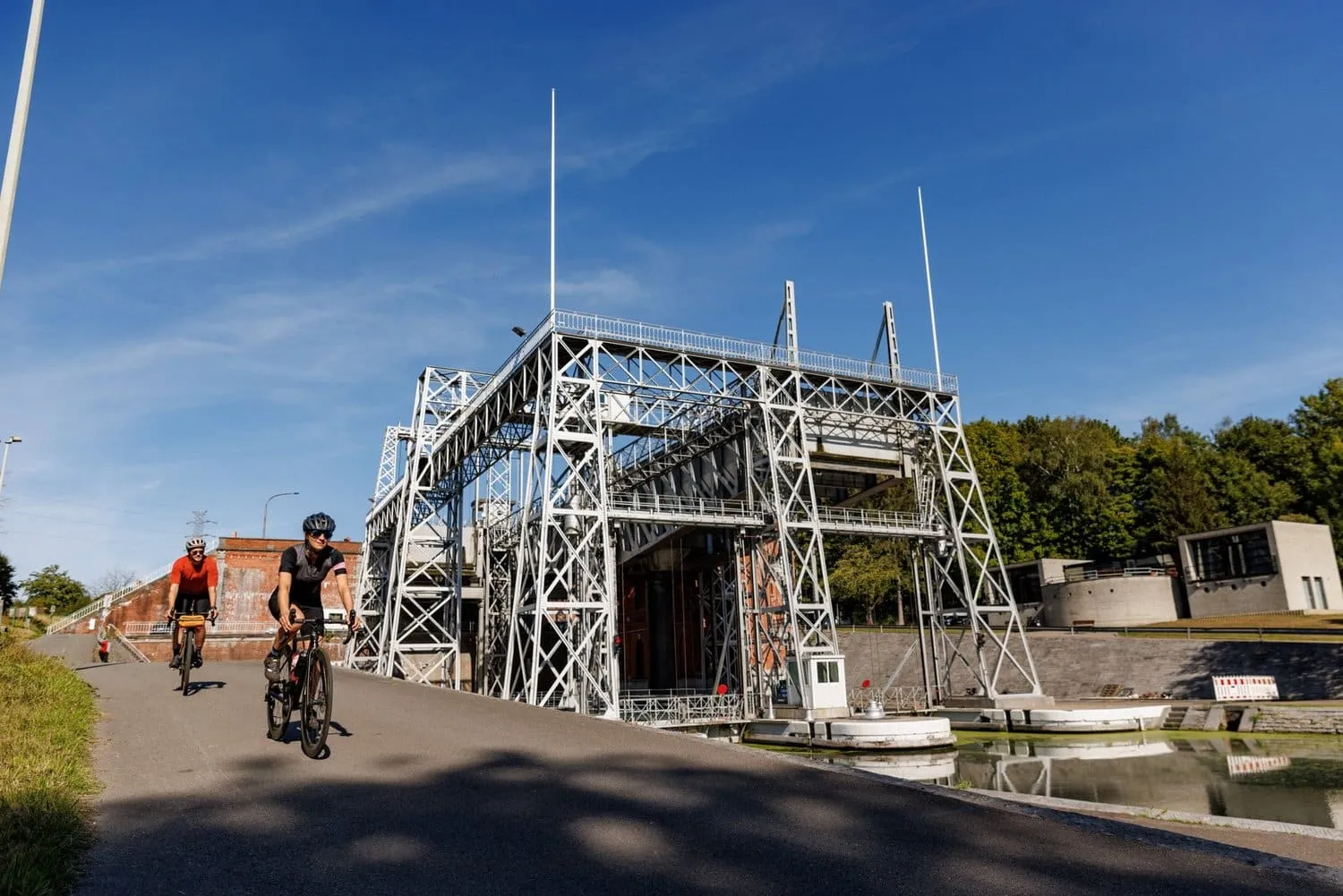
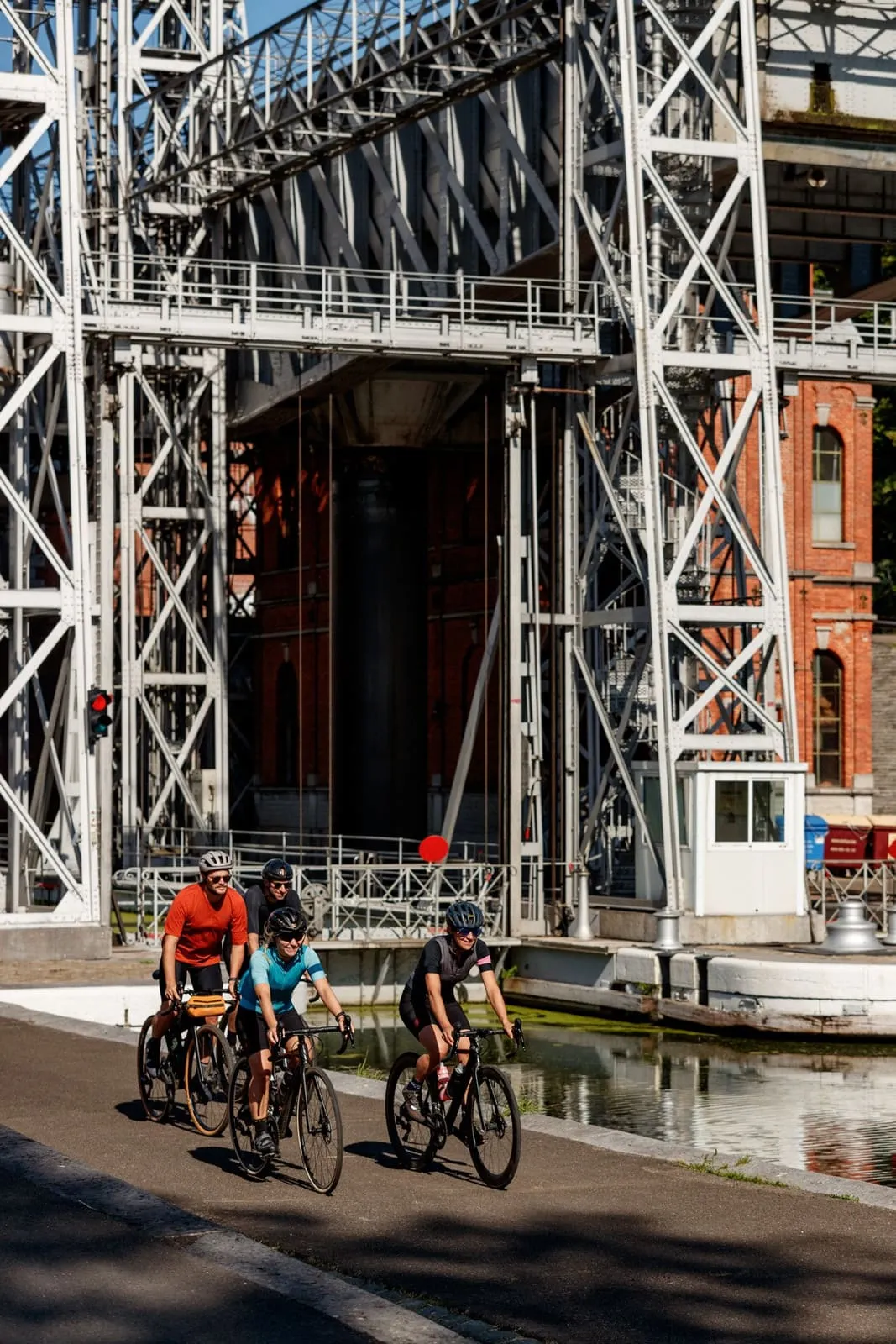
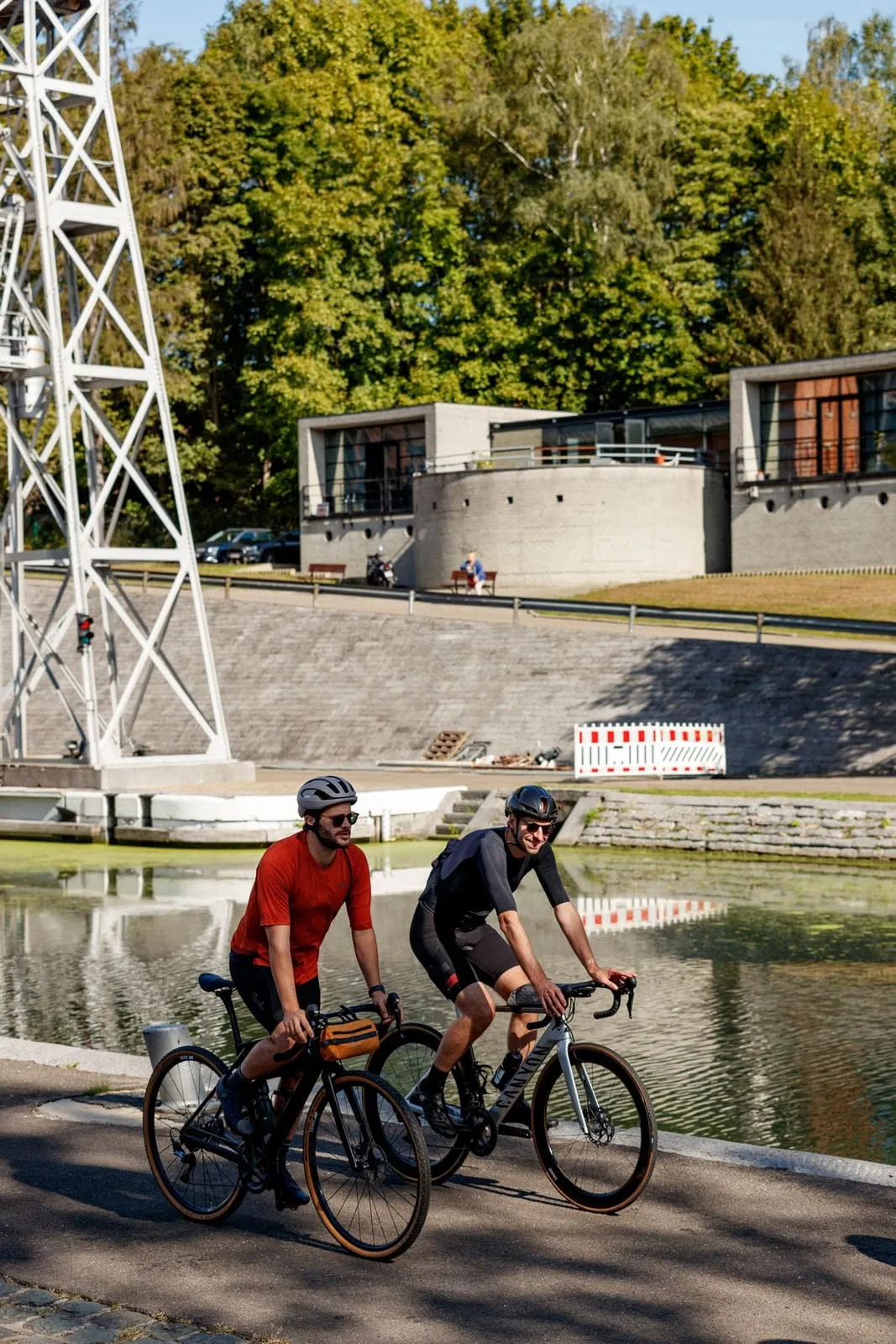
The Canal du Centre was built at the end of the 19th century to link the Meuse and Scheldt basins and so move coal in and out. Of the eight hydraulic boat lifts built at that time and in the early 20th century, the four on the Canal du Centre are the only ones in the world still working in their original condition and still in use. That really makes a detour to these lifts compulsory. By bike or by car.
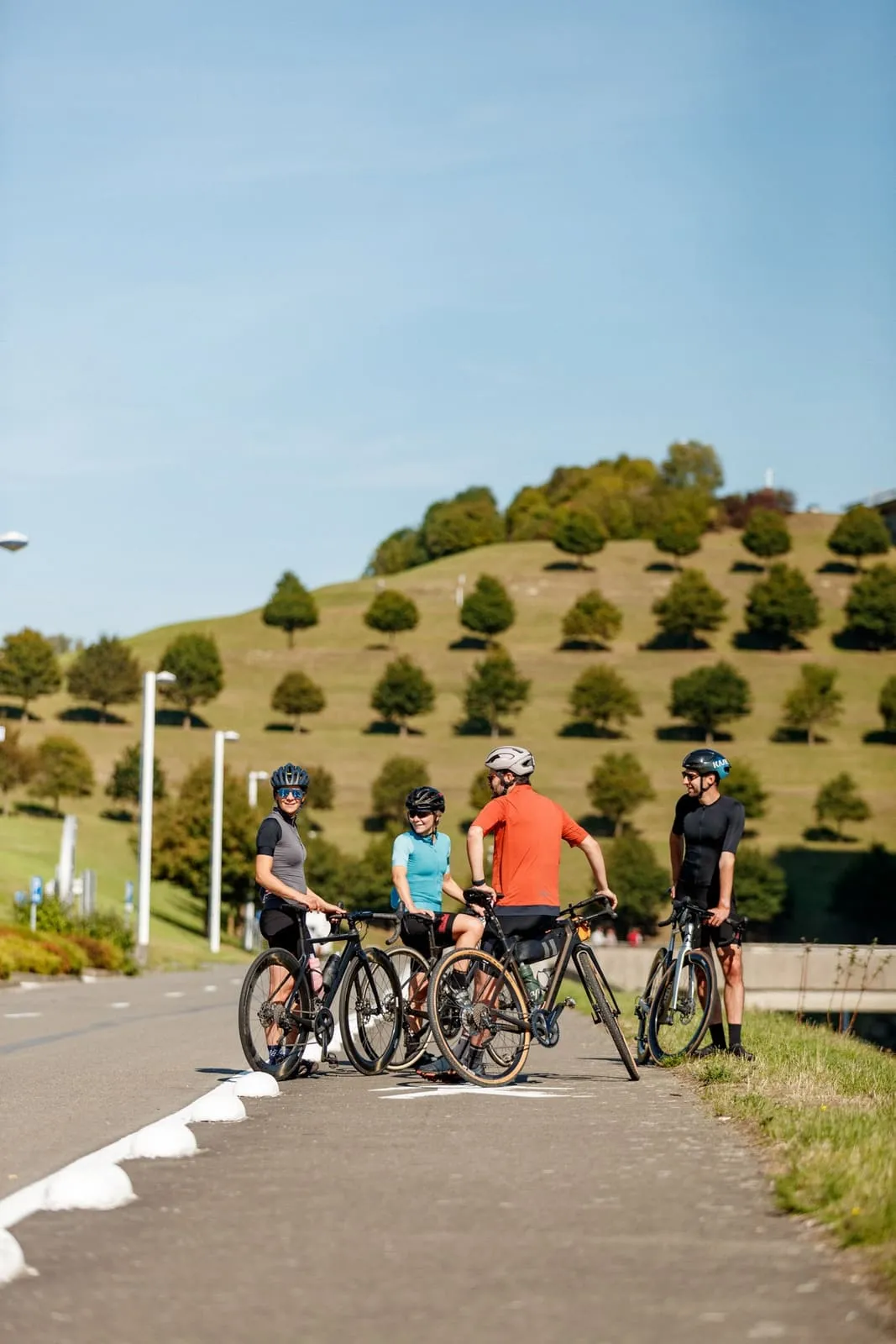
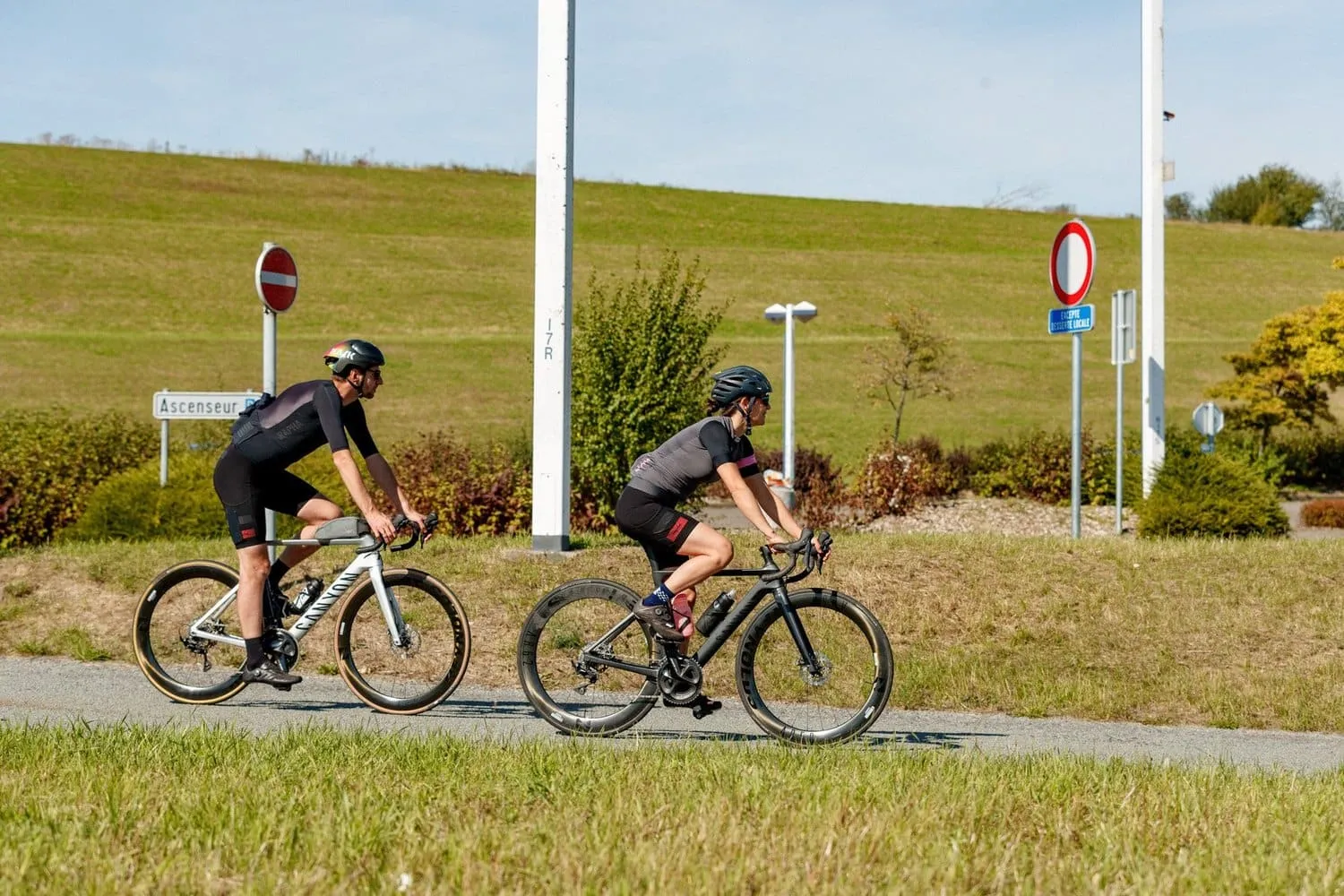
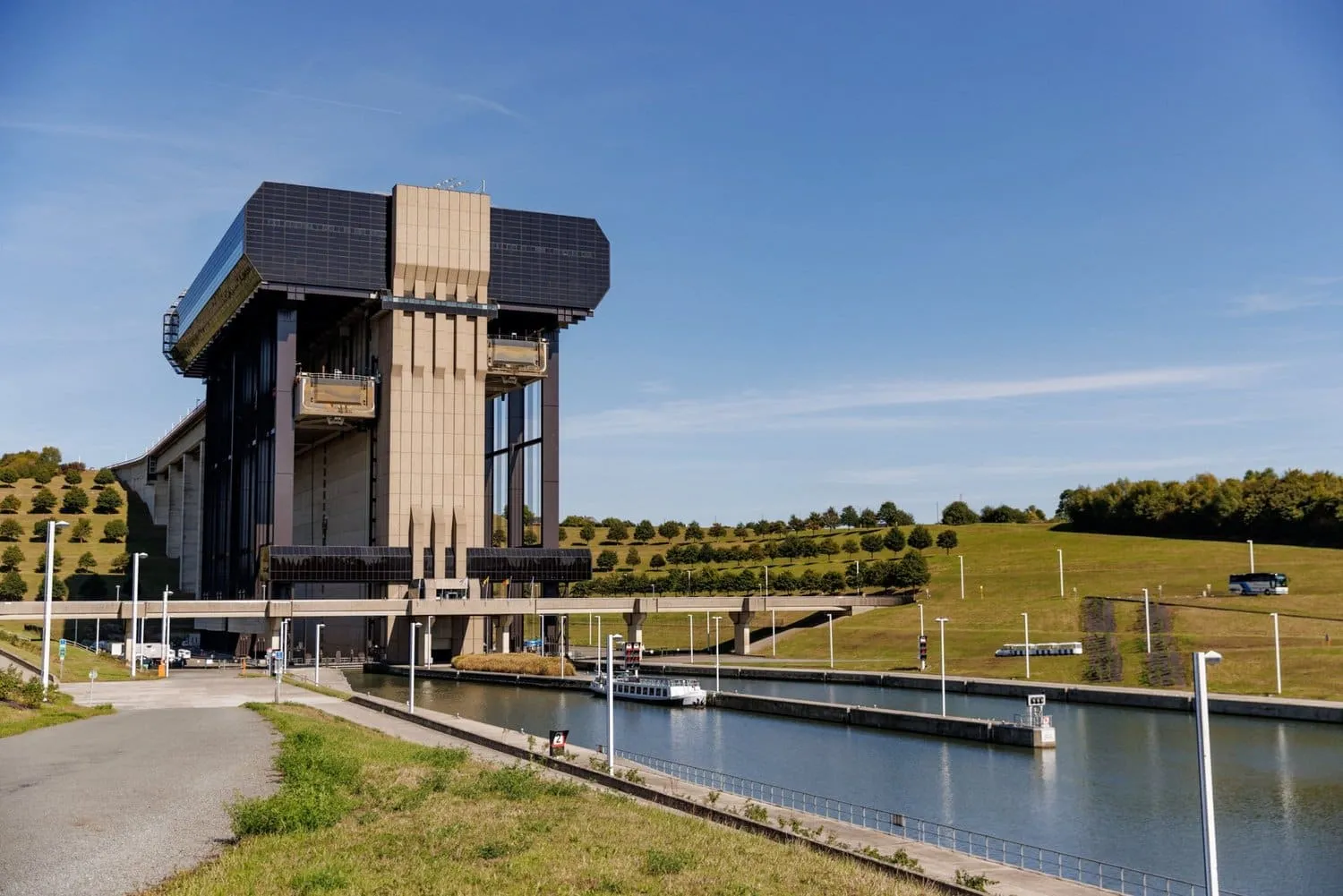
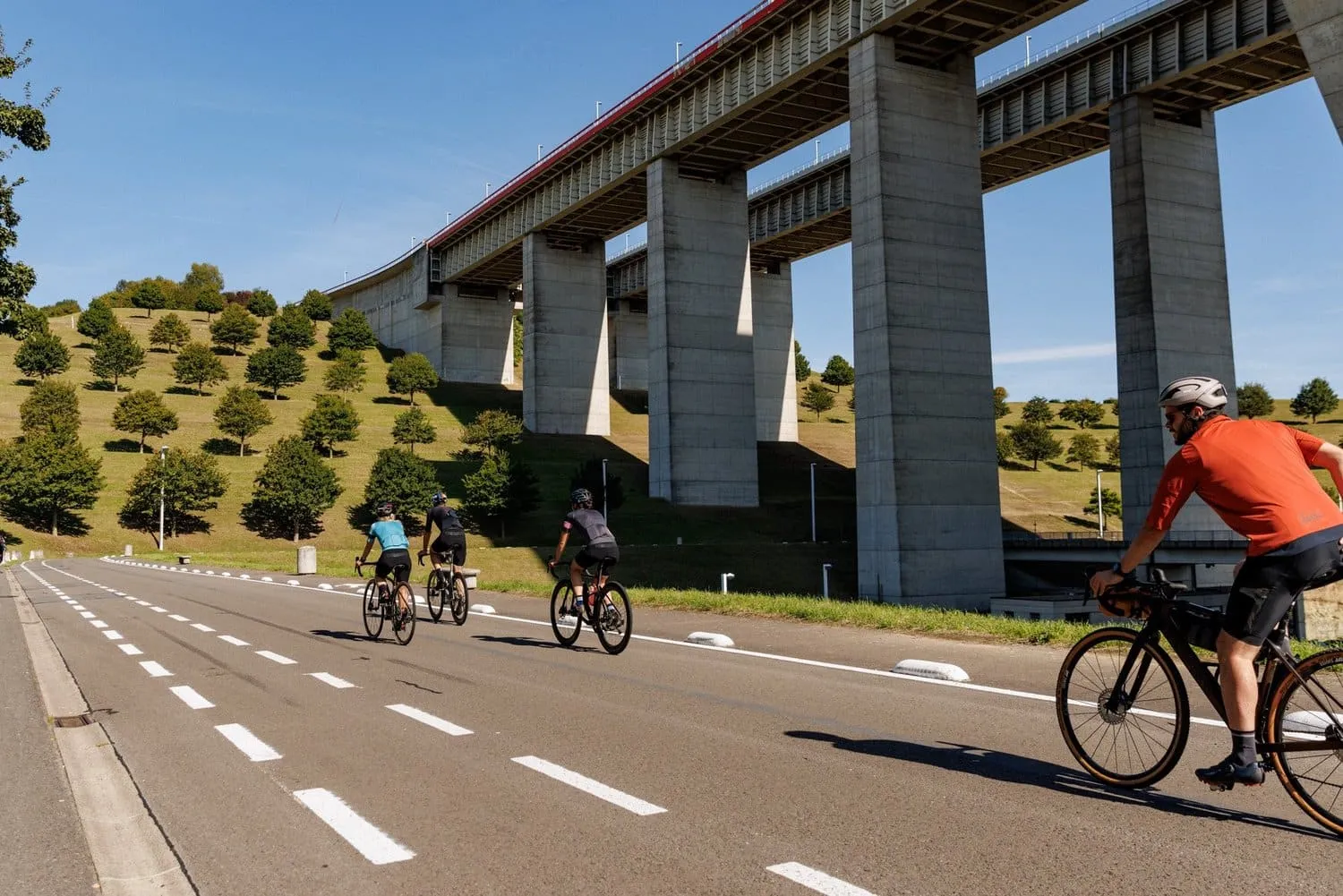
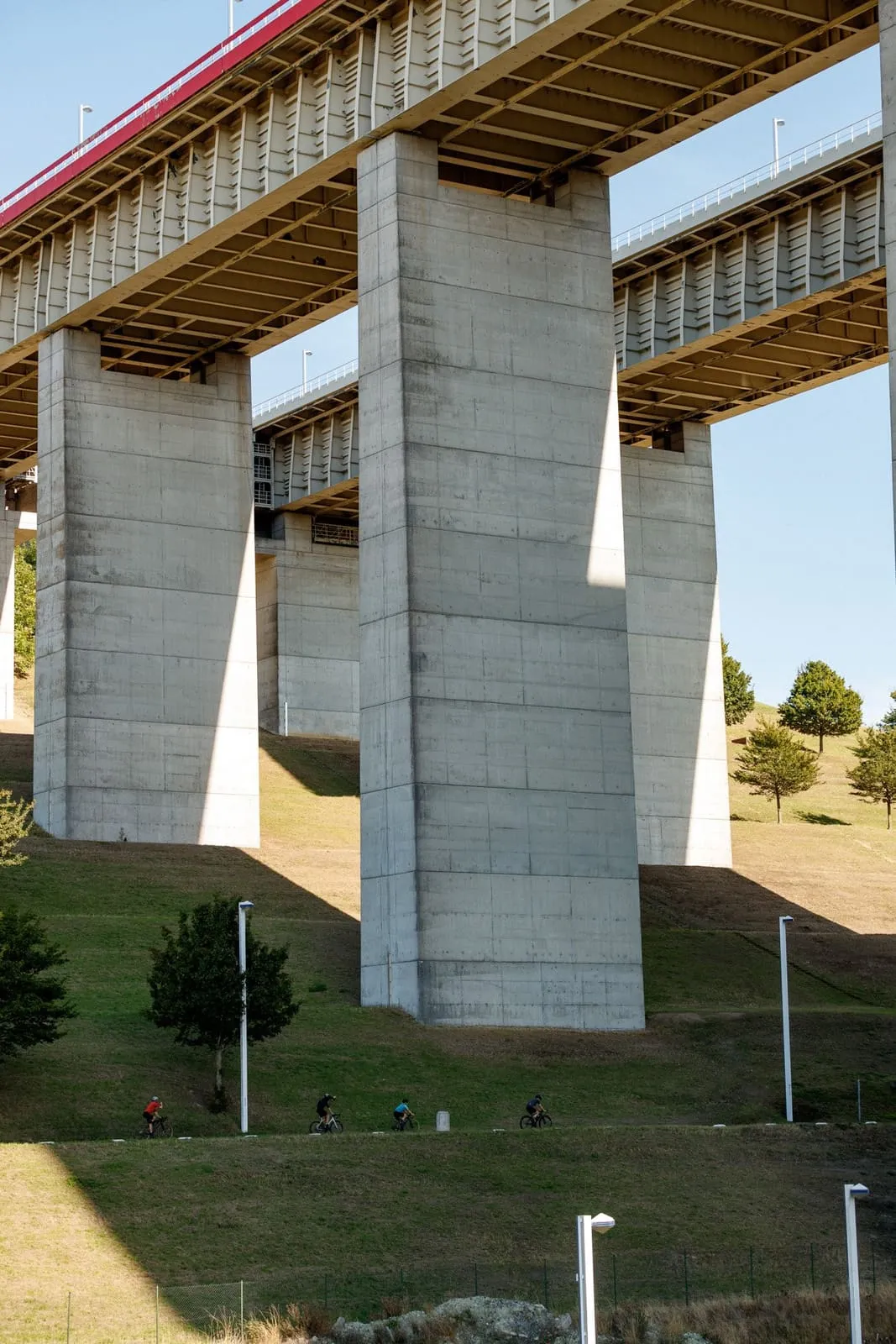
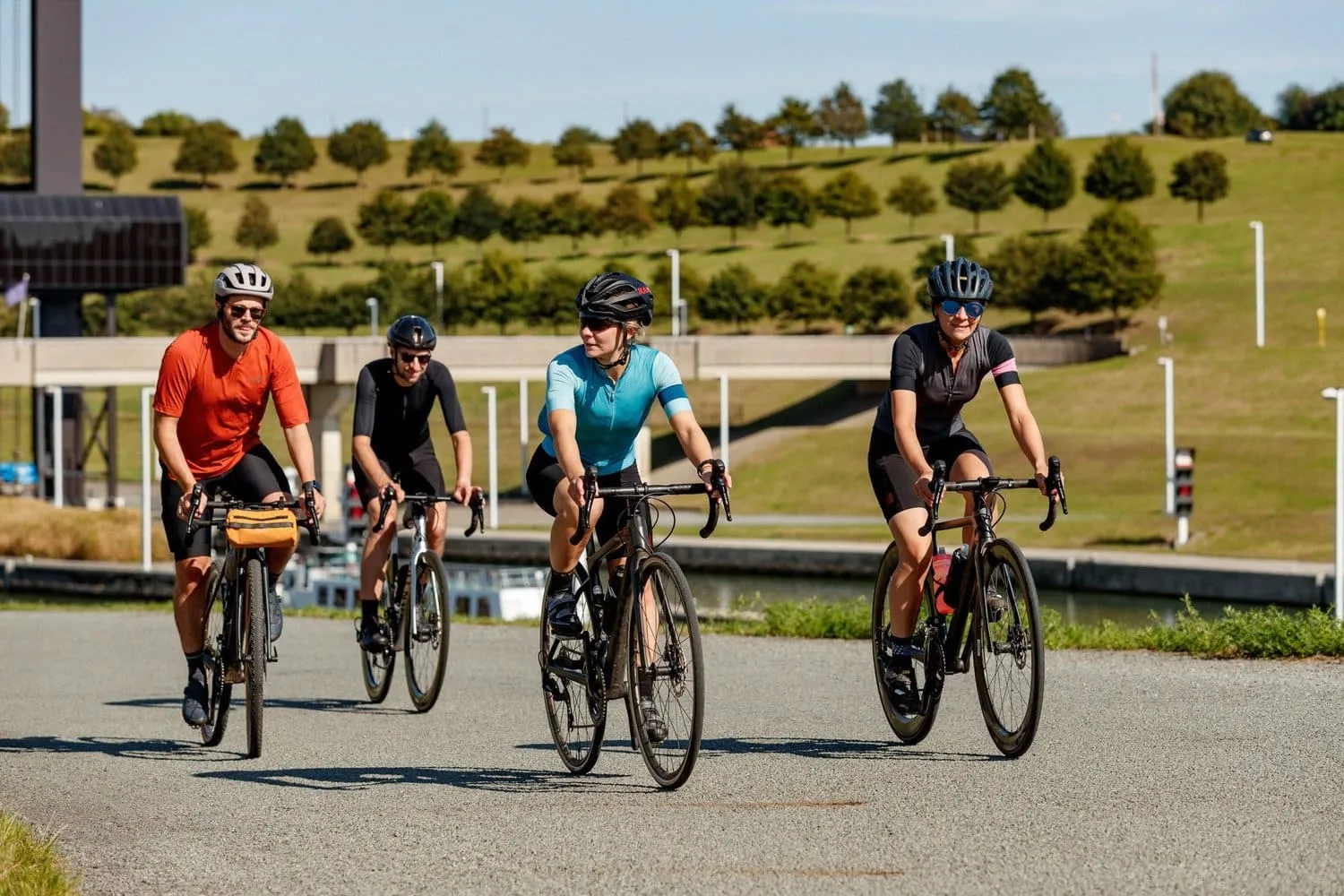
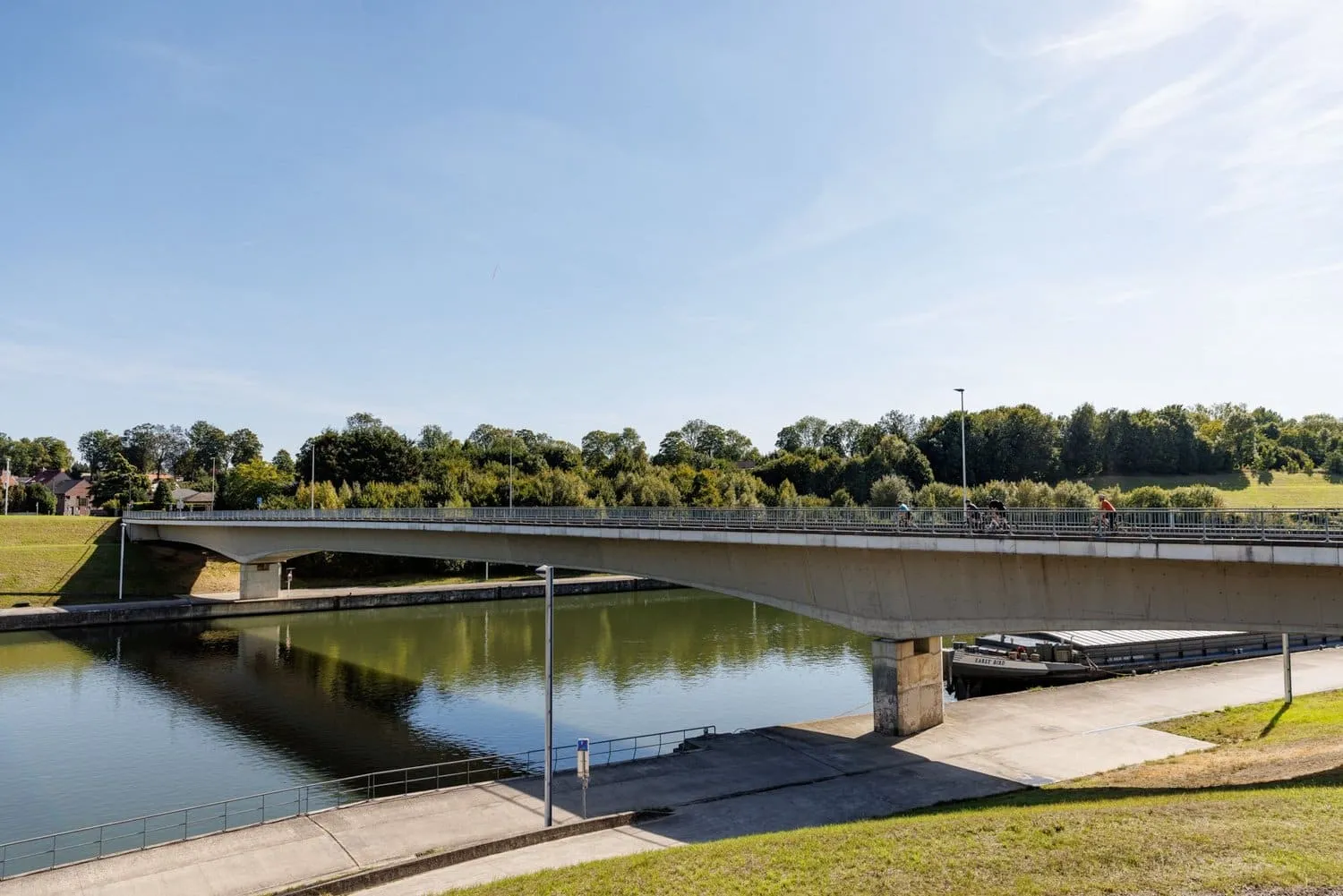
These days the old boat lifts are used for leisure cruises, and a new canal route has been built on which the huge Strépy-Thieu cable boat lift makes the smaller old lifts redundant. This building with its concrete vaults is impressive, and dwarfs the smaller boat lifts of the Canal du Centre in size and scale.
Abbaye de Bonne-Espérance & Château de Fosteau
Not on the Unesco list, but beautiful heritage nonetheless. The Abbaye de Bonne-Espérance is an old Norbertine abbey that has had various functions throughout its history. Today it houses a school, but the buildings sit majestically in the rolling landscape.
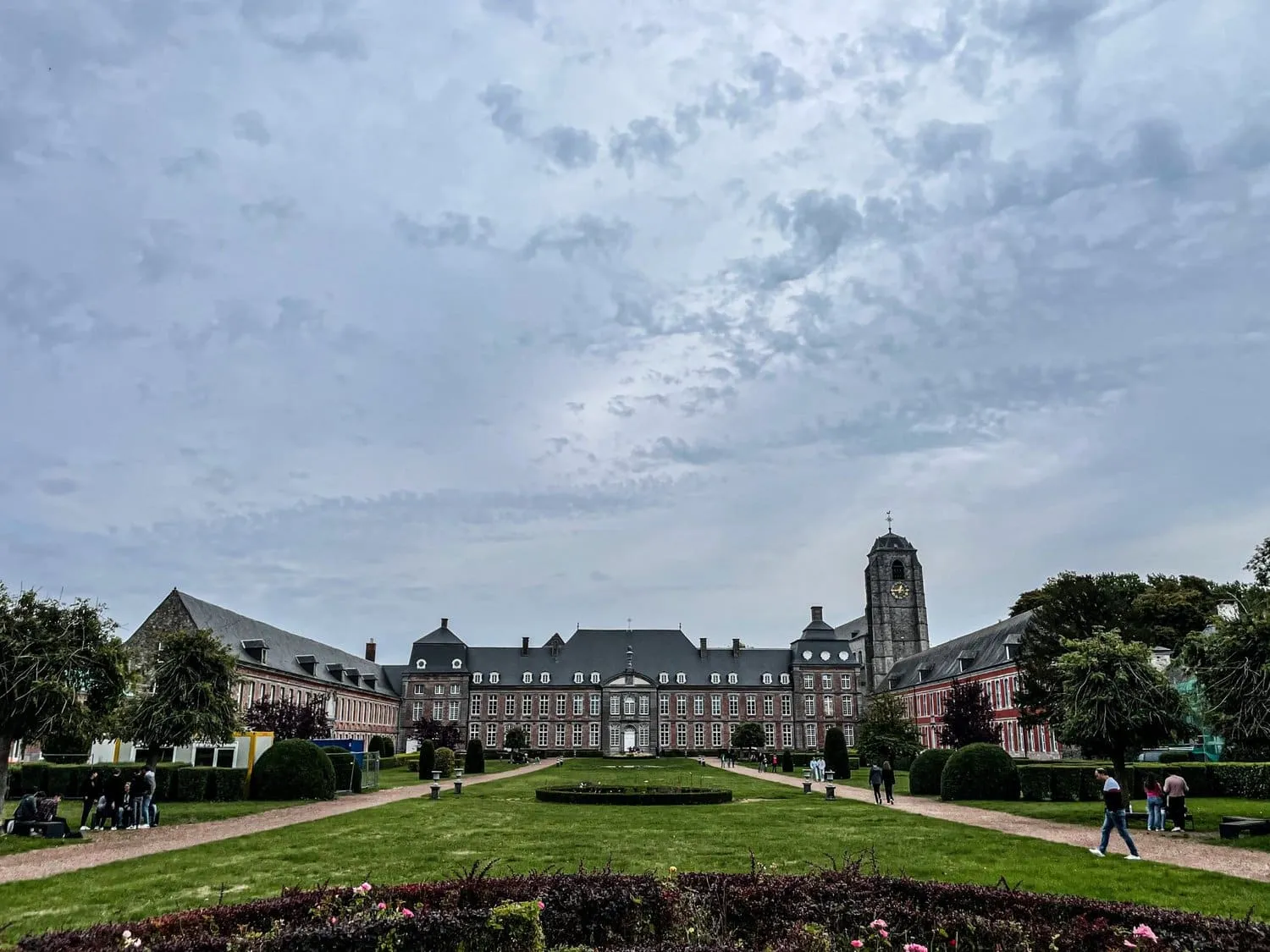 Abbaye de Bonne-Espérance
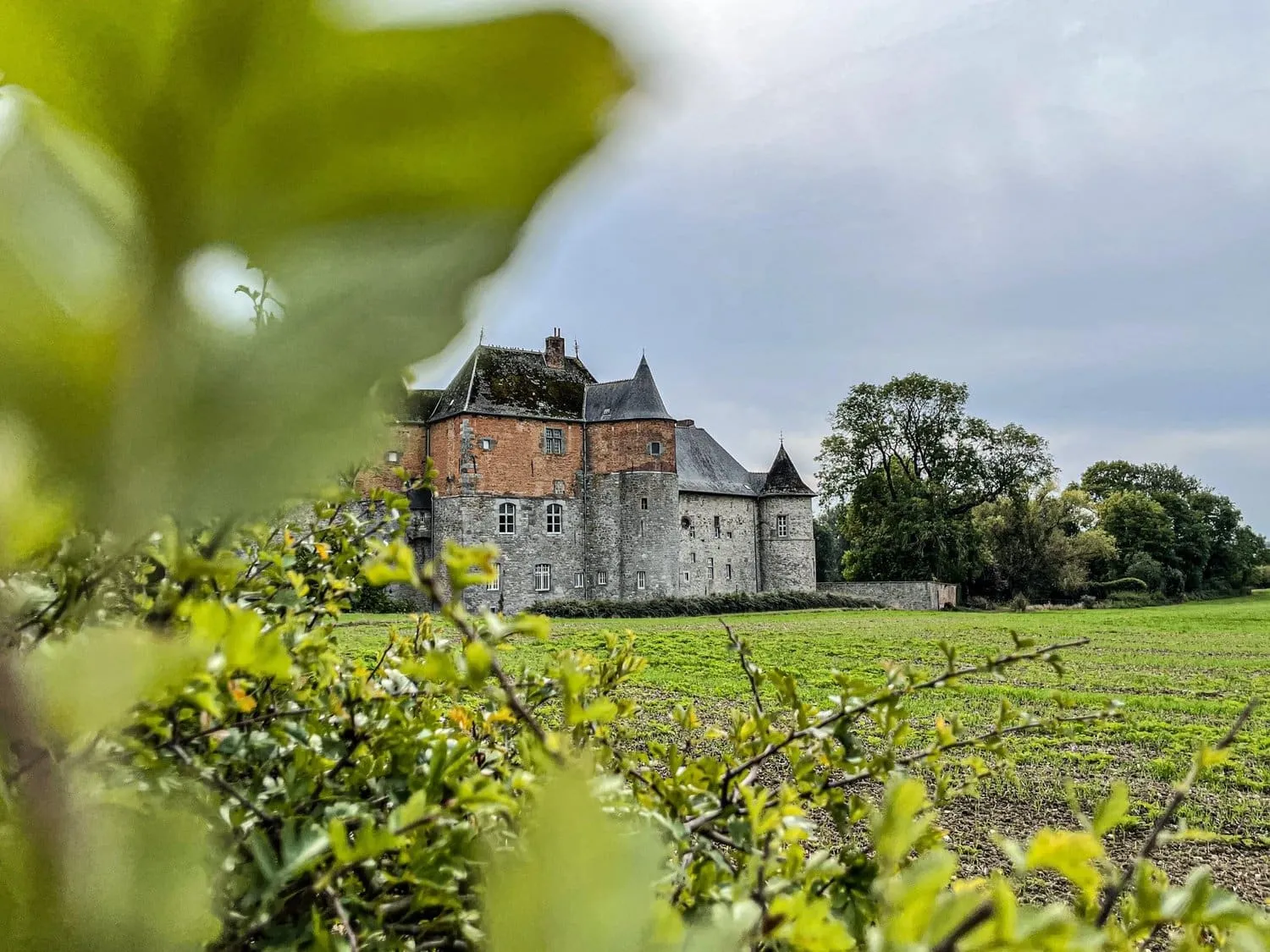
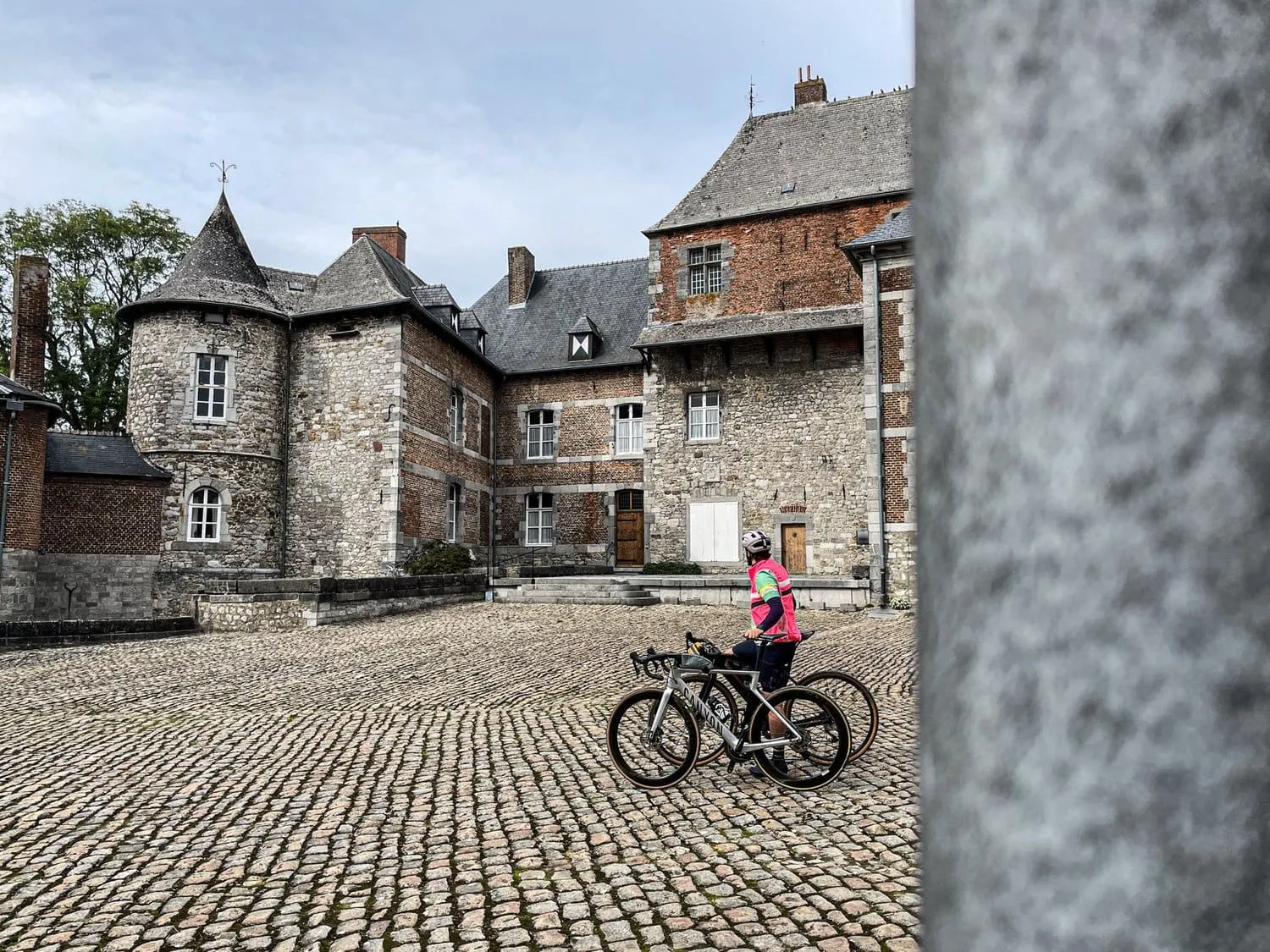
Between Lobbes and Beaumont, in the municipality of Thuin, lies the Château de Fosteau, an imposing 14th-century fortified residence surrounded by a beautiful park. The building, with its 7 towers, includes a fortified house from the late 14th century and a fortified farmyard. Inside is one of the finest Gothic halls in Belgium, the Knights’ Hall.
Arriving in Binche
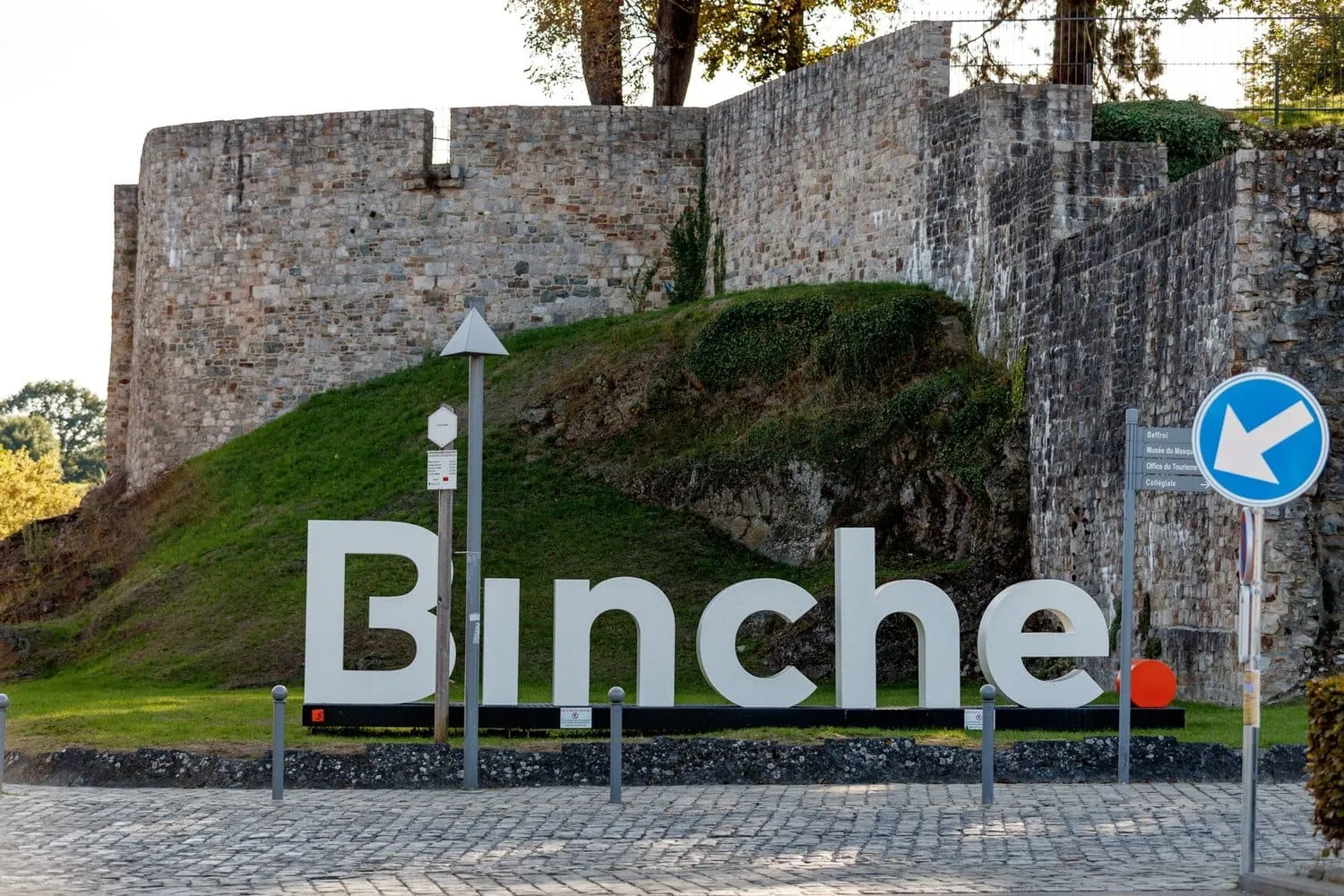
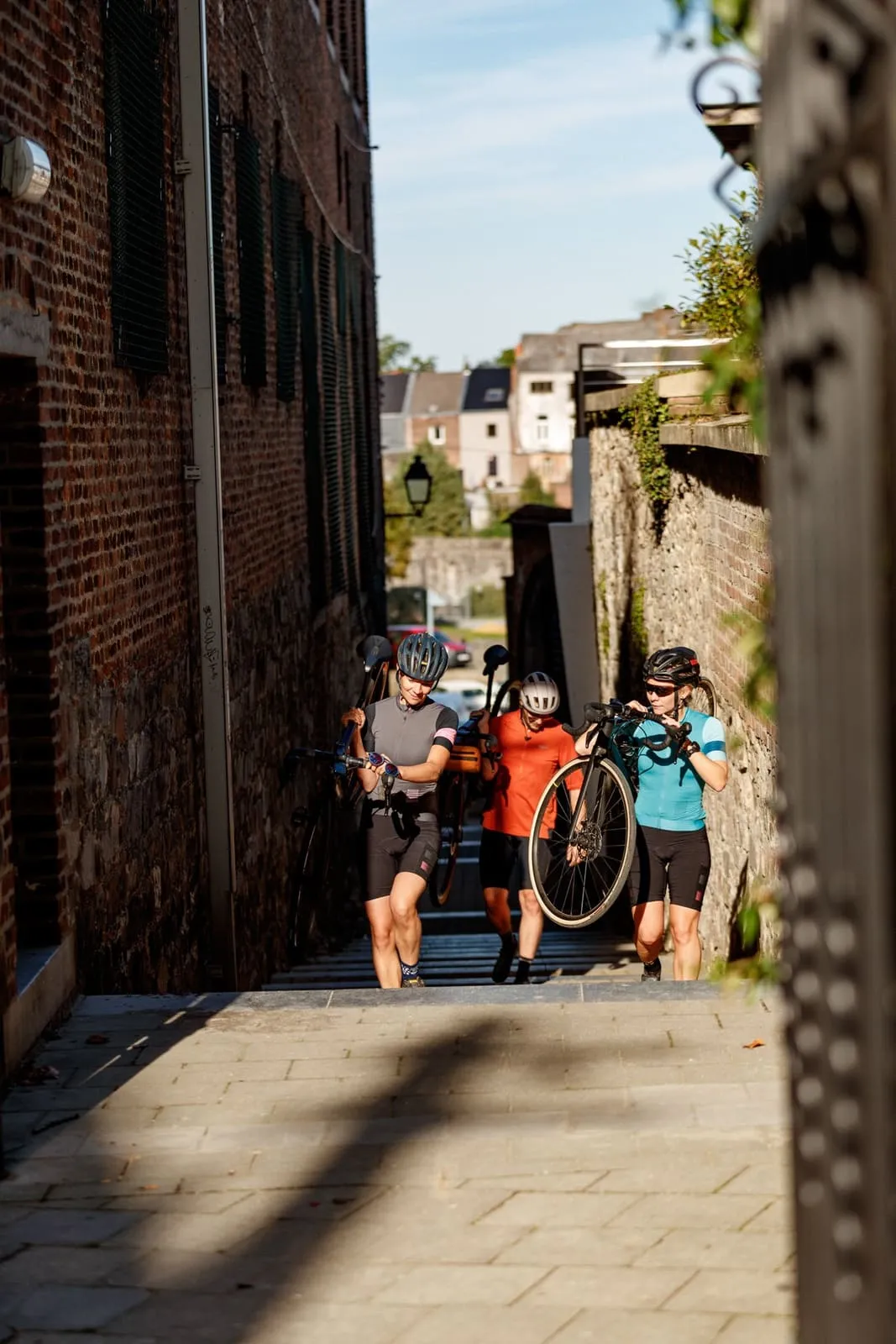
We arrive in Binche, where besides the belfry we also explore the surroundings. The city walls in particular are a jewel of medieval architecture. The walls are reinforced with towers and served as a refuge for monks (from the Abbaye de Bonne-Espérance) in times of war. From Binche we set course for Hotel Orange, where we’ll round off our two days with a good night’s sleep. But first we pass an old mining site.
The Bois-du-Luc mining site
 Bois-du-Luc
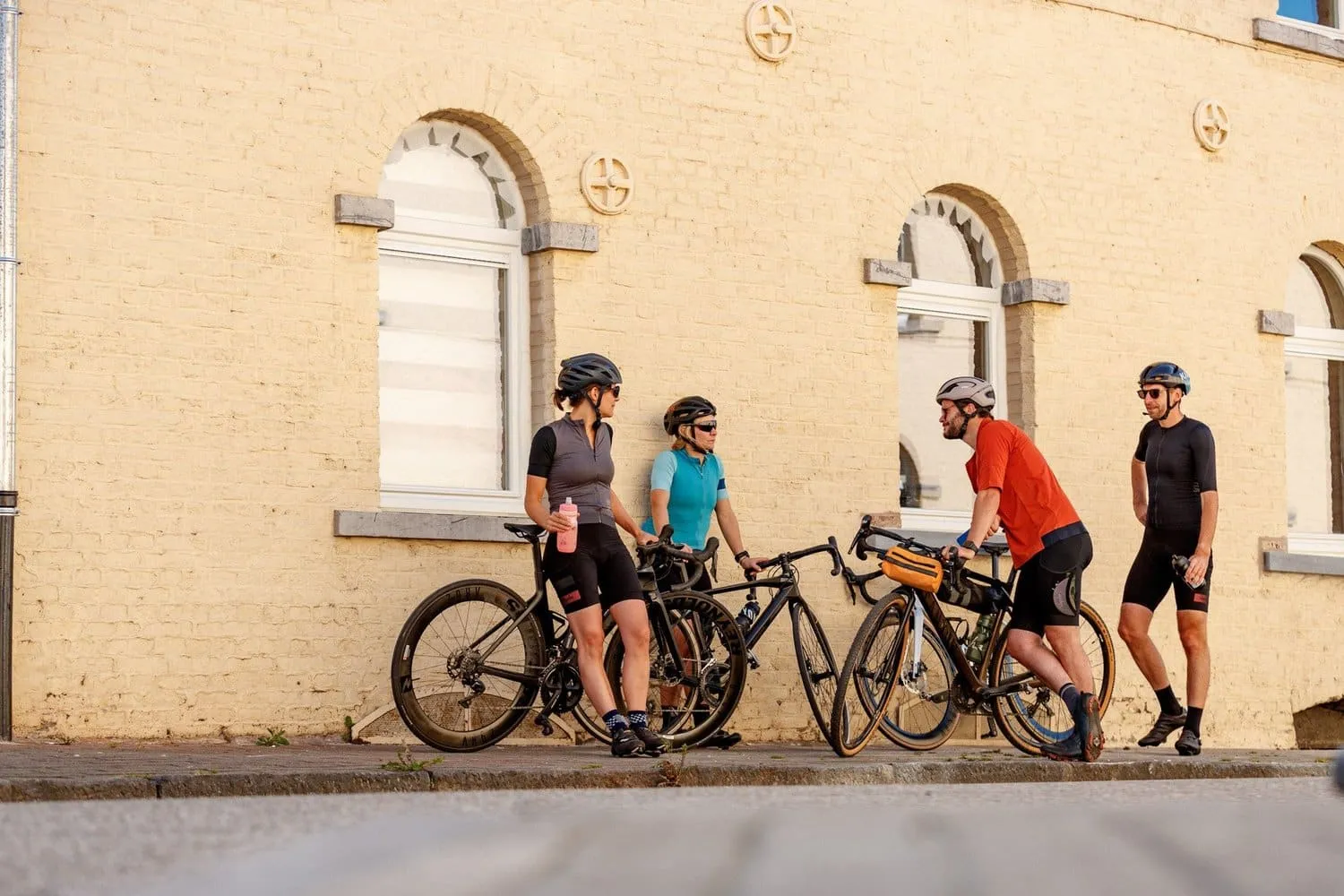
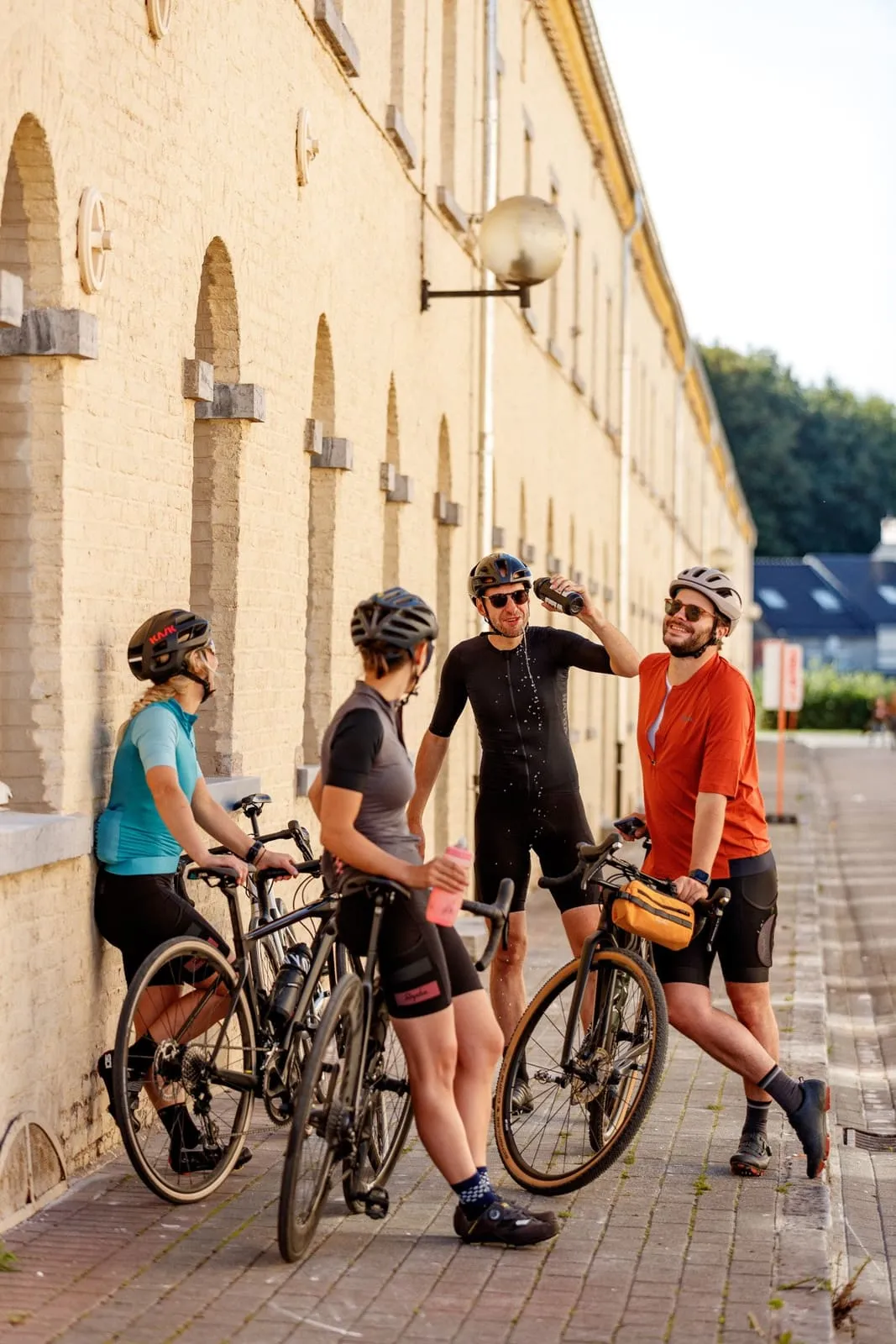
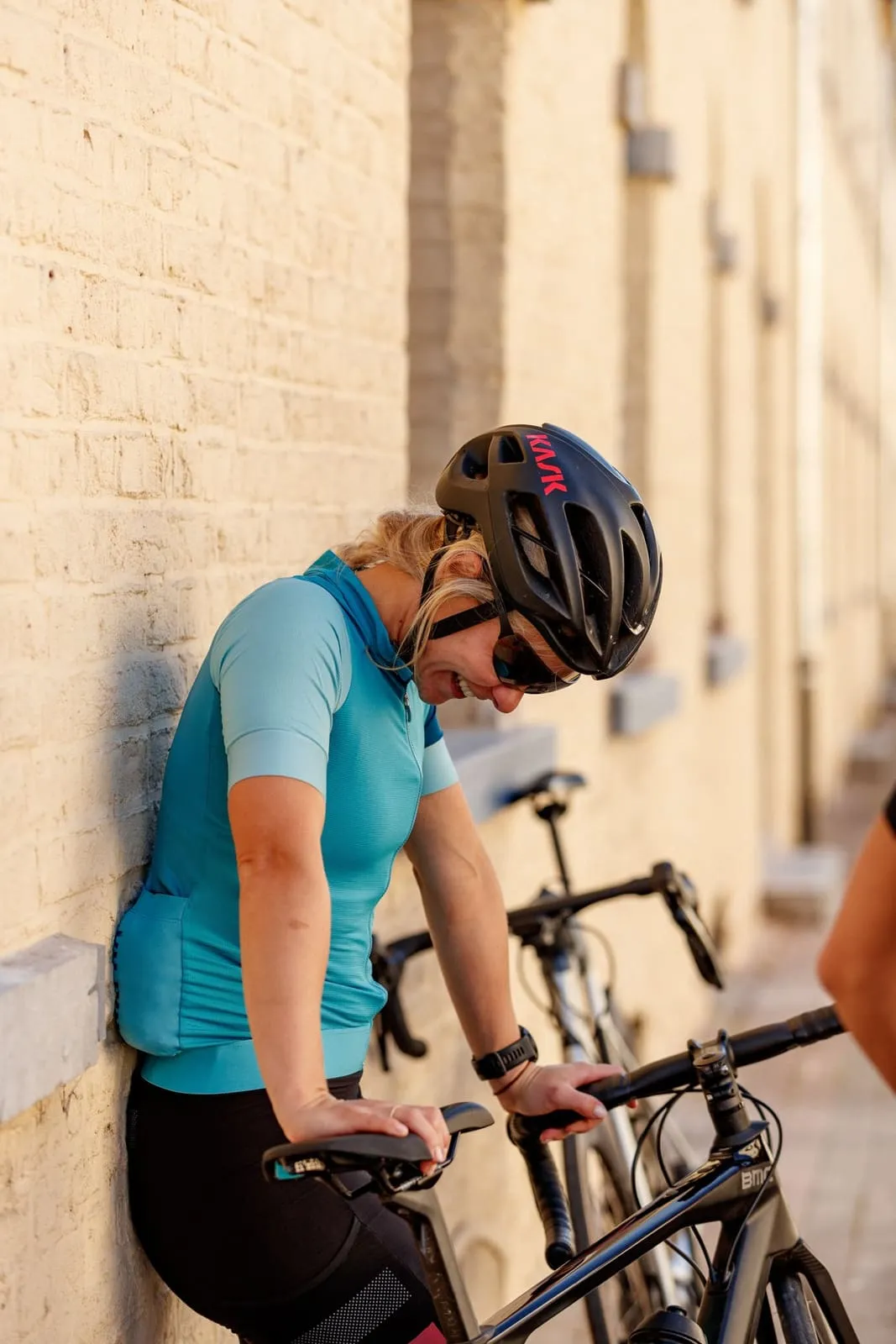
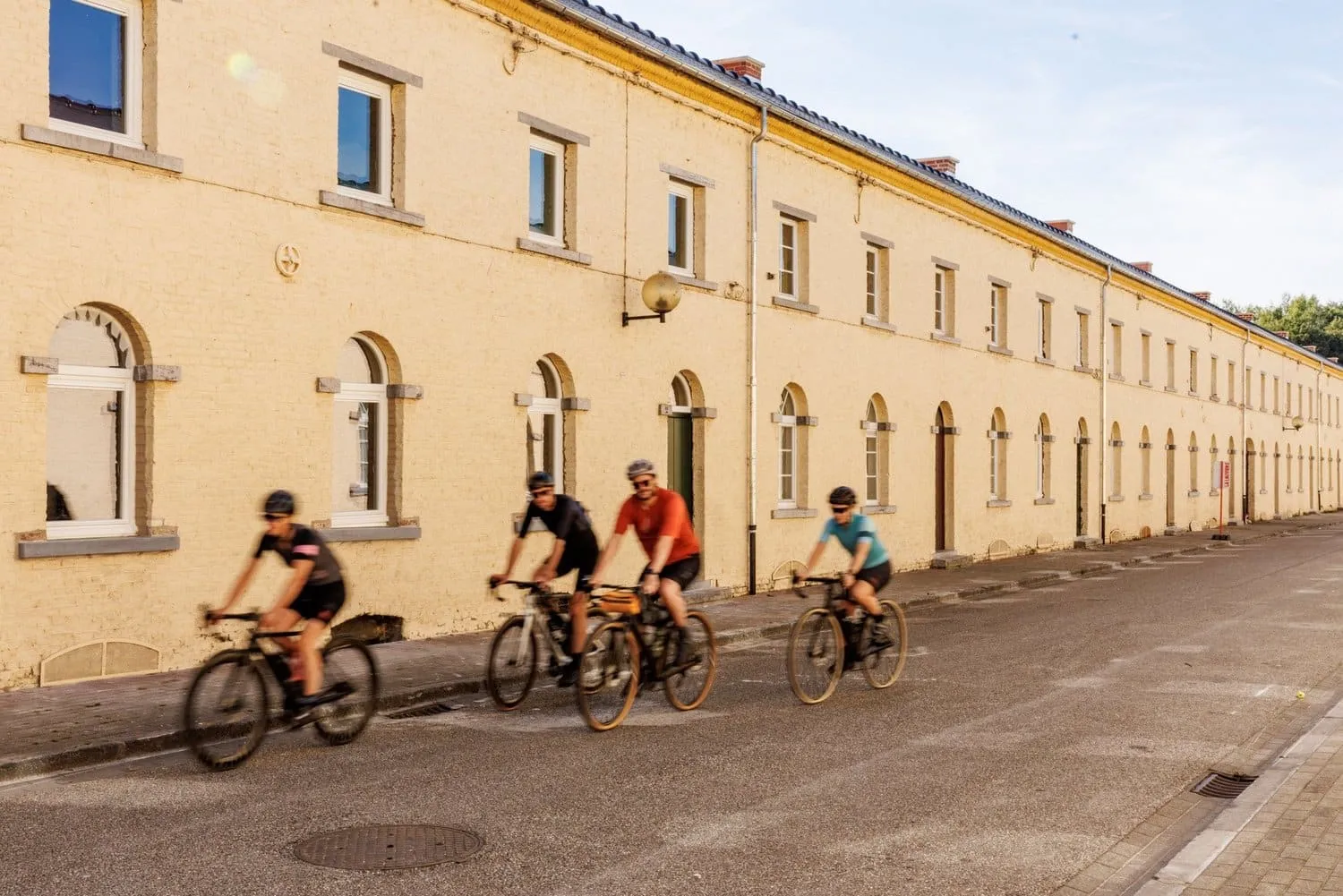
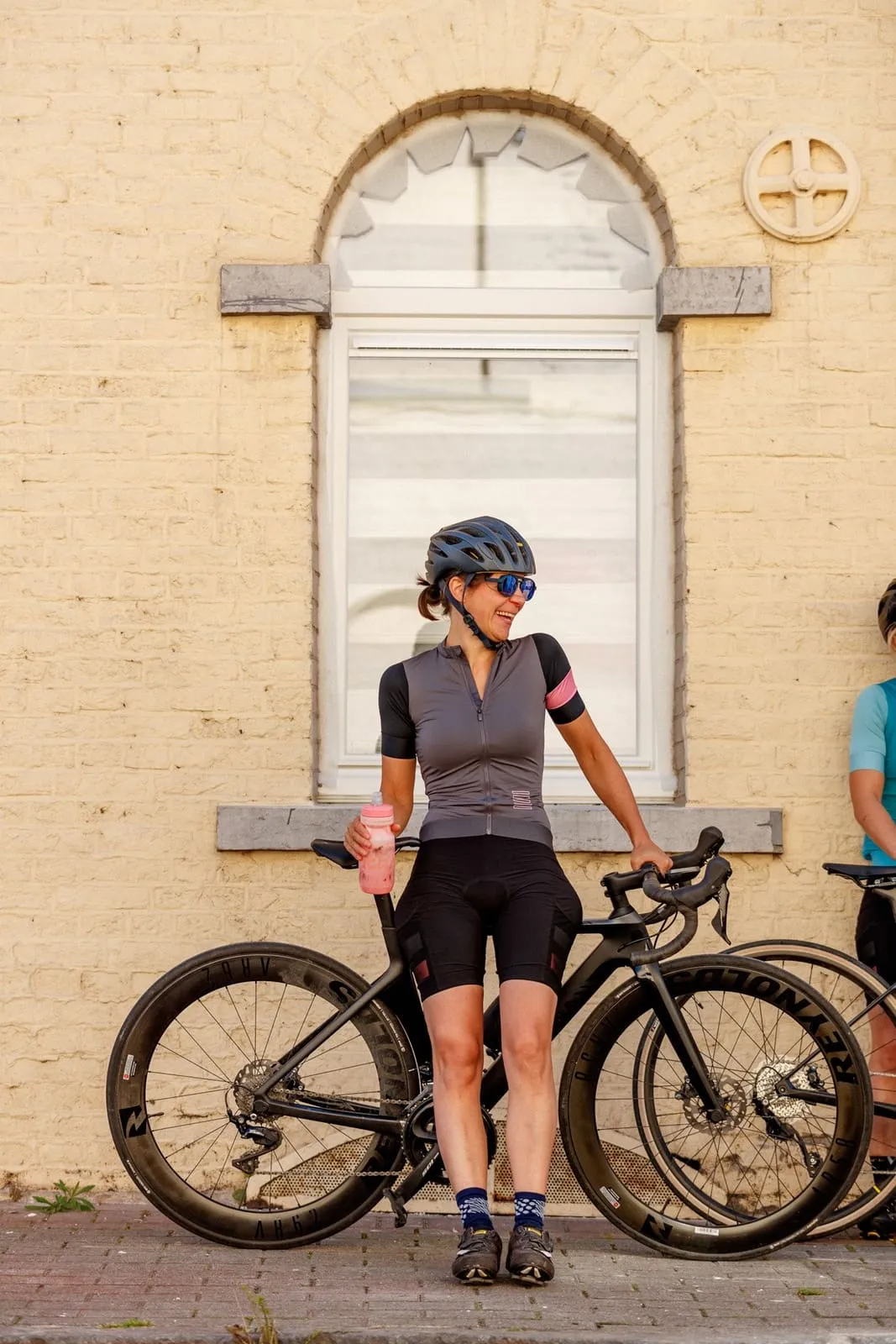
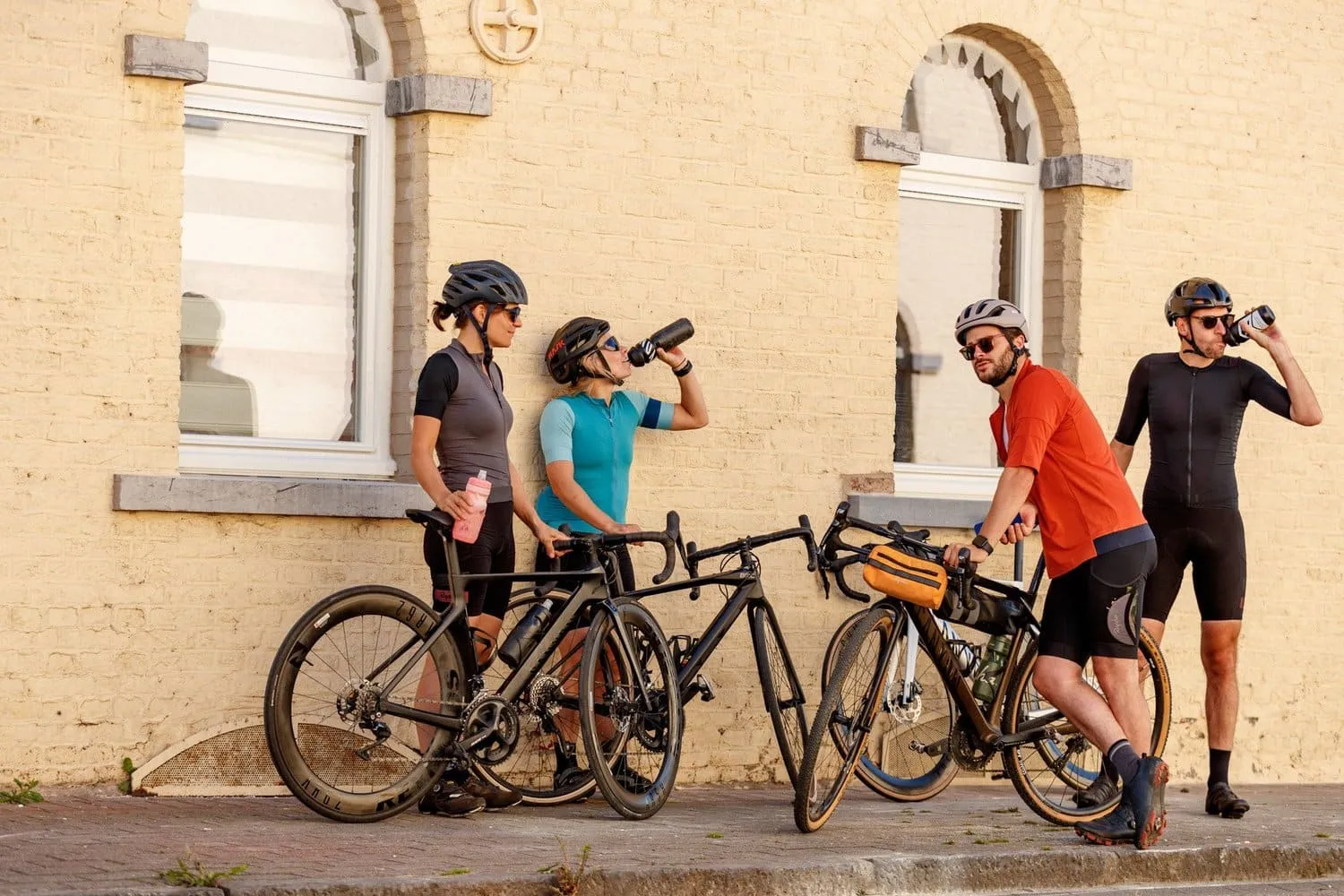
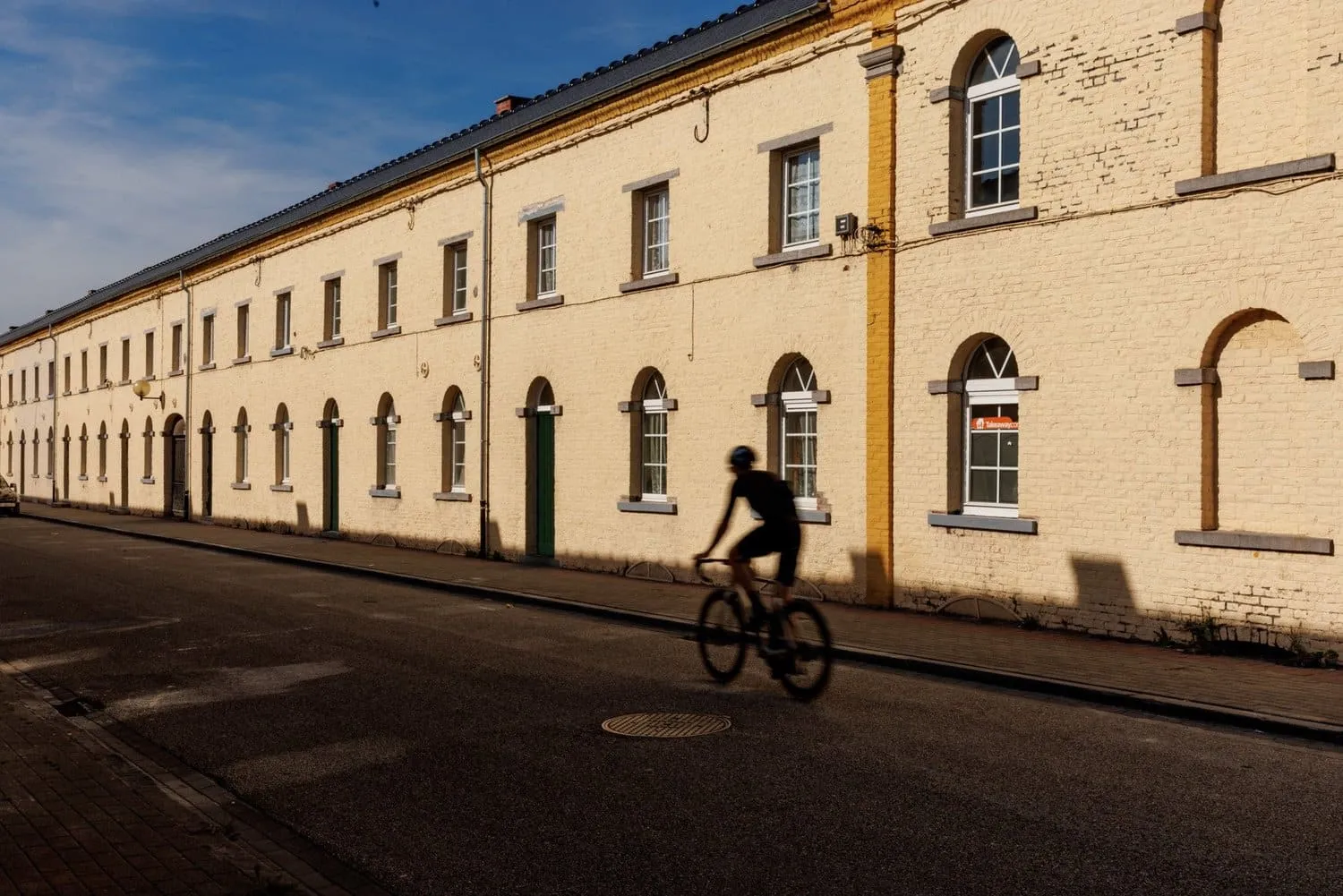
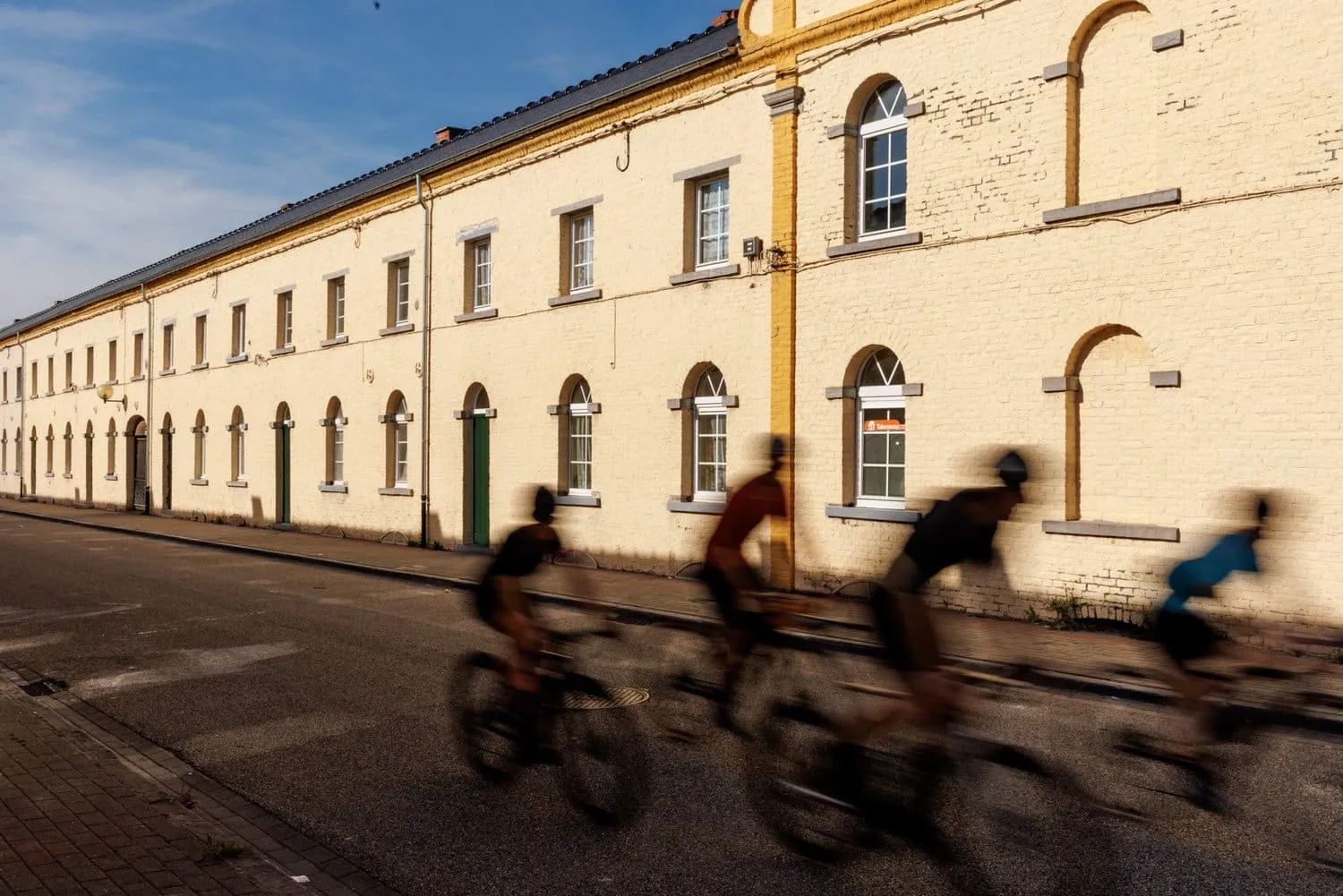
This mining site, a Unesco World Heritage Site, is one of the oldest coal mines in Belgium. Mining stopped in 1973, but the workers’ houses are still lived in, while the old mine itself is home to a museum. Riding through the neighbourhood, you feel like you’re in another country. The yellow façades, combined with a radiant autumn sun, make you feel you’re somewhere much further south than Wallonia. The façades reflect a southern yellow light, and you can feel the whole neighbourhood buzzing with life.
Conclusion
Combining the rolling Hainaut landscape with Unesco World Heritage is well worth it. Pairing cycling with memorable places in the landscape adds an extra storyline that cyclists still too often underestimate. On to more, because Wallonia has plenty more to offer.
Comments
No comments yet. What do you think?