Gear · · 3min read
SILCA Ultimate TPU Tube is the perfect featherweight inner tube
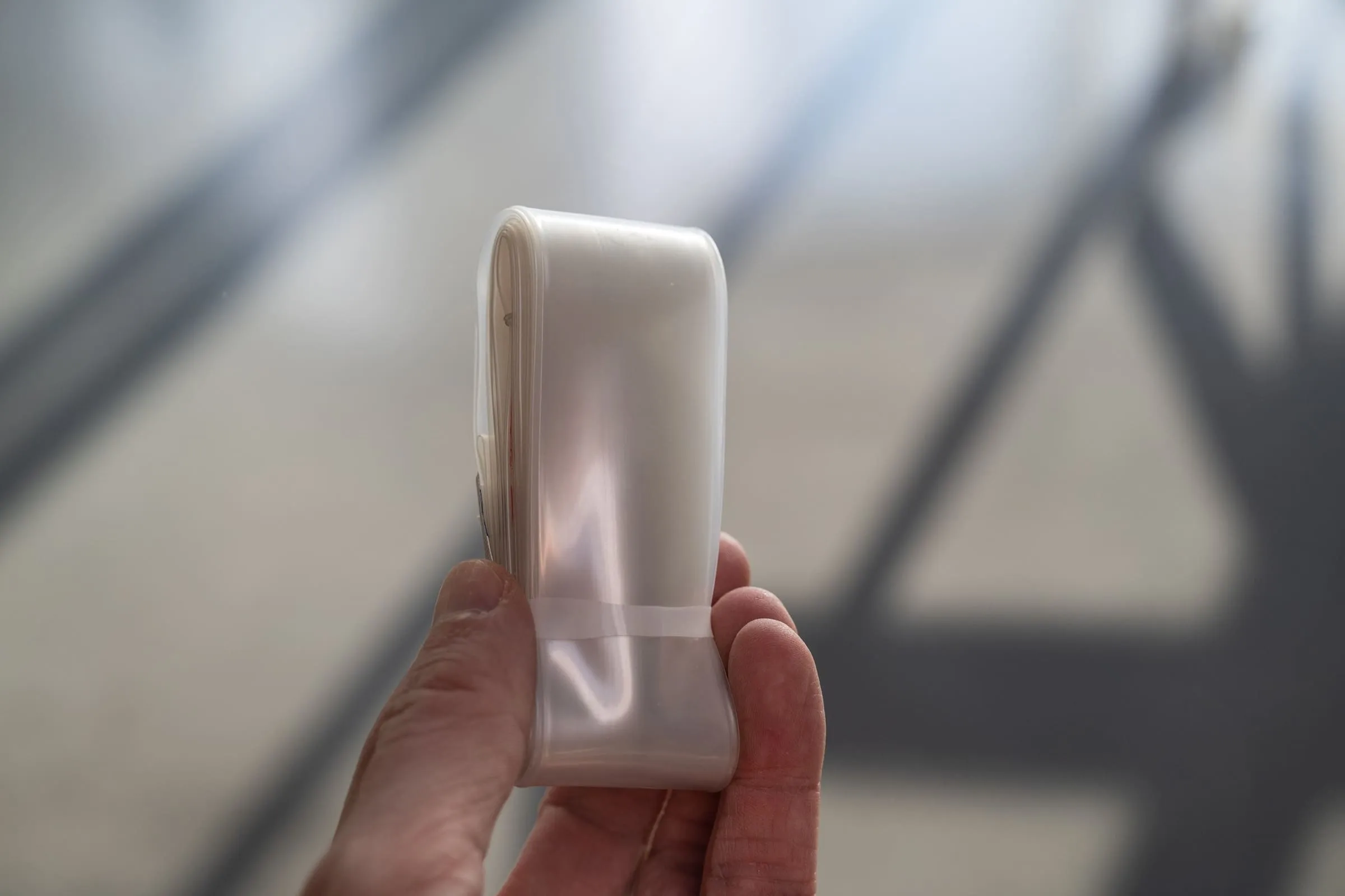
It happens to everyone: a puncture. As seasoned riders who haven’t yet converted to tubeless, we always carry a spare tube. Usually a traditional butyl one. Not any more, though: more compact in the jersey pocket, lighter to carry, stronger and ideal on bikepacking trips, SILCA offers an answer to the traditional inner tube. As a featherweight companion, this looks like the perfect inner tube.
TPU as a material
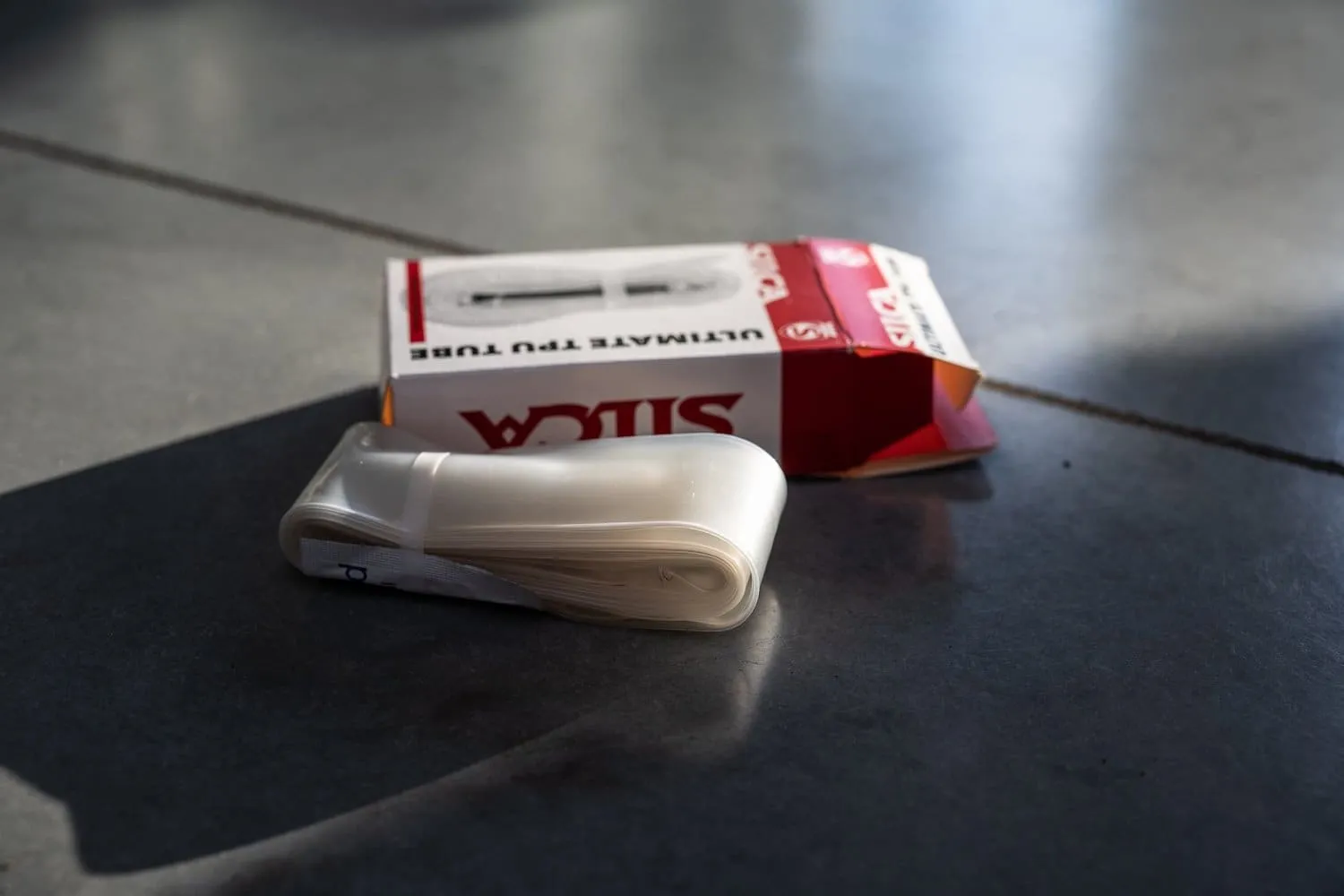
SILCA is bringing its Ultimate TPU Tube to market as an answer to traditional inner tubes. Those have long been a dull affair. Butyl is the standard: cheap, reliable, heavy. Latex is the upgrade racers use — light, with low rolling resistance, but temperamental when it comes to holding air. TPU — thermoplastic polyurethane — is the material brands like Tubolito have used to shake up the market in recent years. Now SILCA is joining in, with a choice of its own: the tube is made without dyes or pigments. Dyes can harm the strength and elasticity of TPU and increase rolling resistance, the brand says. Hence the translucent, milky white colour.
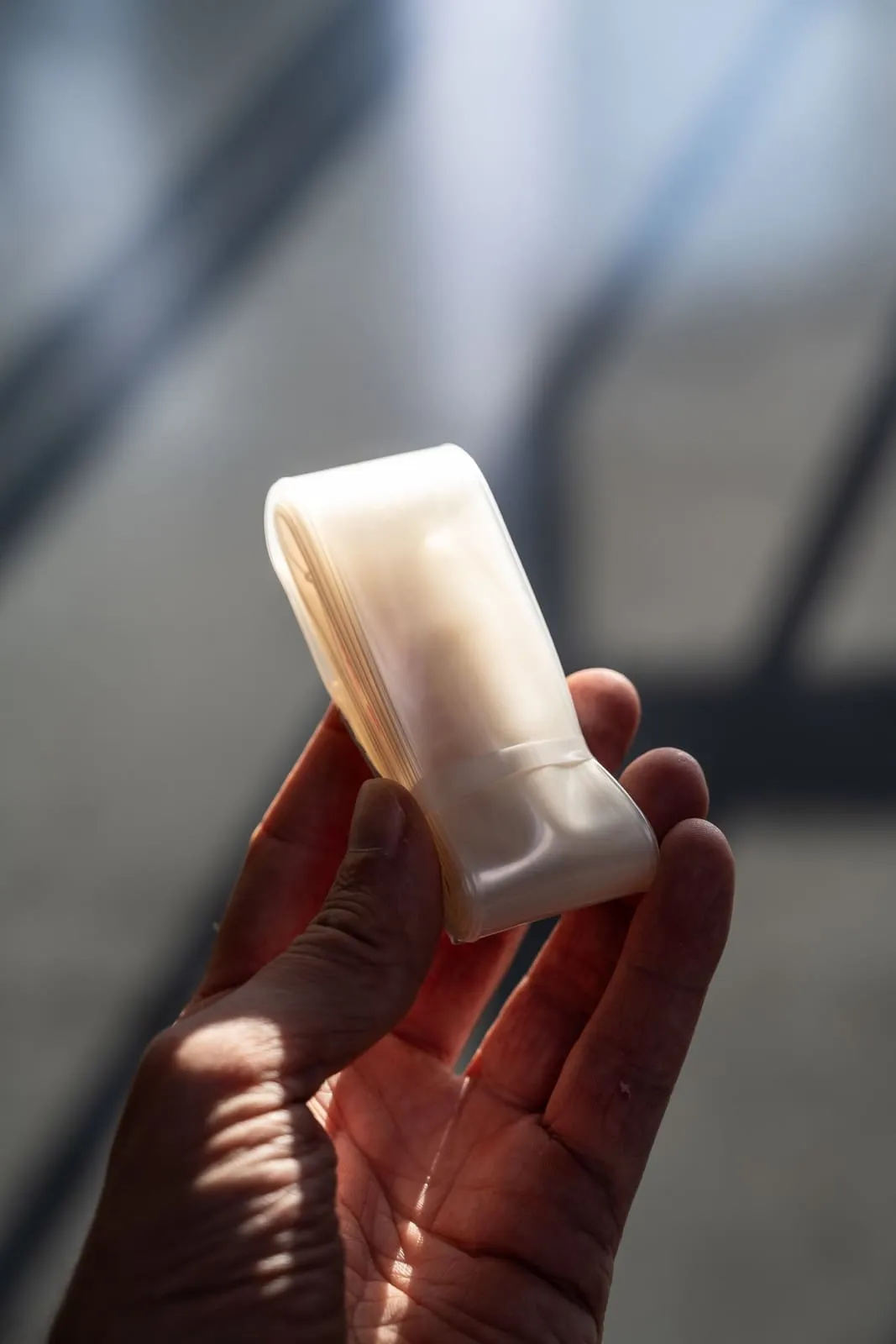
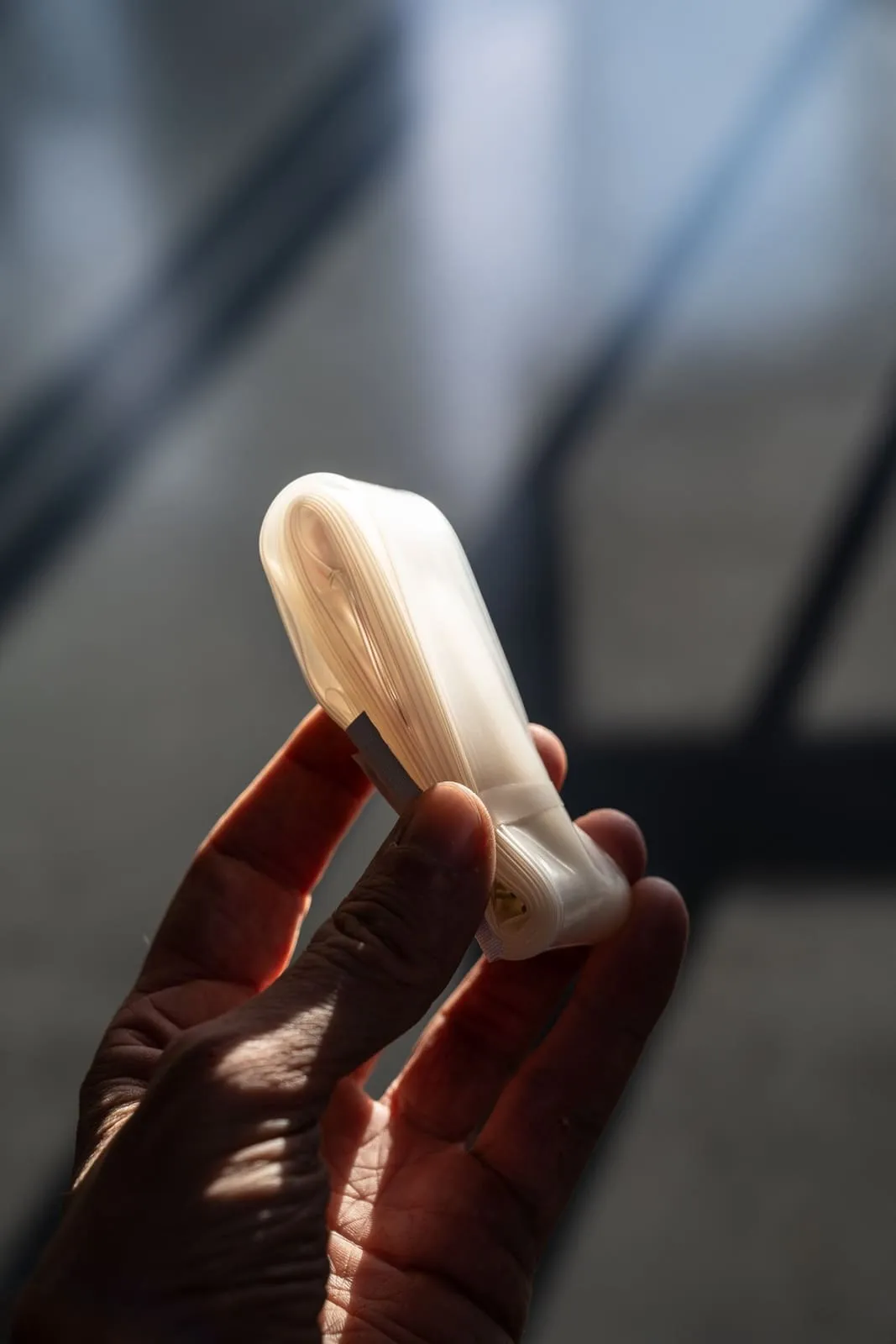
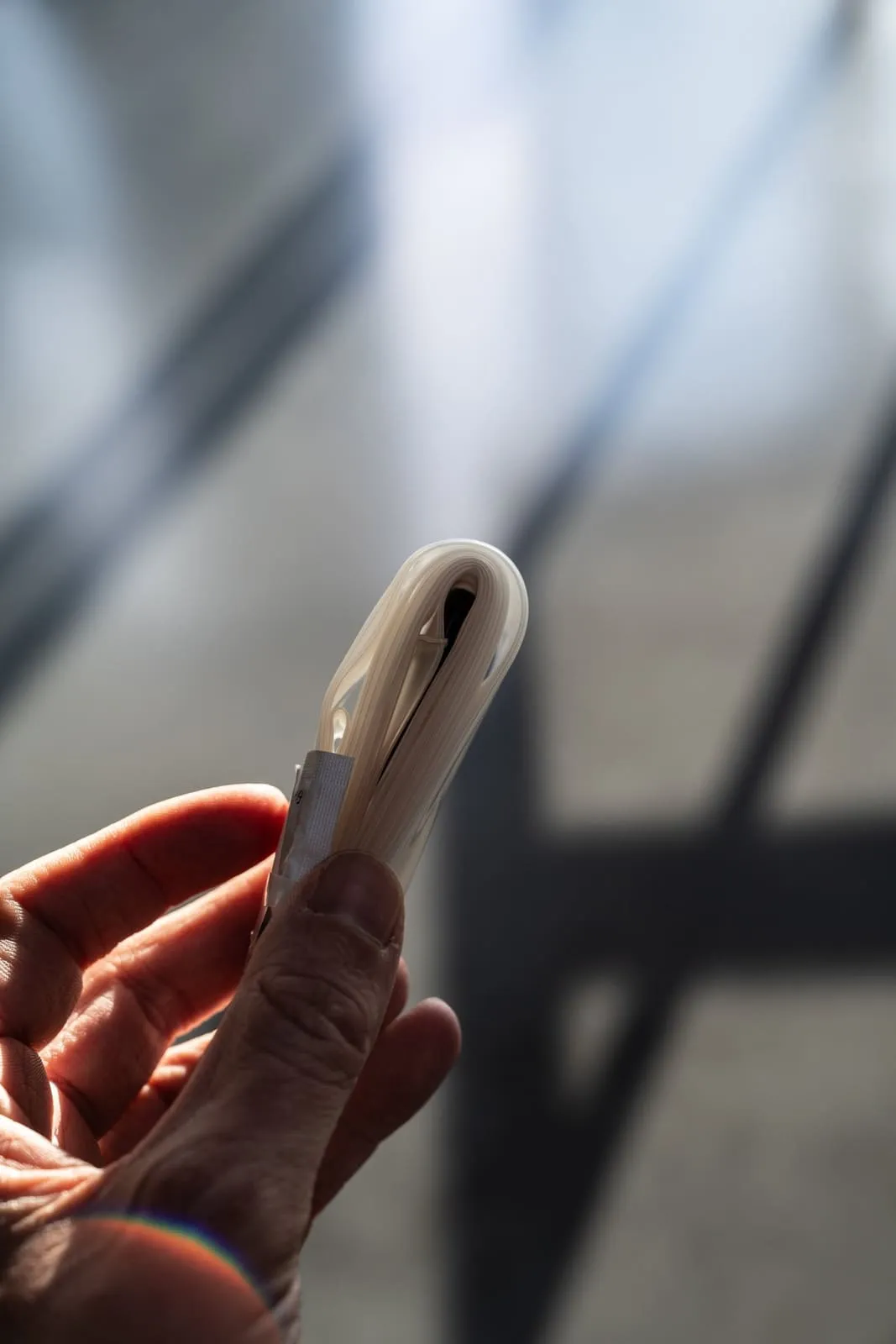
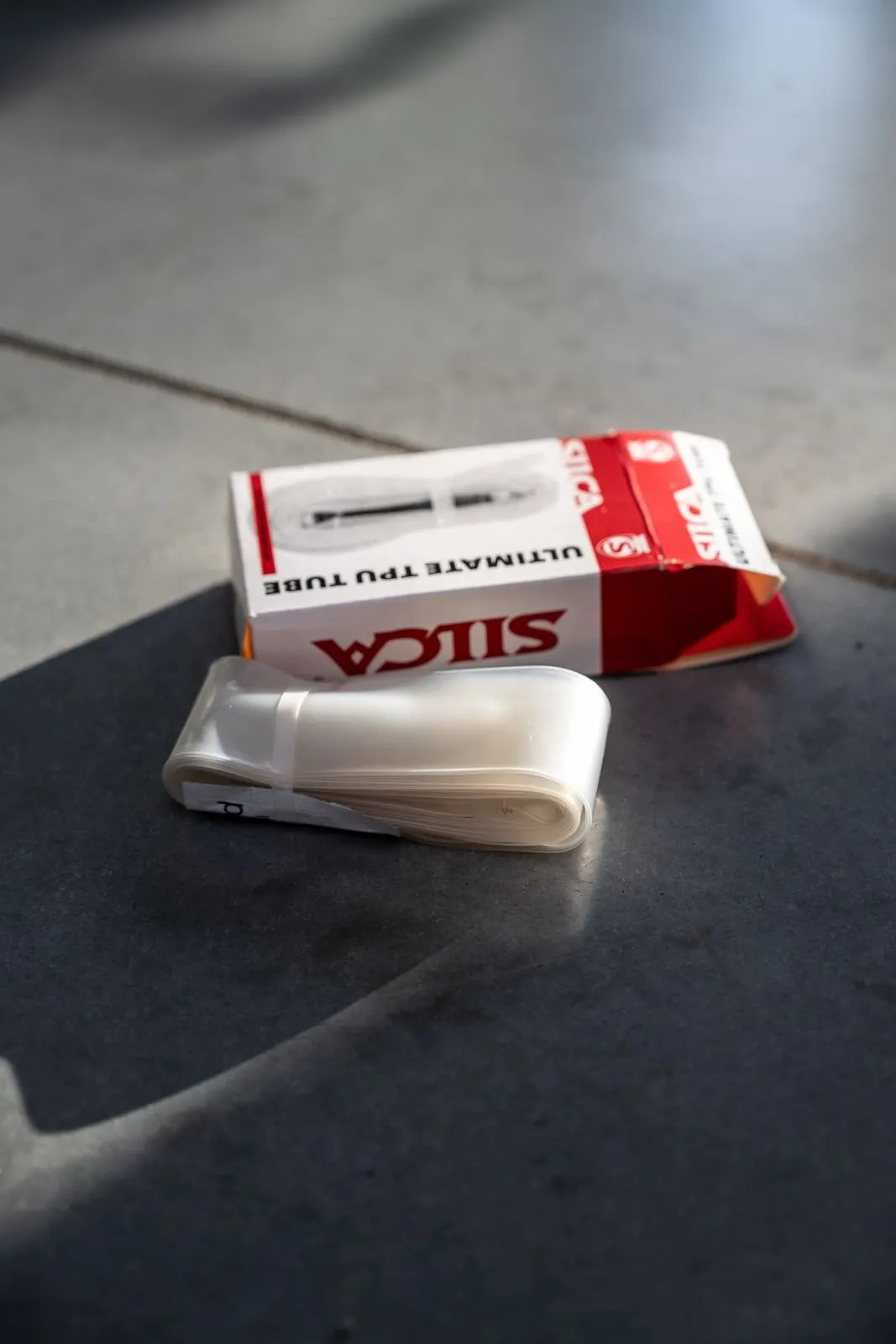
45 grams
The number that sums it all up. A standard butyl tube for 700x35mm weighs about 150 grams. The SILCA Ultimate TPU Tube: 45 grams. Rolled up, it fits in your fist — literally. This little thing really is little. In practice, that means you slip it into a jersey pocket without a second thought, without a bulge, without feeling it. As a butyl rider, it feels almost odd, as if you have left something at home.
The rolling resistance sounds promising
SILCA claims the Ultimate TPU Tube comes within 0.2 watts of a latex tube and rolls 2 to 4 watts faster than butyl. What is certain: TPU as a category has shown in recent years that it sits closer to latex than to butyl. The direction is right. The exact margin is something to come back to later.
A redesigned valve
The weak spot of most TPU inner tubes is where the valve joins the tube. When inflating, friction can cause micro-tears around the valve — the most common cause of TPU tube failure.
SILCA solves this with a patented mechanical bond: the TPU is clamped between two aluminium flanges instead of being glued or welded. The valve itself is all aluminium — no plastic parts — and has a lock nut that stops it moving while you inflate. Removable valve cores and compatibility with extenders are included too, which makes it usable with deep rims.
One extra detail: the tube is designed to withstand the heat generated by modern high-volume pumps. Not an unnecessary luxury if you use an electric pump. Every tube comes with a self-adhesive patch kit and an alcohol wipe. Handy, because in a real emergency you are effectively carrying two spares.
The price
€44.95 per tube is not cheap. A good butyl tube costs a fraction of that. A good latex tube is closer to this price, but heavier and more delicate. The question to ask yourself: how much are the weight and compactness worth to you on longer rides? If you already ride latex, the switch is smaller than it seems. For the rider still lugging a butyl tube around in a saddle bag, this is a sensible upgrade — especially as a spare.
Conclusion
The SILCA Ultimate TPU Tube is first and foremost a spare you always have with you, no excuses. It sits on your back or in your saddle bag as light as a butterfly. The compactness is the strongest argument. The valve system is well thought out and tackles a real problem. Sizes are available for road (24–43 mm, with 50 and 70 mm valves) and off-road (44–64 mm, 50 mm valve). The tube works with both rim and disc brakes. Only the price might give you pause, though you do get lower rolling resistance in return.
Comments
No comments yet. What do you think?